Purple Things Coloring Pages for Kids — Learn the Color Purple
For most of human history, purple was literally illegal to wear — it took over 250,000 sea snails to produce a single ounce of dye, making it worth more than gold, and Roman emperors passed laws reserving it exclusively for themselves. That history is why purple still carries a sense of something special, and it's exactly the kind of story worth telling while your child learns to name the color. These free printable purple things coloring pages give children aged 2–6 eight familiar objects to color — grapes, a balloon, a butterfly, lavender, eggplant, a red onion, an amethyst crystal, and a purple sweet potato.
More Coloring Pages For Learning Colors
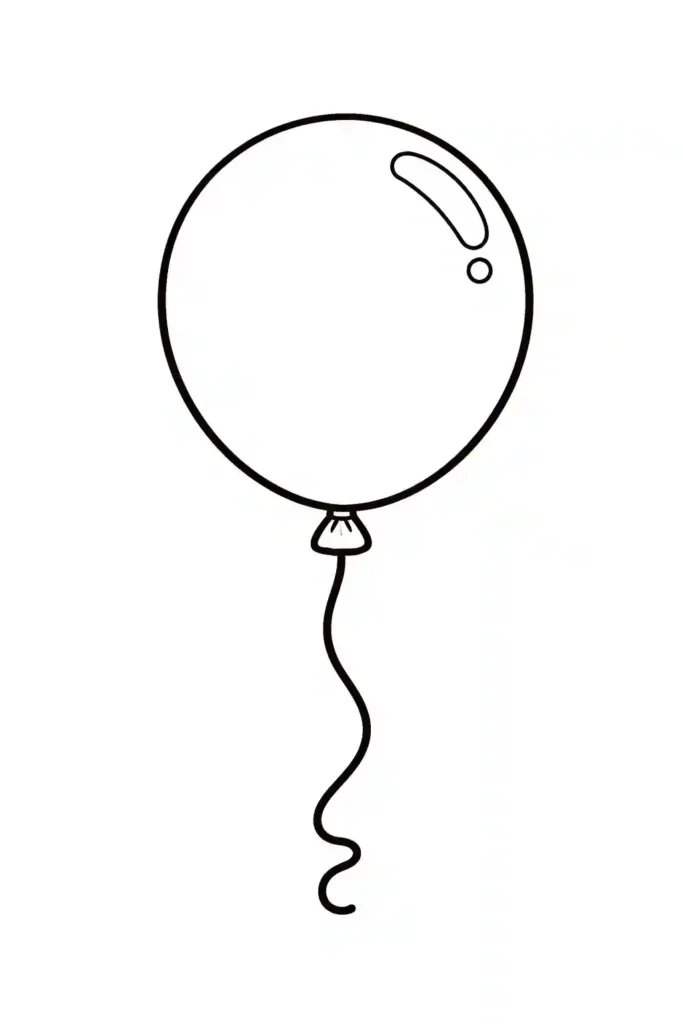
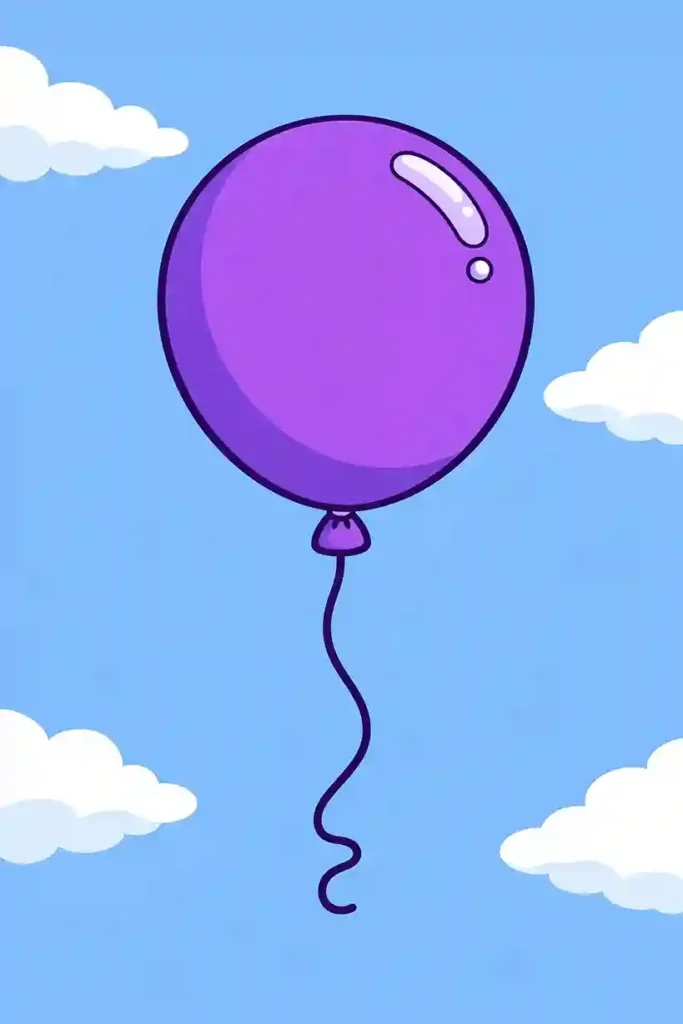
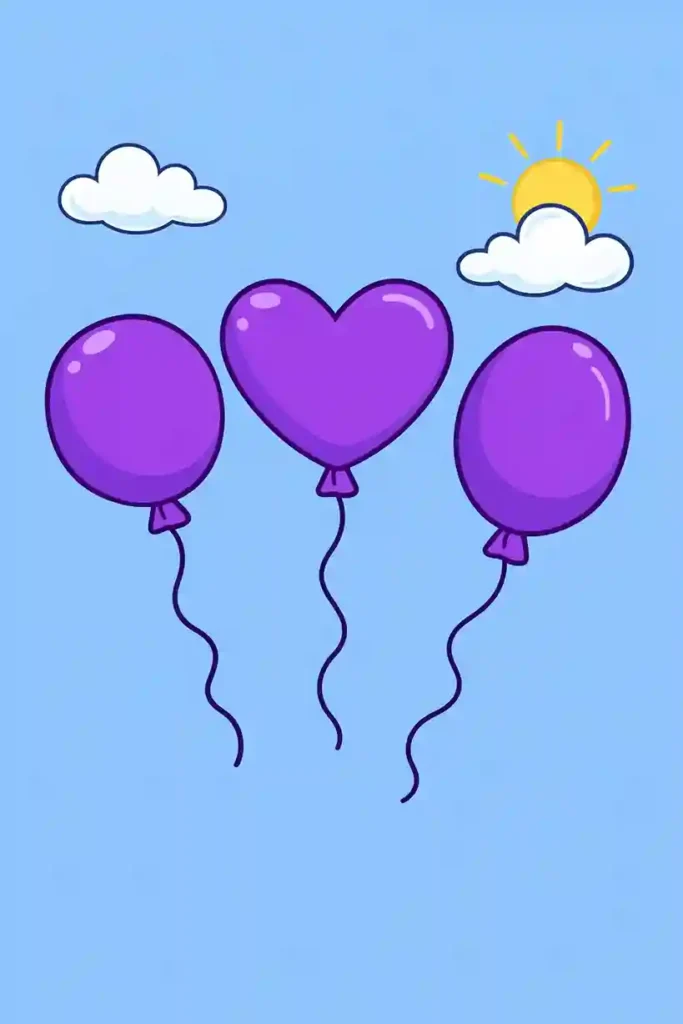
Purple Balloons
Balloons are purple because of synthetic dyes invented in 1856 — by an 18-year-old chemistry student who was actually trying to make a malaria treatment and produced brilliant purple by accident. Before that discovery, a purple balloon would have cost more than most people earned in a year, so the one at your child’s last birthday party has a genuinely royal history.
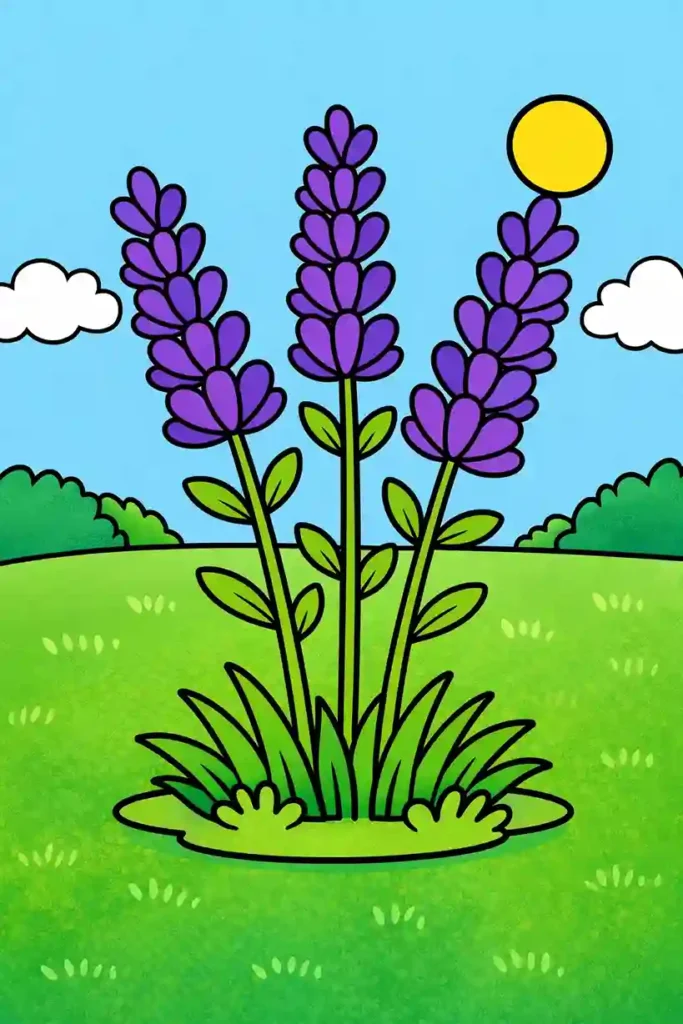
Purple Lavender
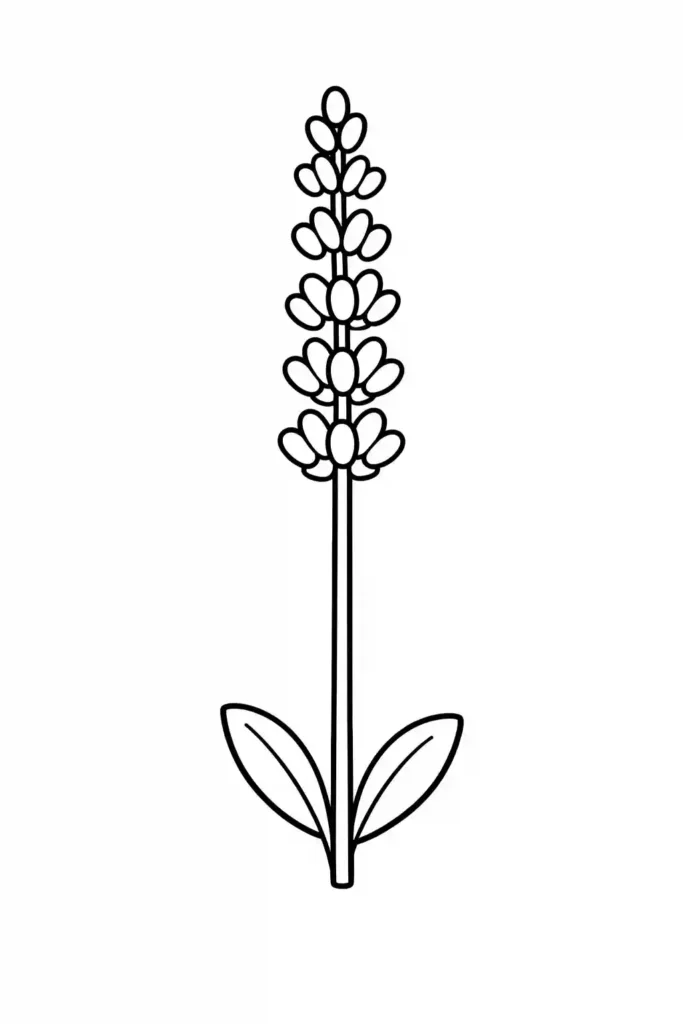
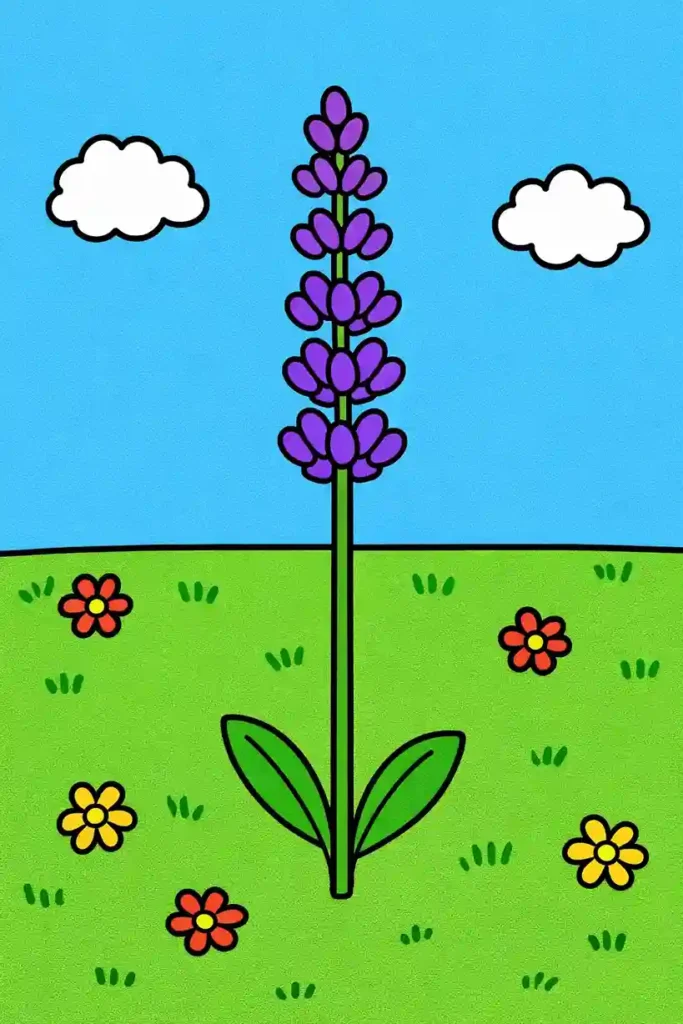
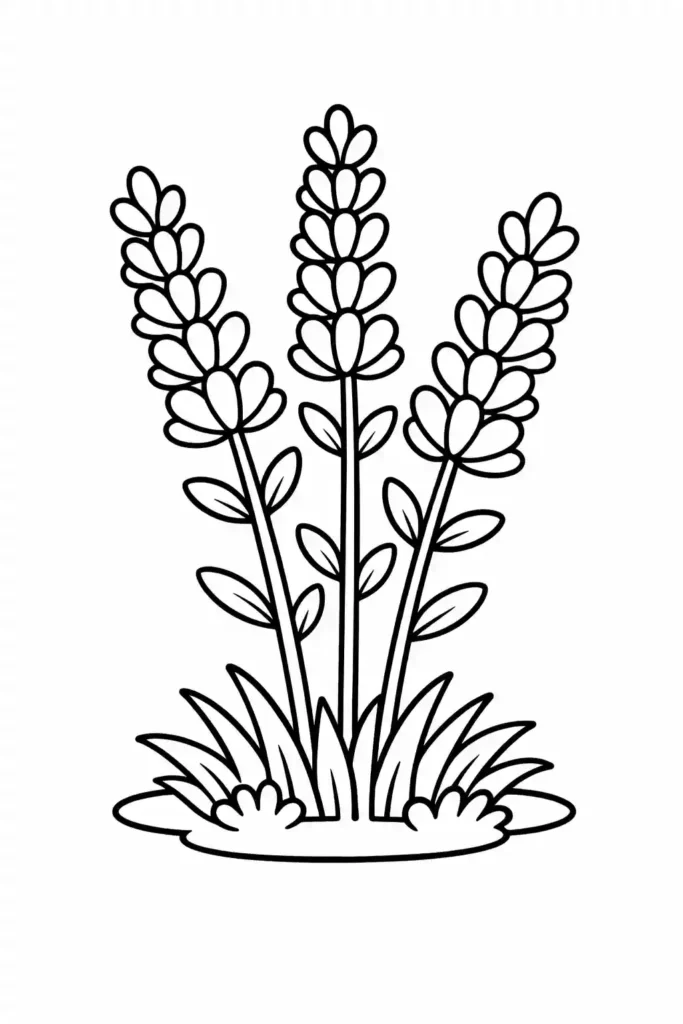
The scent of lavender and its purple color are made by completely different parts of the plant — the color comes from anthocyanins in the tiny flowers, while the fragrance comes from a separate chemical called linalool stored in microscopic glands on the surface. Bees, which can see into the ultraviolet range, perceive lavender as even more vivid and glowing than we do.
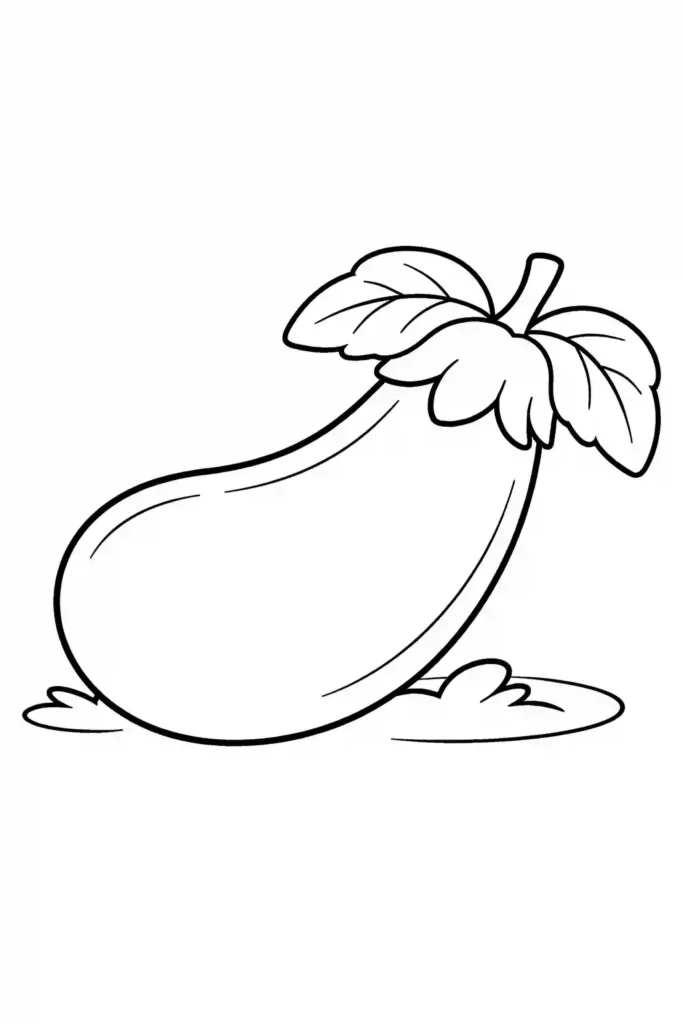
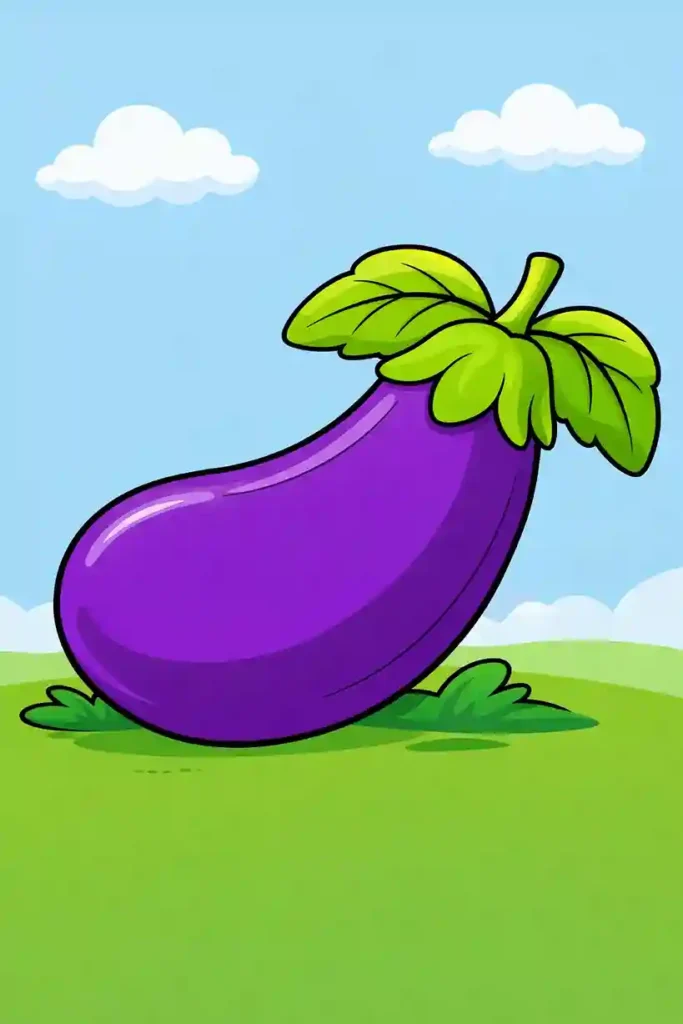
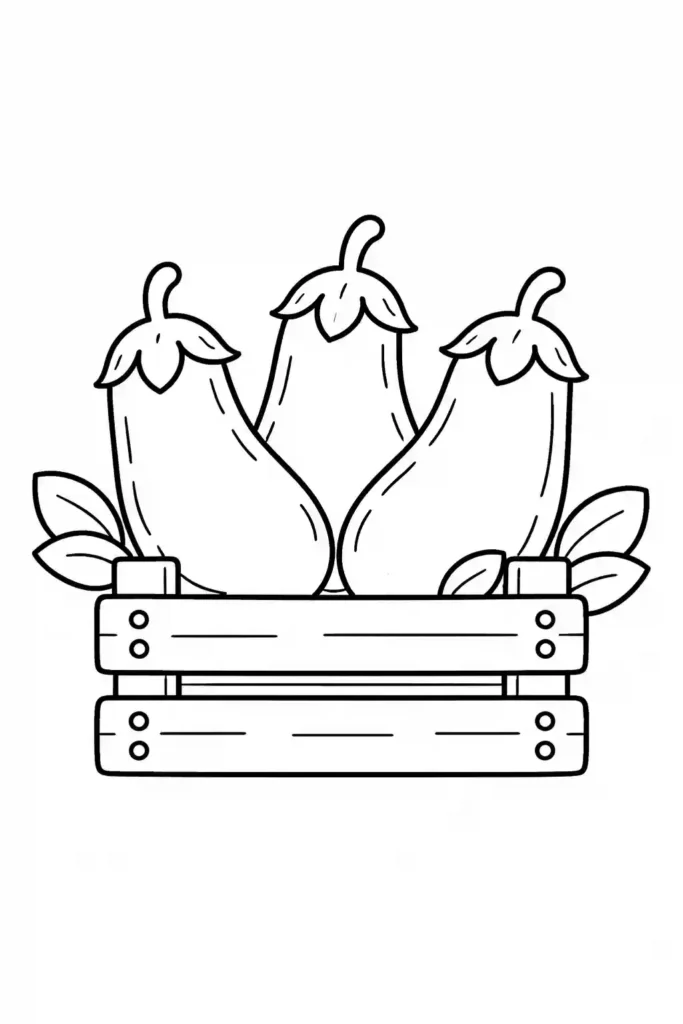
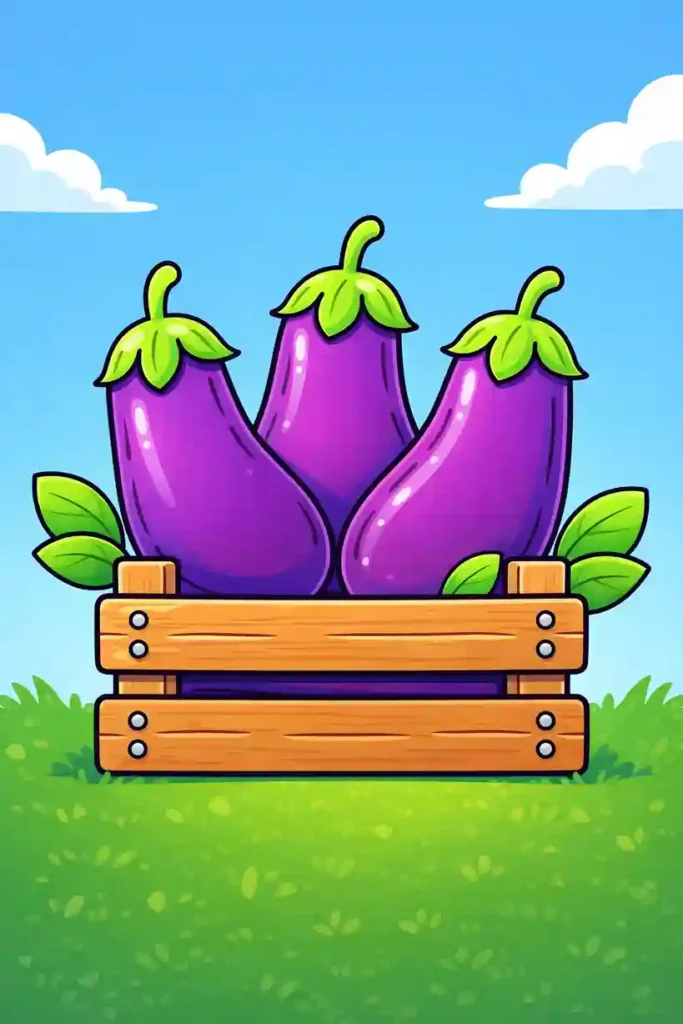
Purple Eggplants
Unlike most vegetables, which are named for what they look like, eggplant was actually named after a completely different variety — the original eggplants were white and shaped like eggs hanging on a vine, and the purple ones we eat today inherited that name from their paler cousins. It’s also technically a fruit, since it grows from a flower and contains seeds.
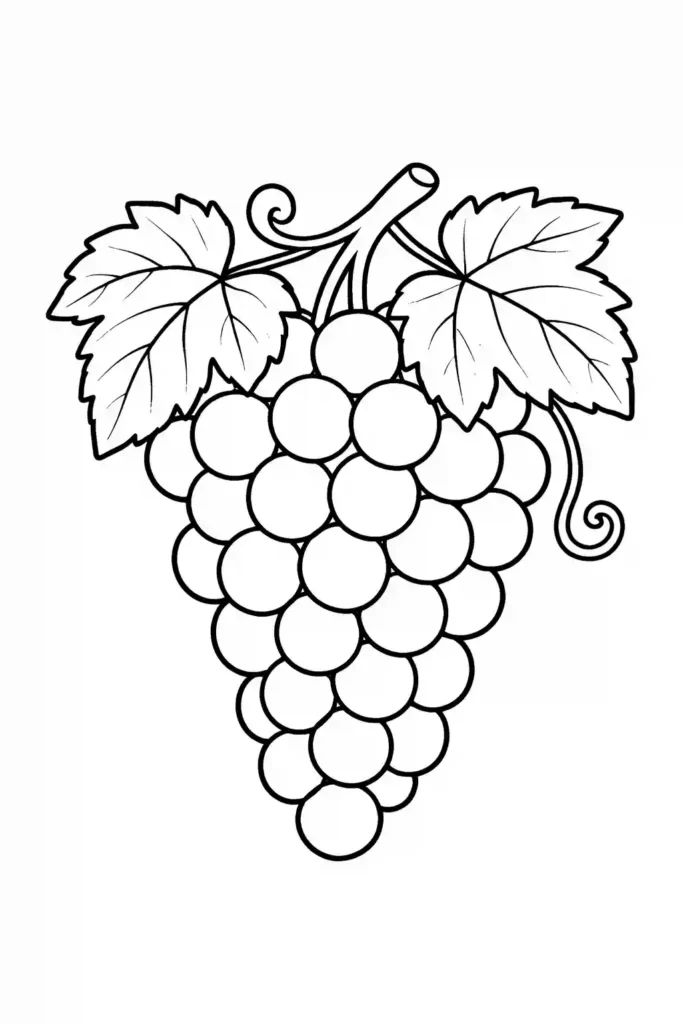
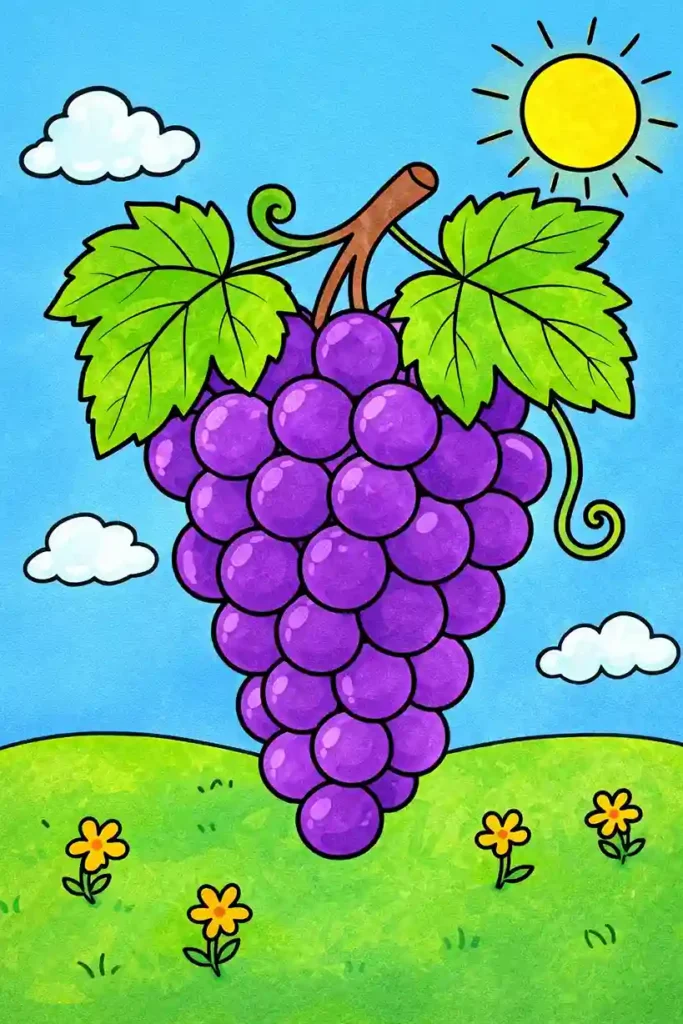
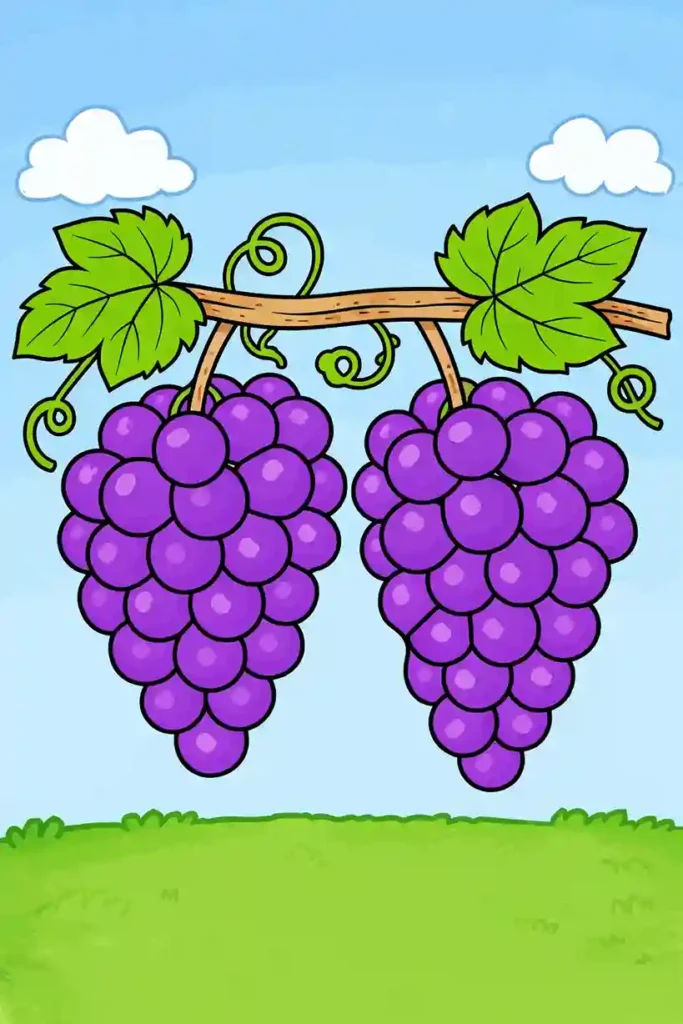
Purple Grapes
Your little one might not know that if you cut a purple grape open, the juice inside isn’t purple at all — it’s clear or pale green, because all the purple color lives in the skin on the outside. That’s a great thing to check together at snack time: peel one grape and look at what’s underneath.
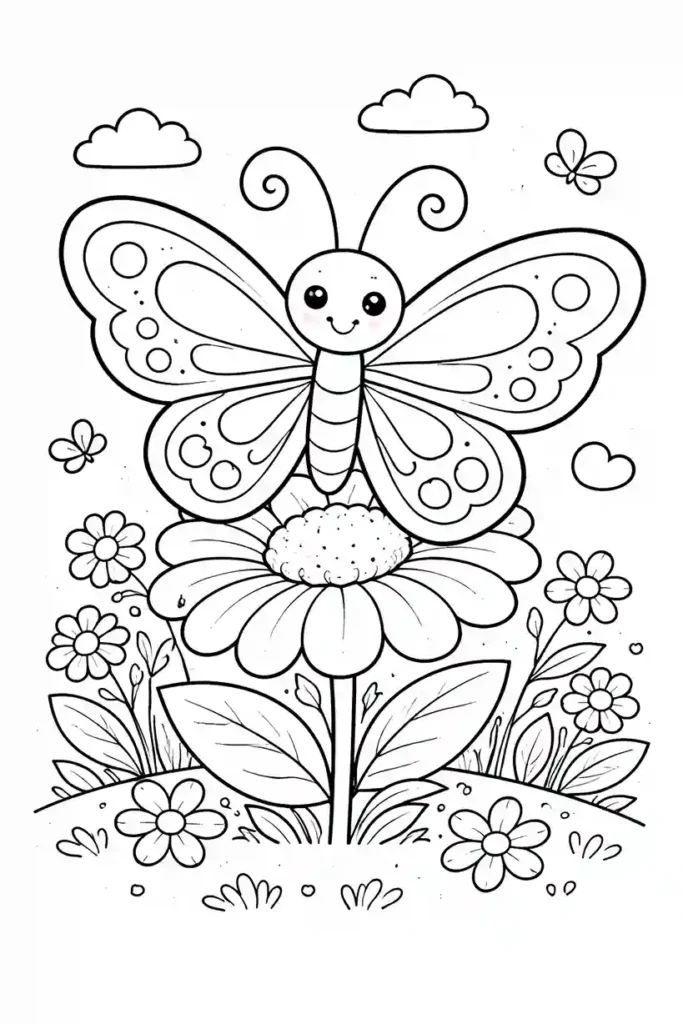
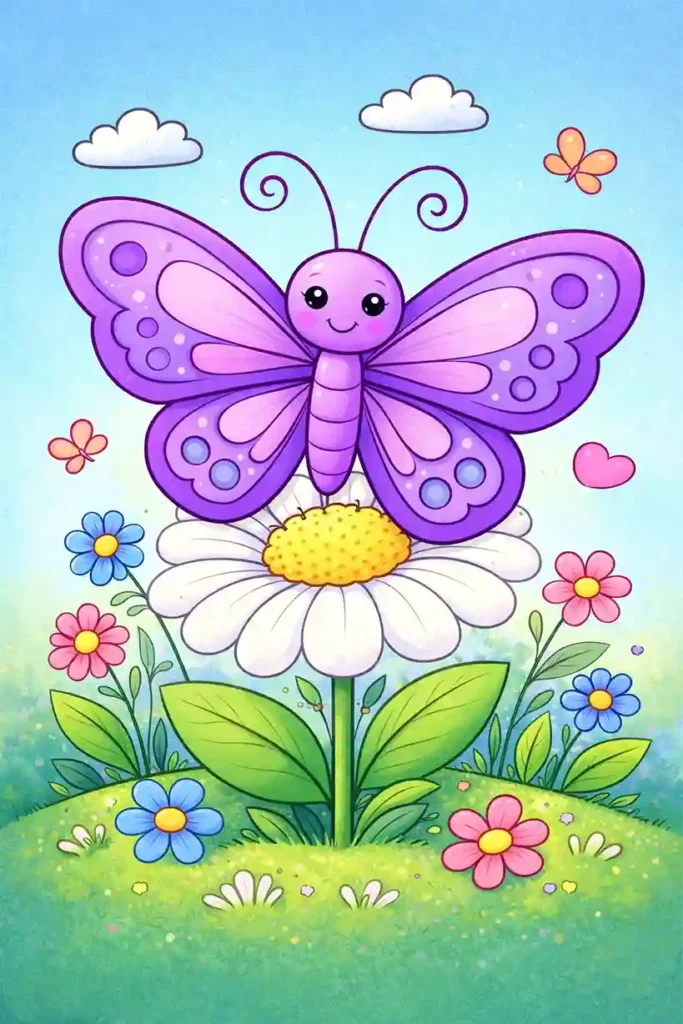
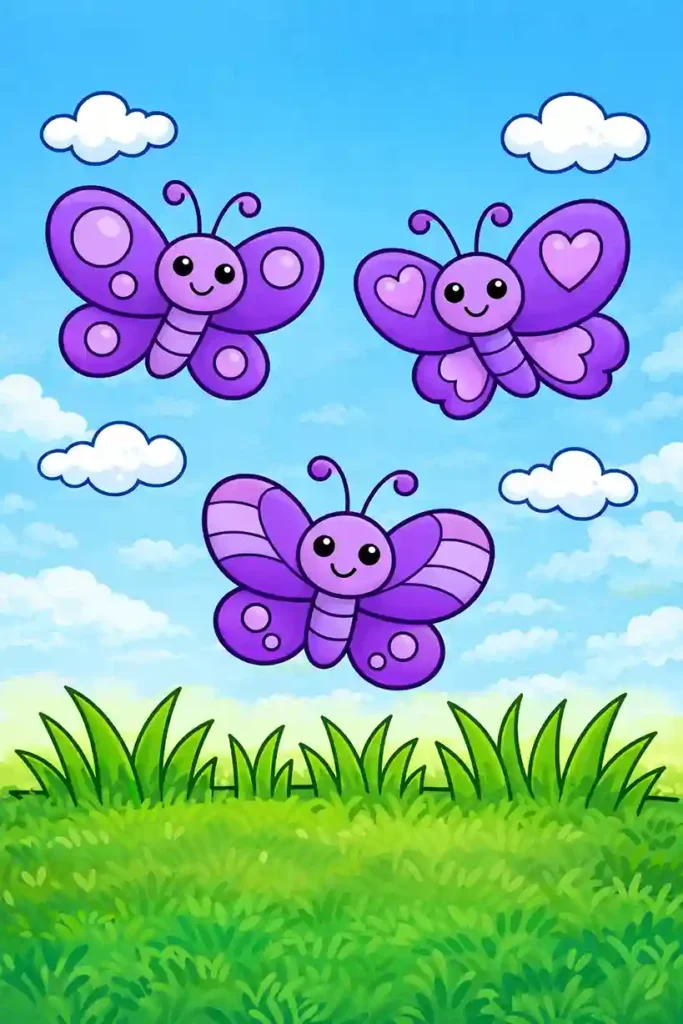
Purple Butterflies
Many purple butterflies — including the Purple Emperor — don’t have purple pigment in their wings at all; their wing scales are built with tiny ridges at the nanoscale that act like mirrors and reflect only purple light, so the color comes and goes with the angle.
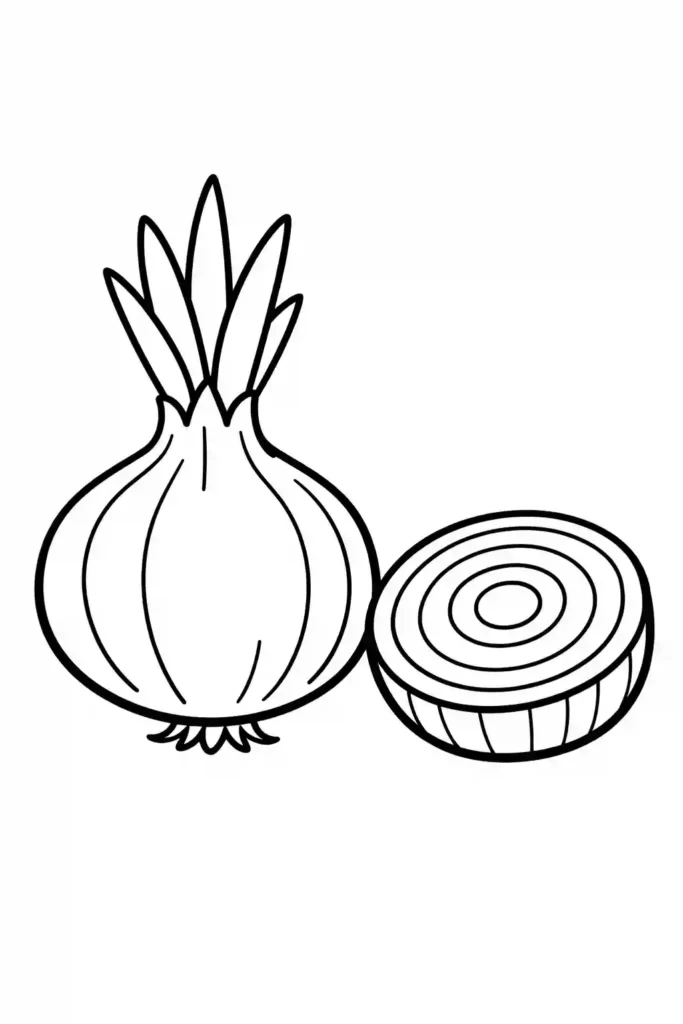
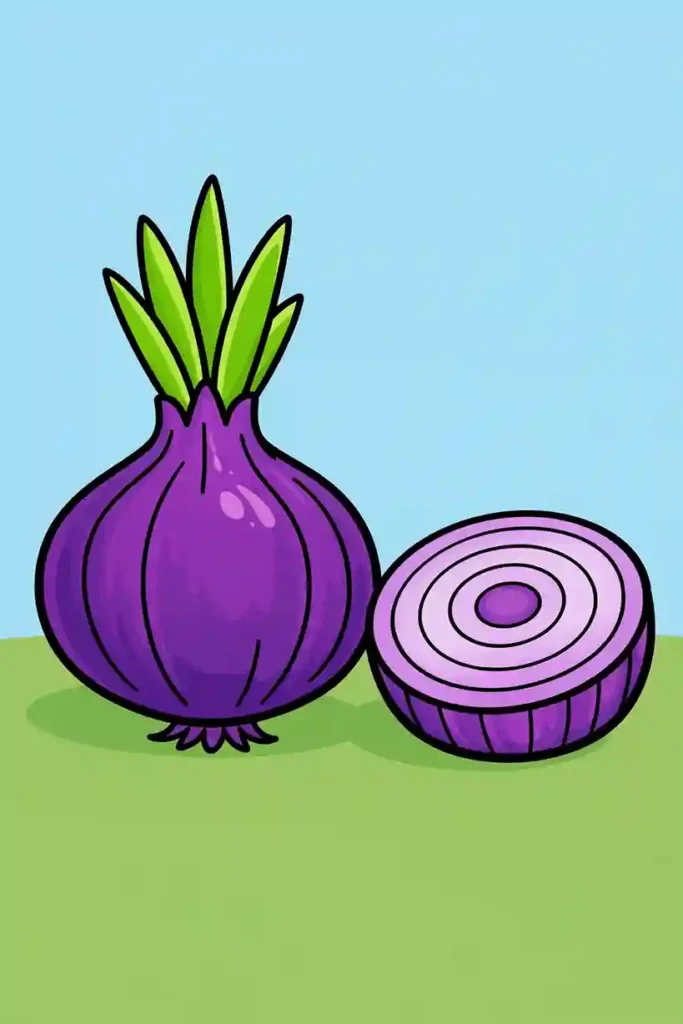
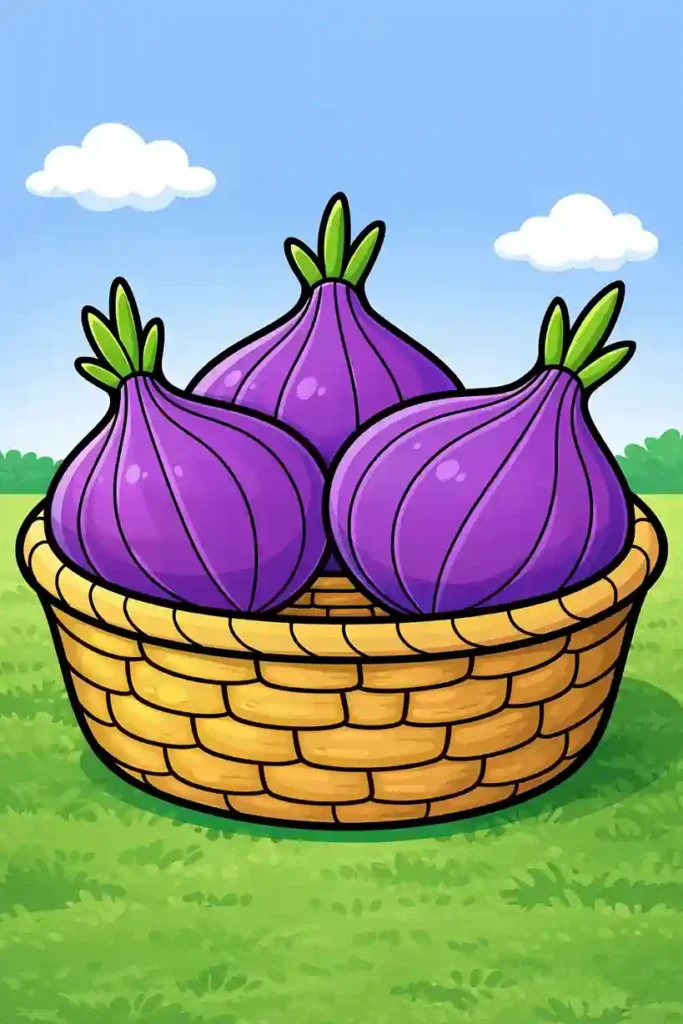
Purple Onions
The onion sold as a “red onion” in every grocery store is, by any reasonable definition, purple — botanists and chefs widely acknowledge the name is a historical mistake. Add a squeeze of lemon juice while cooking and the purple shifts toward a brighter pink-red, a tiny kitchen chemistry experiment hiding in plain sight.
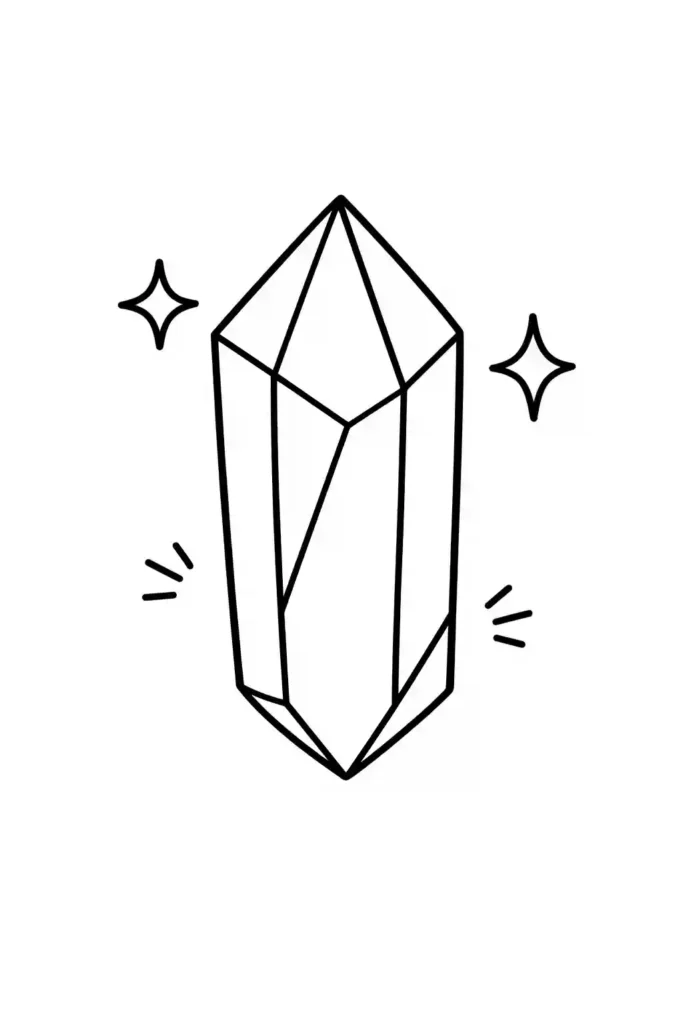
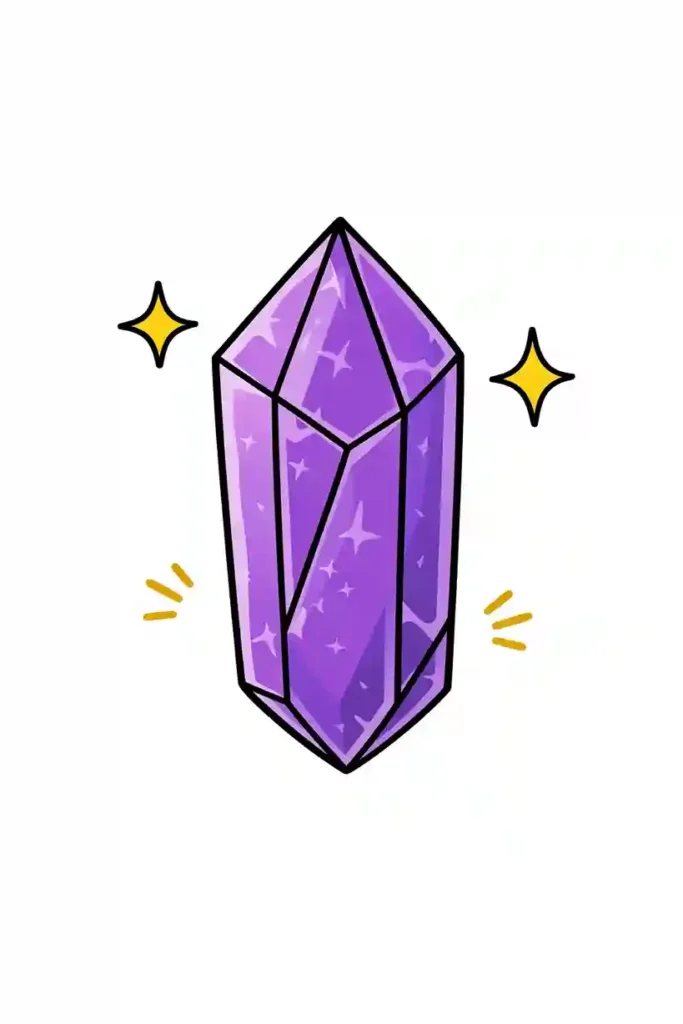
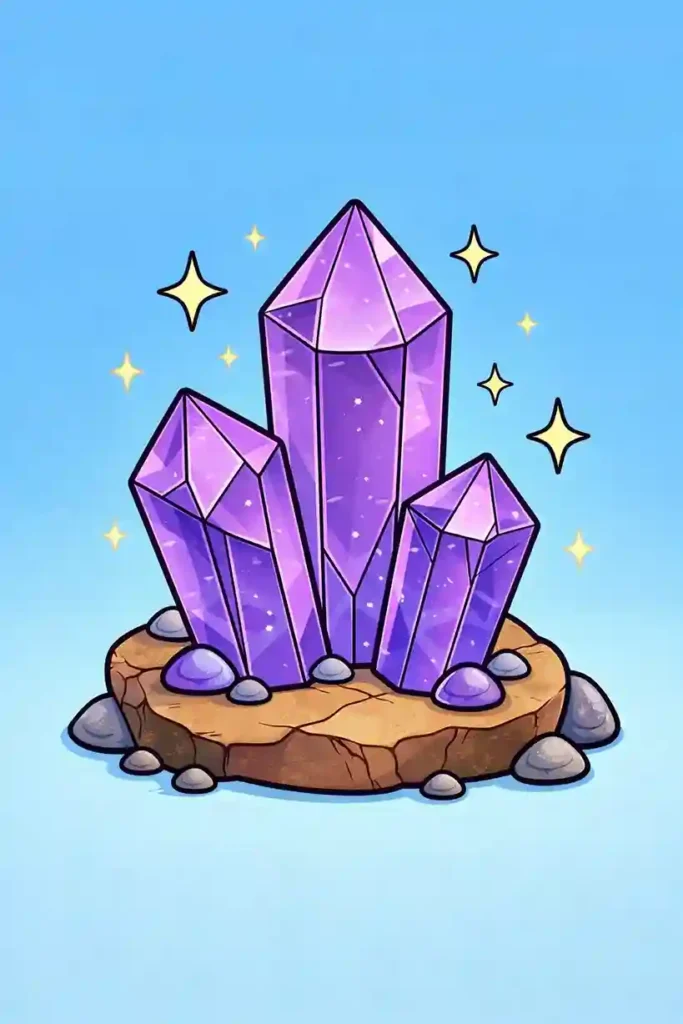
Purple Amethyst Crystals
Amethyst is ordinary clear quartz that turned purple underground over millions of years, because trace iron crept into the crystal and low-level natural radiation from surrounding rock slowly changed its color. Heat an amethyst and that purple disappears permanently, turning it yellow — which is actually how most “citrine” gemstones on the market are made.
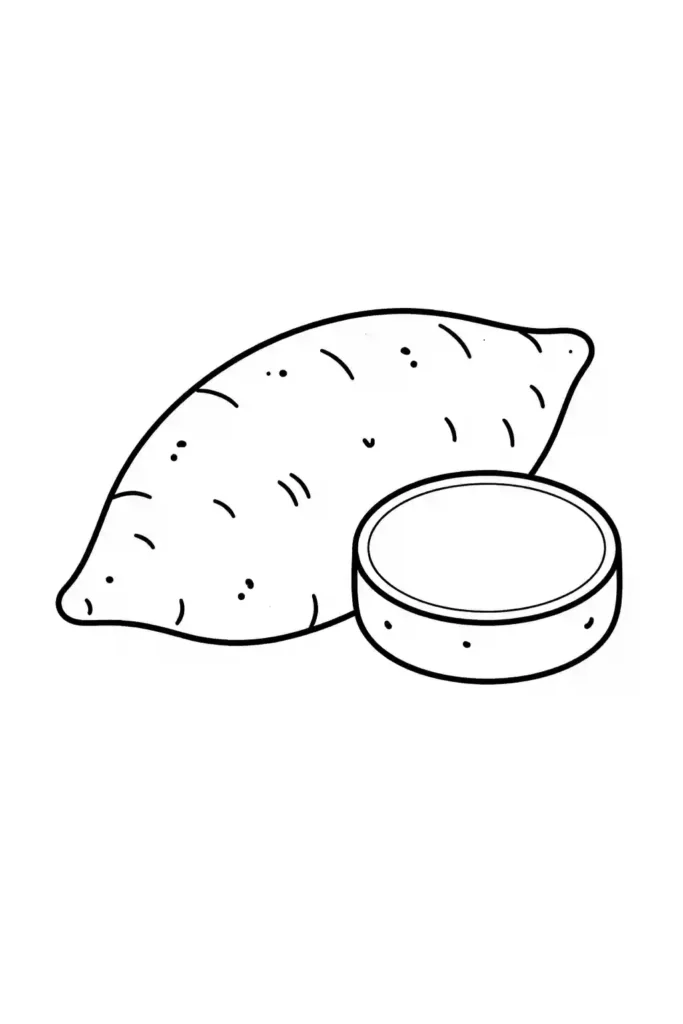
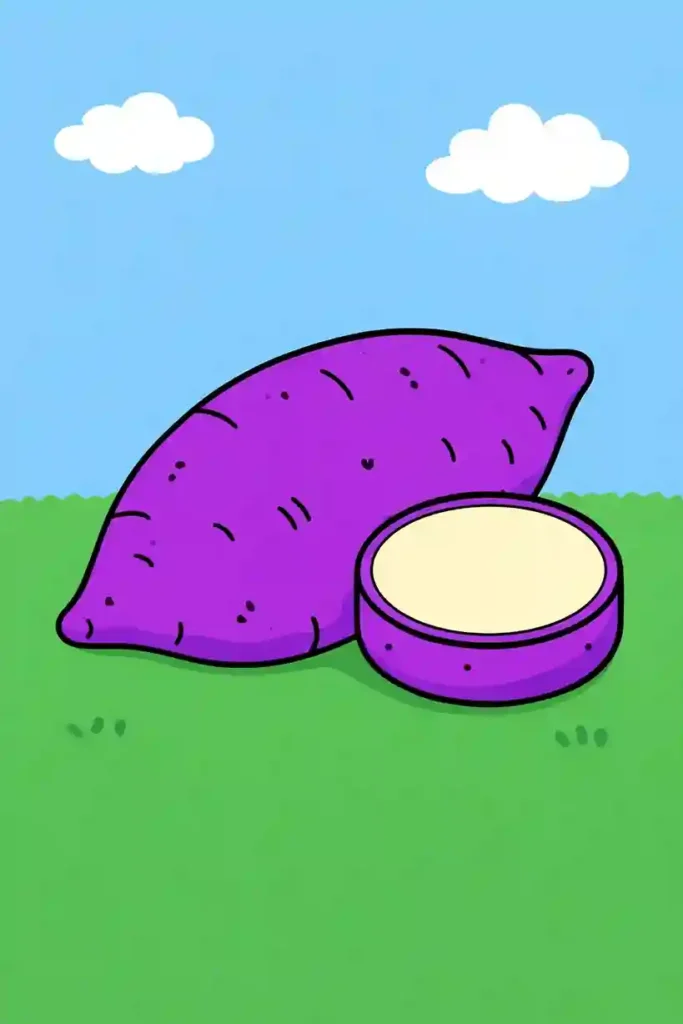
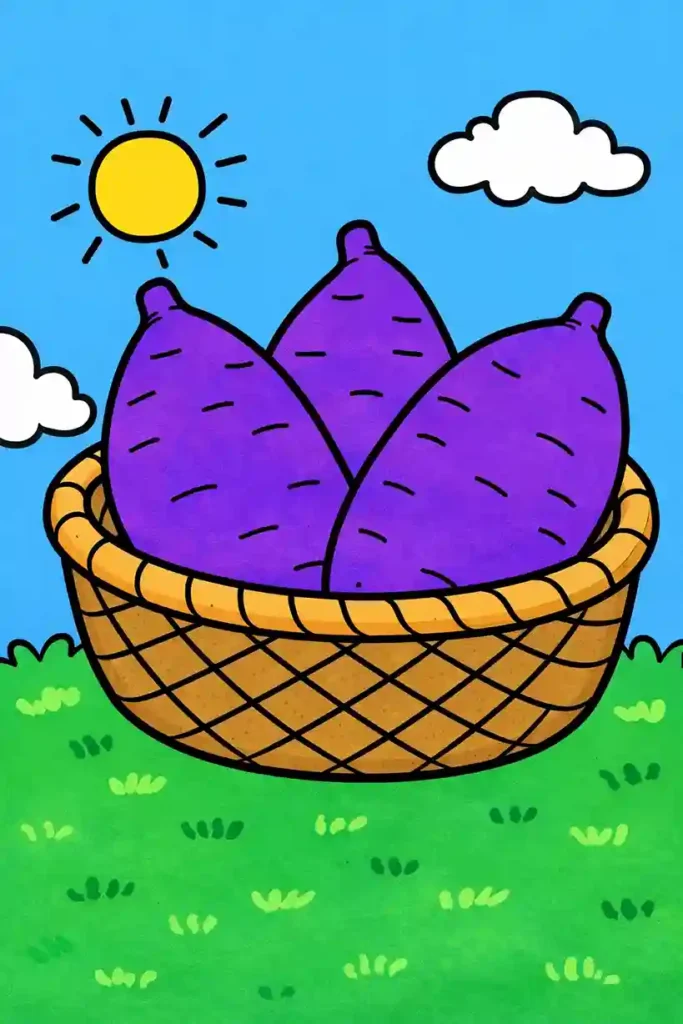
Purple Sweet Potatoes
Orange sweet potatoes are the recent invention, not the purple ones — wild ancestral sweet potatoes from South America were purple-fleshed, making purple the original. Purple sweet potatoes are also one of the only vegetables that stay vividly purple after cooking, because their anthocyanins are unusually heat-stable, while almost every other purple vegetable turns brown in a hot pan.
Related Coloring Pages
Popular Coloring Pages

What Are Purple Things?
Purple things are objects that appear purple because they reflect red and blue light wavelengths simultaneously. The color most commonly comes from pigments called anthocyanins. Common purple things include grapes, eggplant, lavender, purple sweet potatoes, red onions, amethyst crystals, butterflies, and everyday objects like balloons.
What’s striking about purple in nature is how rare it actually is. In surveys of flowering plants, white and yellow dominate by a wide margin — purple appears in only a small fraction of species, because the chemistry needed to produce a stable purple pigment is genuinely difficult. Anthocyanins, the molecules responsible for purple in almost every fruit and vegetable, are sensitive to acidity and will shift toward red or blue depending on the chemical environment around them. Maintaining a true, consistent purple is harder than it sounds, which is part of why purple plants and animals are so uncommon compared to green, yellow, or red ones. Purple is also the only common color that doesn’t technically exist as a single wavelength of light — violet does, but pure purple is what the brain constructs when red and blue light hit the eye’s cone cells at the same time.
For a toddler, the most useful purple things to know are the ones that appear consistently and reliably — grapes, eggplant, and blueberries don’t vary the way some flowers do. Once your child has locked in a few food anchors, they’ll start spotting purple everywhere: on balloons, in the garden, in a mineral collection, in the produce aisle. That’s a good moment to go on a purple hunt together and count how many shades of purple you can find before dinner.
How to Teach Your Child the Color Purple
Purple is a secondary color, which means most children learn it after they’ve already got red, yellow, and blue — typically somewhere between ages 3 and 4. It’s also one of the colors children most commonly confuse with blue, which makes sense: blue usually comes first, and purple lives right next to it on the color spectrum. If your 3-year-old is consistently calling purple “blue,” that’s not a delay — it’s actually the normal sequence of color learning, and it means they’re ready for the next step.
These coloring pages are specifically built around objects that anchor purple in a child’s memory through familiarity. Grapes are particularly powerful because children encounter them at meals, in lunchboxes, and in stores repeatedly — each sighting reinforces the word “purple” without any extra effort. The butterfly page works differently: it introduces the idea that purple can appear on something that moves and flashes, which is more abstract and works well for slightly older children who already have the food anchor. The balloon ties purple to celebration, which is emotionally memorable. Using a mix of these pages over several days, rather than all at once, gives the word “purple” time to attach to more than one object.
Beyond the pages, there are a few specific things that speed up purple recognition. At the grocery store, point to grapes and eggplant and ask your child to say “purple” before picking them up — naming while touching is more effective than just pointing. At home, set out a purple crayon next to a blue one and ask which is which; the side-by-side comparison directly addresses the blue-confusion problem. You can also try the anthocyanin experiment: let your child watch what happens when you add a few drops of lemon juice to the water used to boil red cabbage — it turns from purple toward pink, and you can tell them that’s the same pigment that makes grapes purple.
4 Ways to Make These Purple Coloring Pages Into a Full Activity
The Purple Grocery Store Mission
Before your next grocery run, print the grape and eggplant coloring pages and let your child color them. At the store, make it their job to find those exact items in the produce section and point them out. The match between the coloring page and the real object is a strong memory anchor — especially because both grapes and eggplant are unambiguously, unmistakably purple in a way that flowers sometimes aren't.
The Grape Inside-Out Experiment
After coloring the purple grape page, cut a grape in half together and look at the inside. Ask your child what color the juice is. It's clear — all the purple is in the skin. This directly connects the coloring page to a hands-on discovery, and the surprise of "it's not purple inside!" tends to make the word "purple" stick far longer than any worksheet.
The Purple Emperor Story Time
Color the butterfly page together, then tell your child that some purple butterflies don't actually have purple paint in their wings — they have tiny invisible bumps that bounce light to make purple appear, and if you move, the purple disappears. Let them test this idea with the coloring page itself: does the purple on paper disappear when you move it? No — which means the coloring-page butterfly is different from the real one. Children find this genuinely interesting.
The Royal Purple Challenge
Tell your child the one-sentence version of the imperial purple story: purple used to be so expensive that kings made it against the law for anyone else to wear it. Then challenge them to find one purple thing in every room of the house — and declare each one "fit for a king." It turns color recognition into a game and gives purple an identity that makes it memorable beyond the page.
Frequently Asked Questions (FAQs)
What is the best way to teach a toddler the color purple?
The most effective way to teach a toddler the color purple is to name it consistently while pointing to familiar purple foods — grapes, eggplant, and purple berries are ideal because children encounter them repeatedly. Say “purple” aloud while your child colors or sorts these objects. Research in early childhood education shows color-word retention improves significantly when children say the name out loud while doing something physical.
Why does my child keep calling purple "blue"?
Blue-purple confusion is completely normal and is one of the most predictable patterns in early color learning. Most children learn blue before purple, and because purple sits right next to blue on the color spectrum, their brains default to the closest word they already know. Put a blue crayon and a purple crayon side by side and name them both — grapes and eggplant work as food anchors for the same reason.
Is purple a primary or secondary color?
Purple is a secondary color, made by mixing red and blue. Primary colors can’t be made by mixing other colors, but secondary colors like purple, orange, and green all require two primaries combined — which is why children typically learn purple between ages 3 and 4, after mastering the basics. True purple is also what your brain produces when red and blue light hit your eye simultaneously, making it technically a construction of the brain rather than a single wavelength of light.
What are some purple things kids can recognize?
The most recognizable purple things for young children are grapes, eggplant, purple balloons, butterflies, and lavender. Grapes and eggplant are the strongest teaching anchors because they appear in grocery stores and kitchens consistently, reinforcing the word “purple” without extra effort. Balloons connect purple to celebrations, which are emotionally memorable. Variety across food, nature, and objects helps children understand that purple is a category, not just one thing.
Why is purple associated with royalty?
Purple became the color of royalty because it was, for most of human history, extraordinarily expensive — the most coveted purple dye, called Tyrian purple, was extracted from the mucus of Mediterranean sea snails, and it took over 250,000 snails to produce a single ounce. Roman emperors made it illegal for anyone else to wear it. When William Henry Perkin accidentally invented synthetic purple dye in 1856, it was the first time ordinary people could afford it.
The next time your child reaches for the purple crayon, you’ll know they’re doing something that once required the labor of a quarter-million snails — and you can decide whether that’s the version of the story you tell them. From the butterfly that makes purple without any pigment to the sweet potato that was purple before it was ever orange, this color has more going on than any crayon box suggests.
If your child is working through all the colors, our learning colors hub is a great next step — it organizes every color page by developmental order, starting with the primaries and building toward secondary colors like purple. Our blue things coloring pages work particularly well alongside this one, since blue and purple are the colors children most often confuse. And our red things coloring pages complete the primary-color foundation that makes purple easier to understand as a mix of red and blue.