Red Things Coloring Pages for Kids – Learn the Color Red
Red is the first color babies can see — their eyes can detect it as early as two to four months old, before they distinguish blue, green, or any other hue. That means the red apple on the breakfast table and the red stop sign at the corner have been visually significant to your child since almost the beginning. This page has eleven free printable red things coloring pages — apples, ladybugs, strawberries, cardinals, and more — designed to help children aged two to six connect the word "red" to the world around them. Print one today and let red be the starting point.
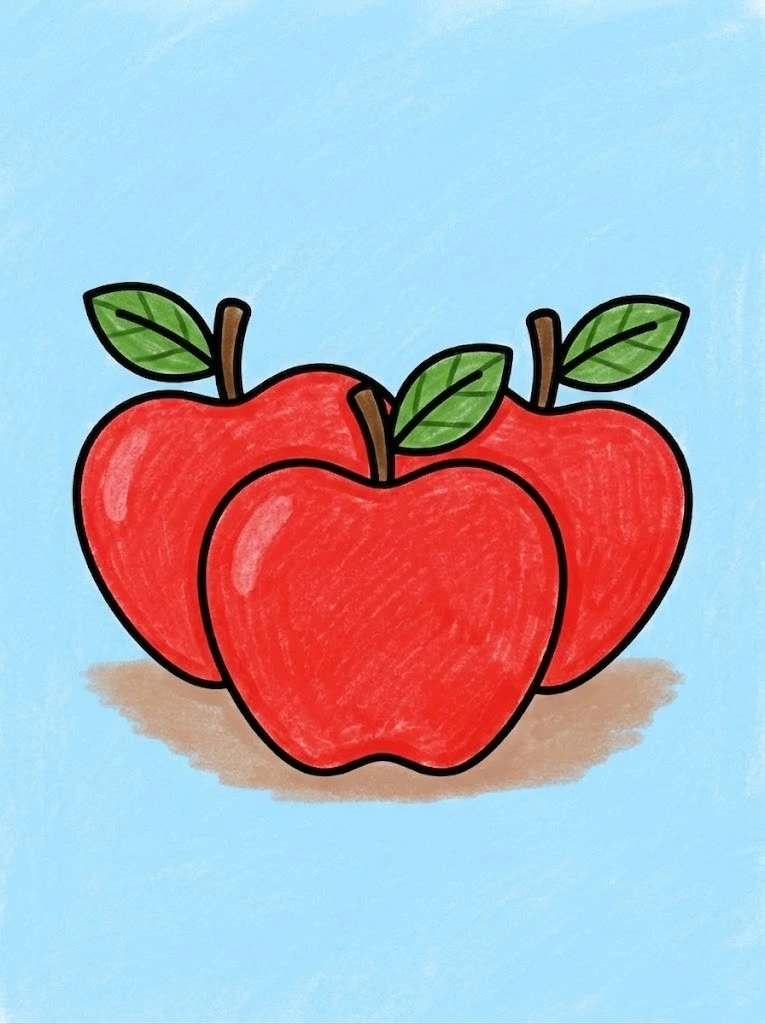
Red Apples
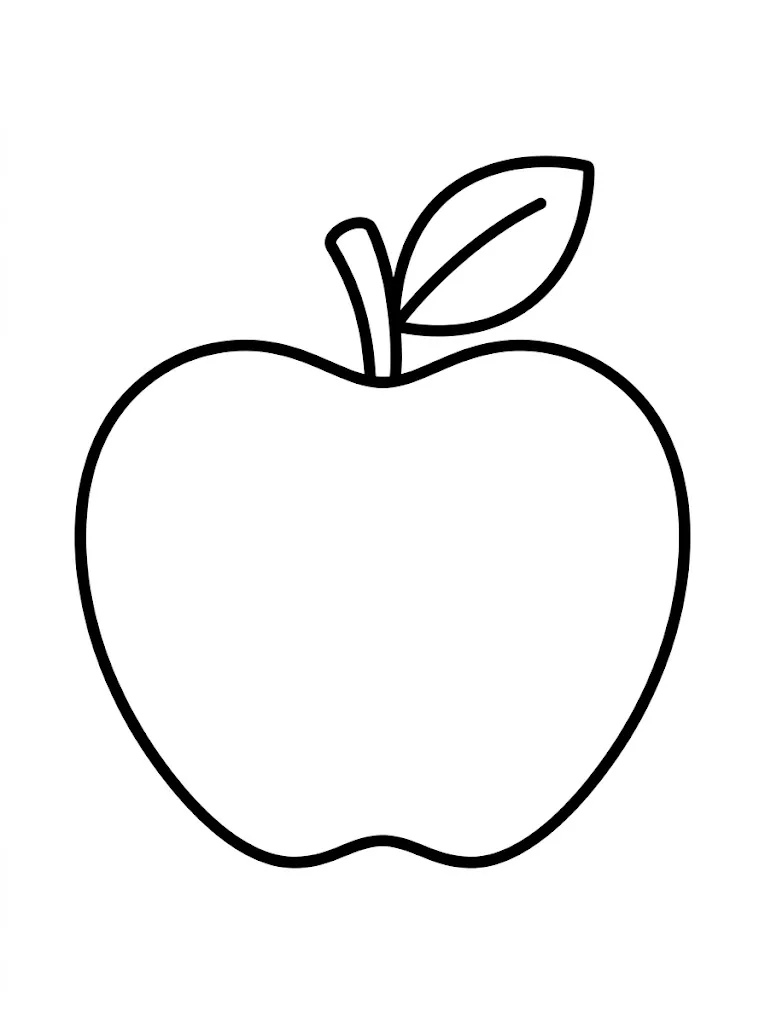
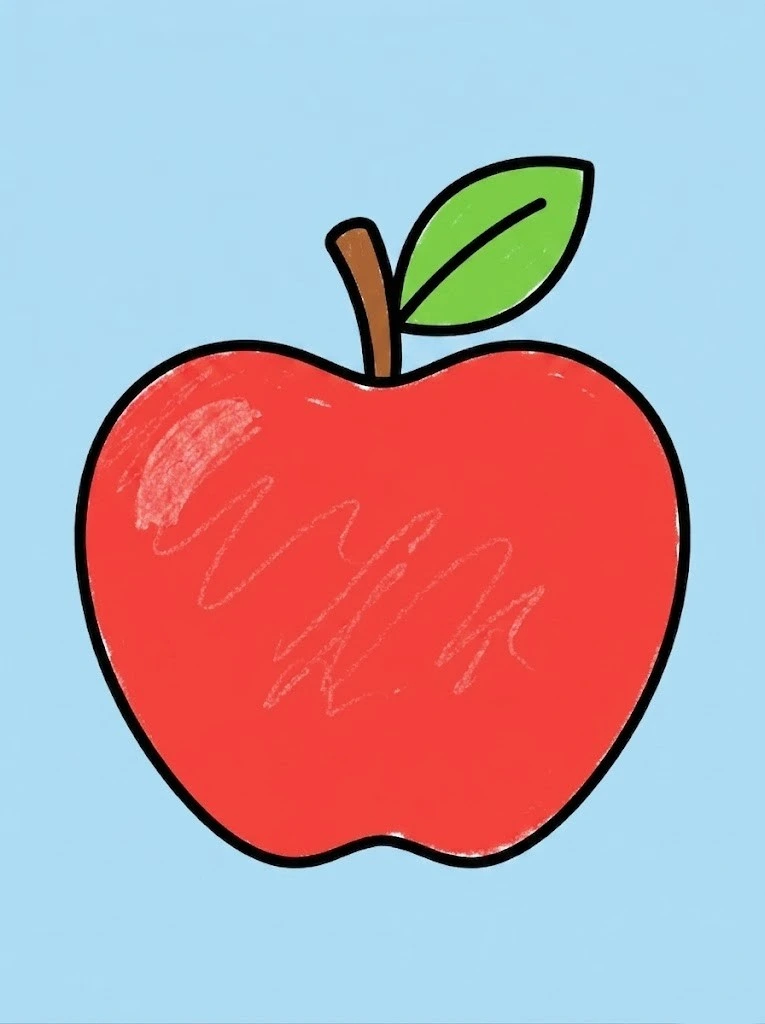
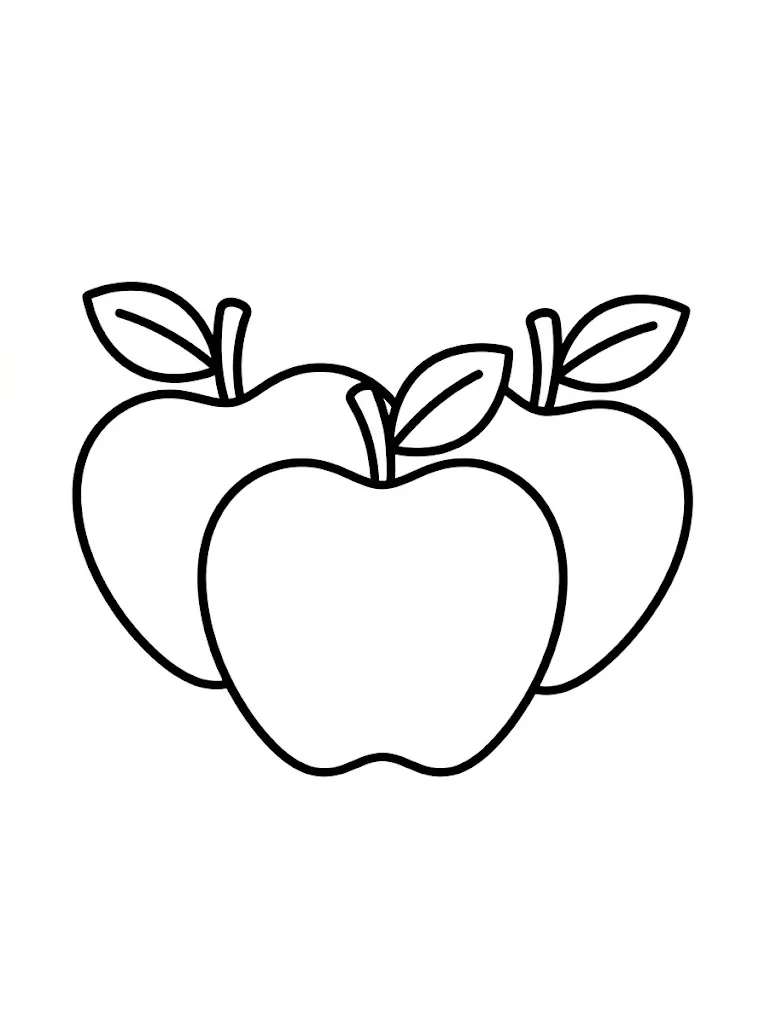
Apples don’t start out red — the red color develops only on the side of the apple facing the sun, which is why farmers sometimes rotate apples on the tree so they redden evenly. Ask your child which side of the apple looks reddest and why they think that might be.
Red Balloons
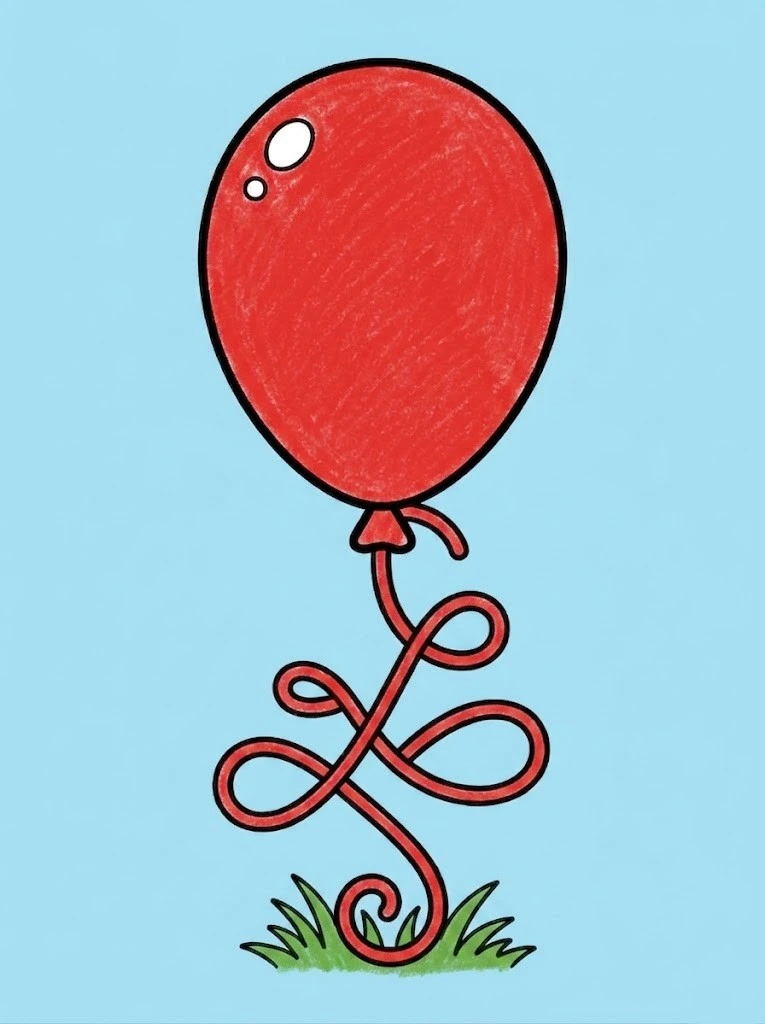
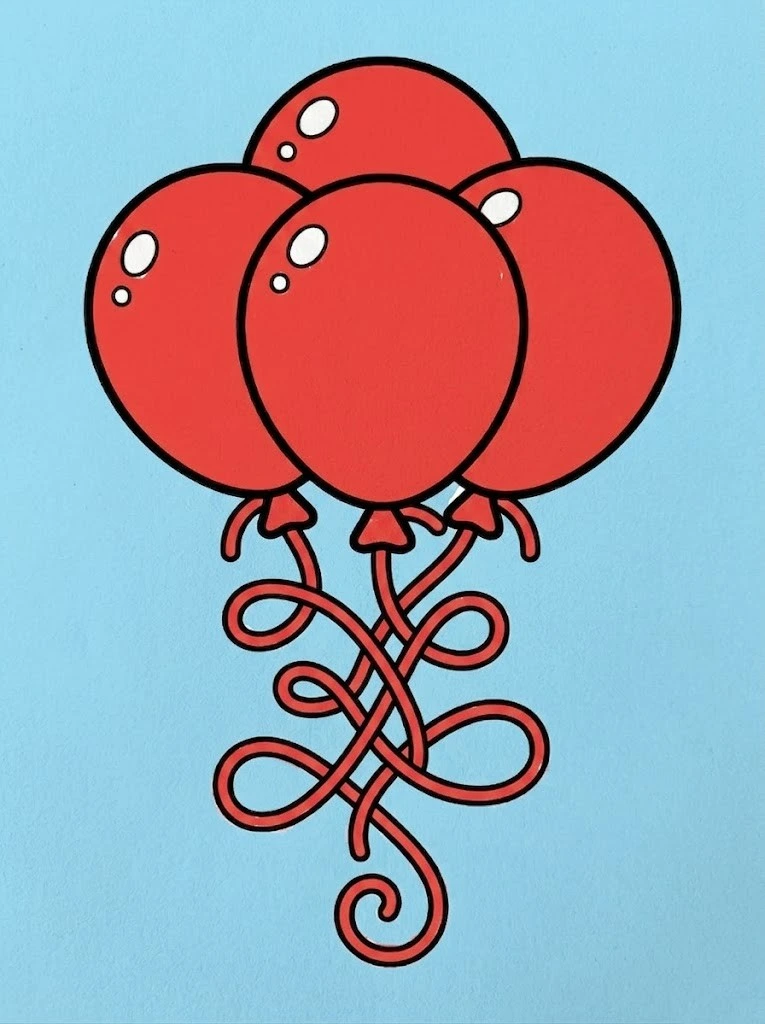
Have you ever noticed that red balloons seem to pop faster on a cold day? Latex contracts in cold temperatures, making it less stretchy and more likely to burst — the same red balloon that floats fine indoors may not survive a winter birthday party outside. That’s a surprisingly good conversation starter while your child colors.
CardinalsRed Cardinals
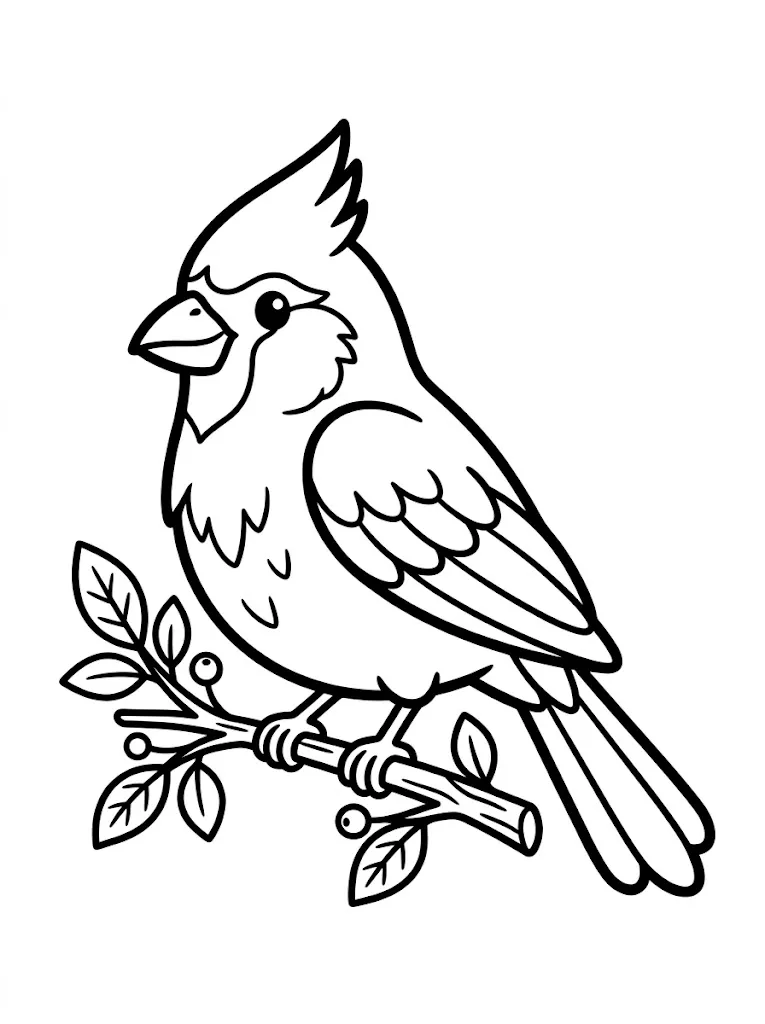
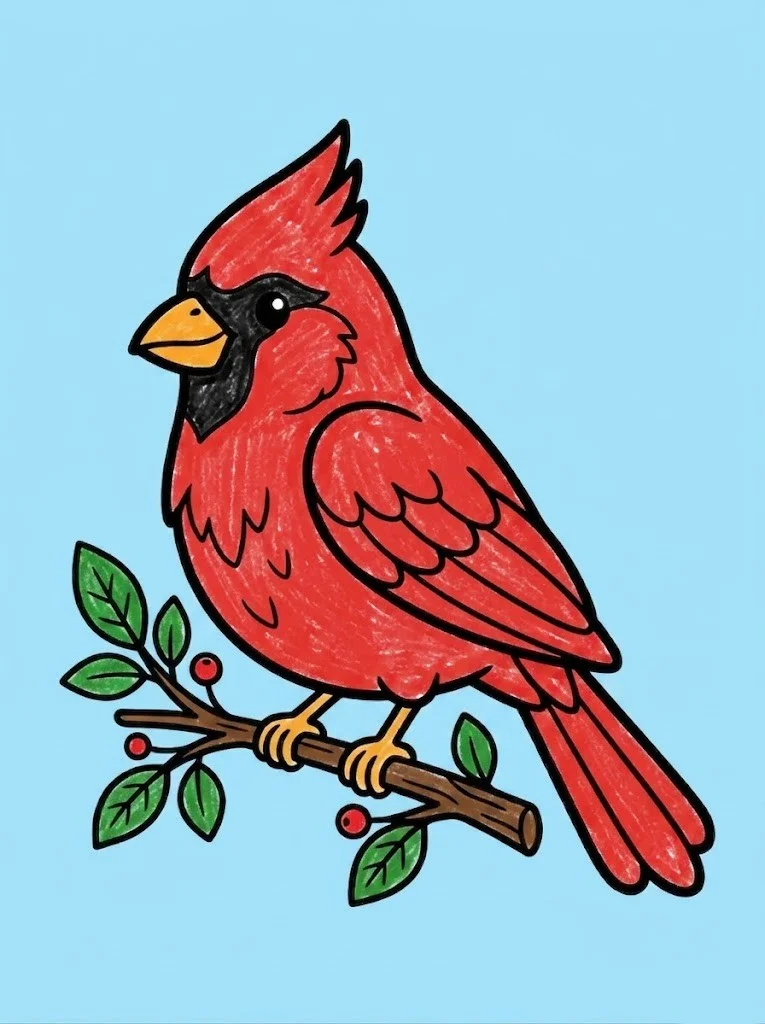
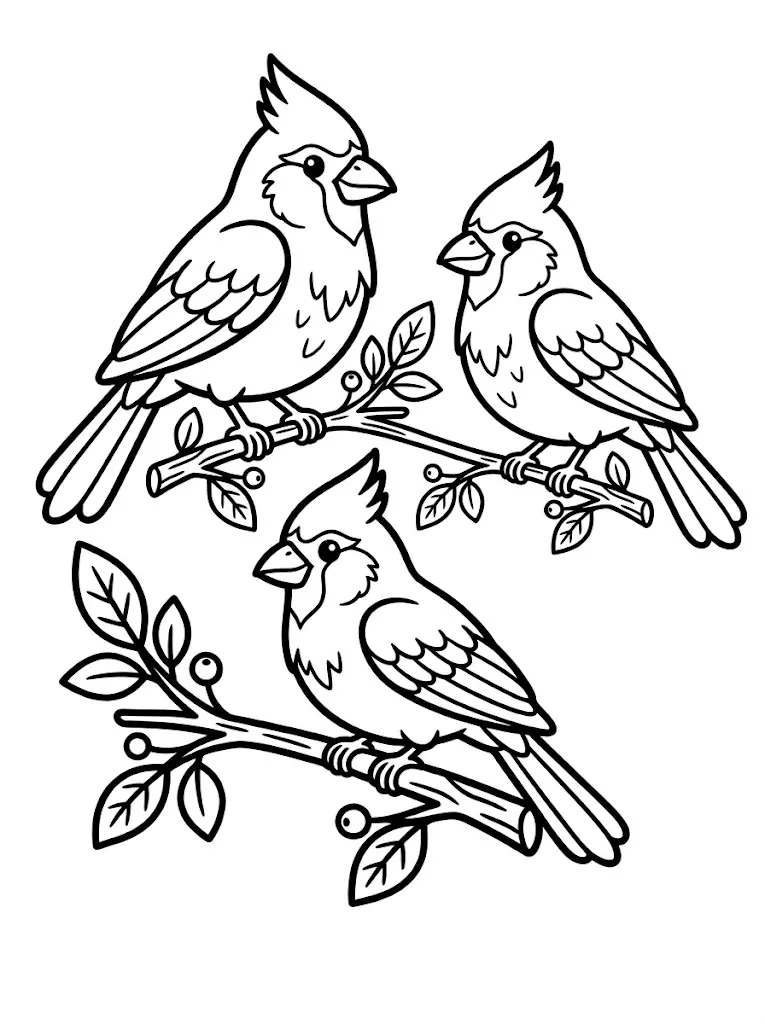
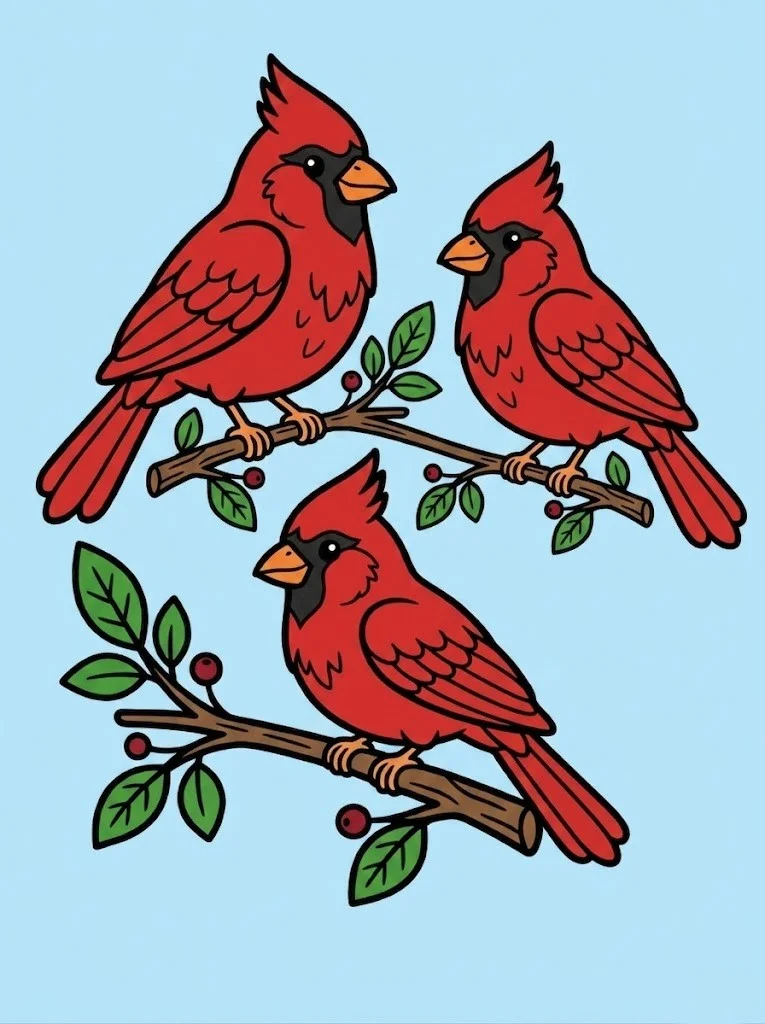
Your little one might not know that only the daddy cardinal is bright red — the mommy is brown so she can hide quietly in the nest without being spotted by predators. A male cardinal’s redness actually comes entirely from what he eats: cardinals fed a diet without the right pigments gradually fade from red to orange to yellow.
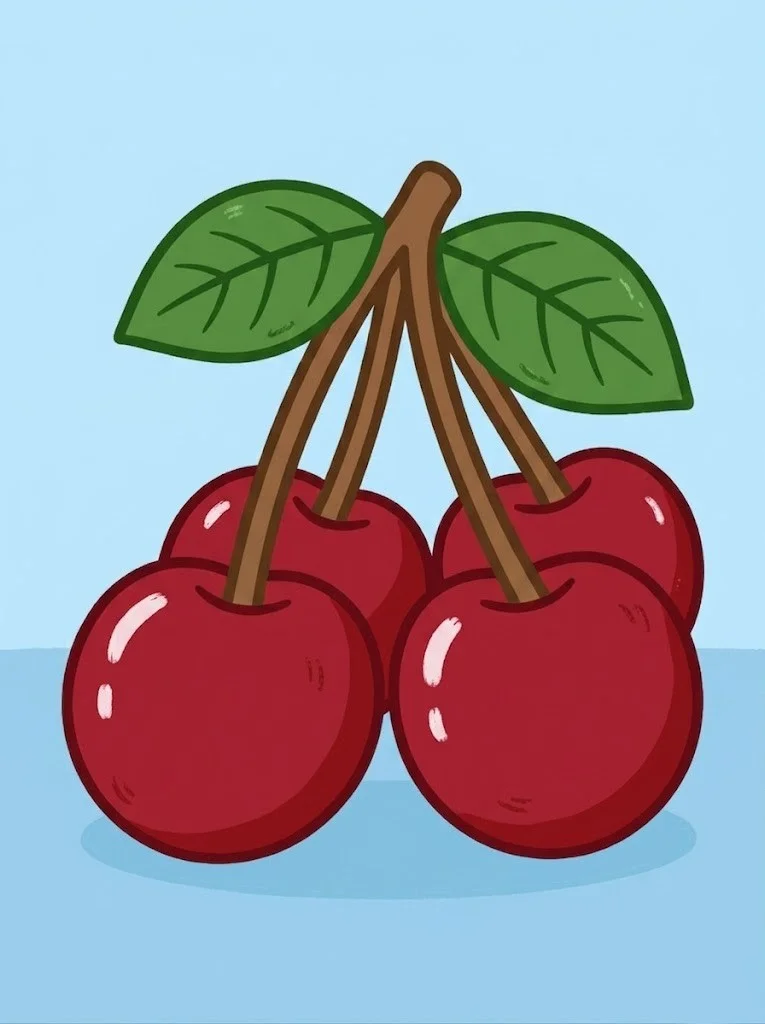
Red Cherries
Cherries get their red from anthocyanin — the same pigment in red cabbage — which turns red in acidic conditions and actually goes blue-green in alkaline ones. Tell your child that cherry juice mixed with baking soda would turn green.
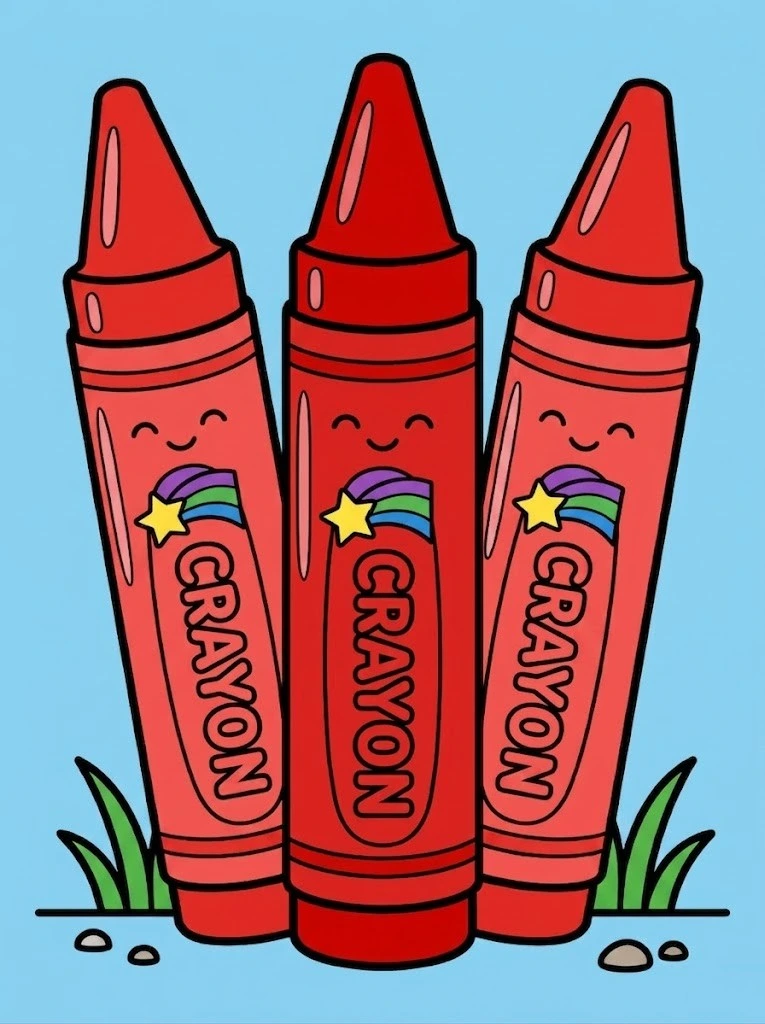
Red Crayons
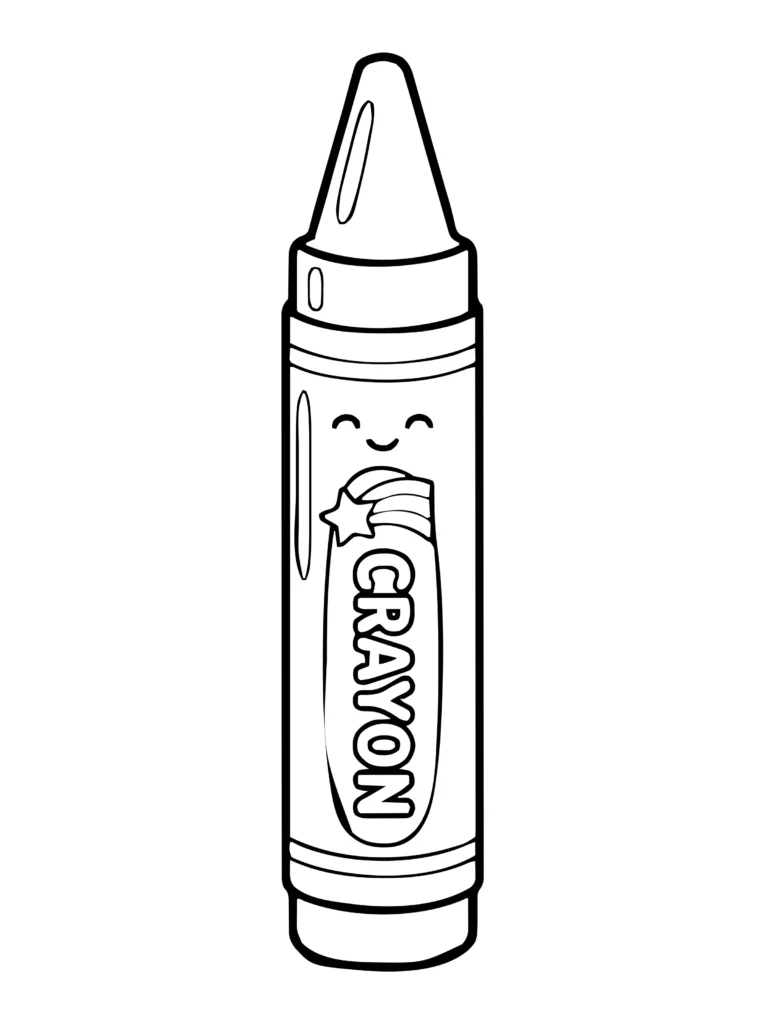
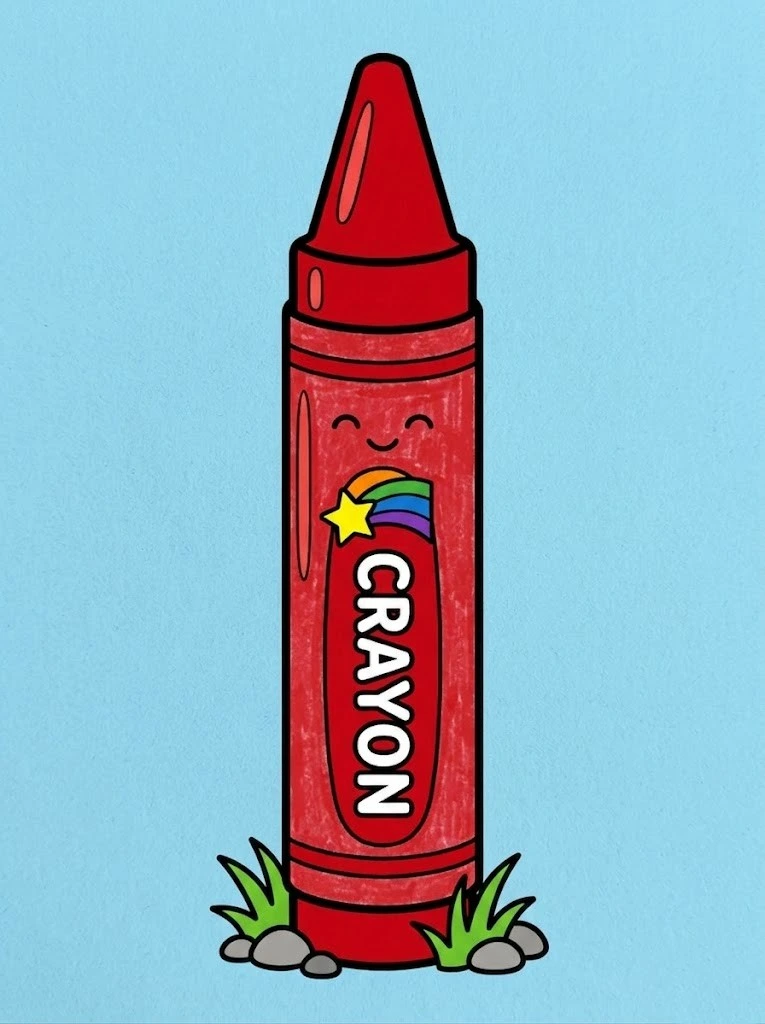
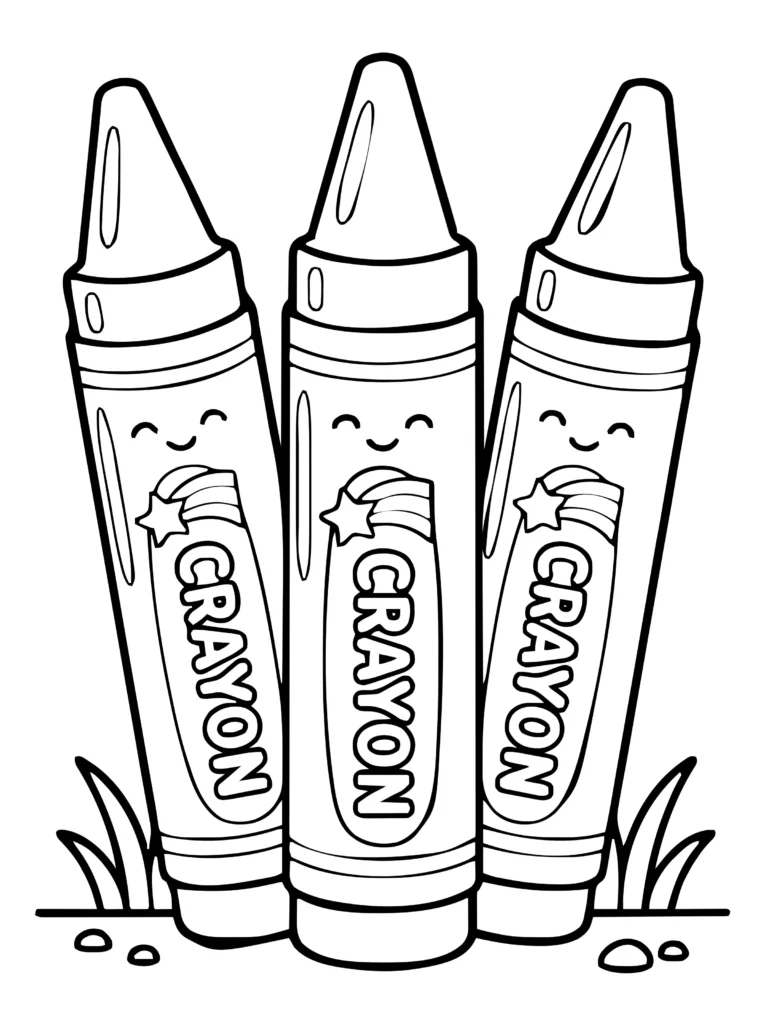
The red crayon wears down faster than any other crayon in the box — schools order red replacement crayons more than any other single color, because children instinctively reach for red to draw apples, hearts, and fire engines. Before your child starts coloring, check whether the red crayon is already the shortest one in the box.
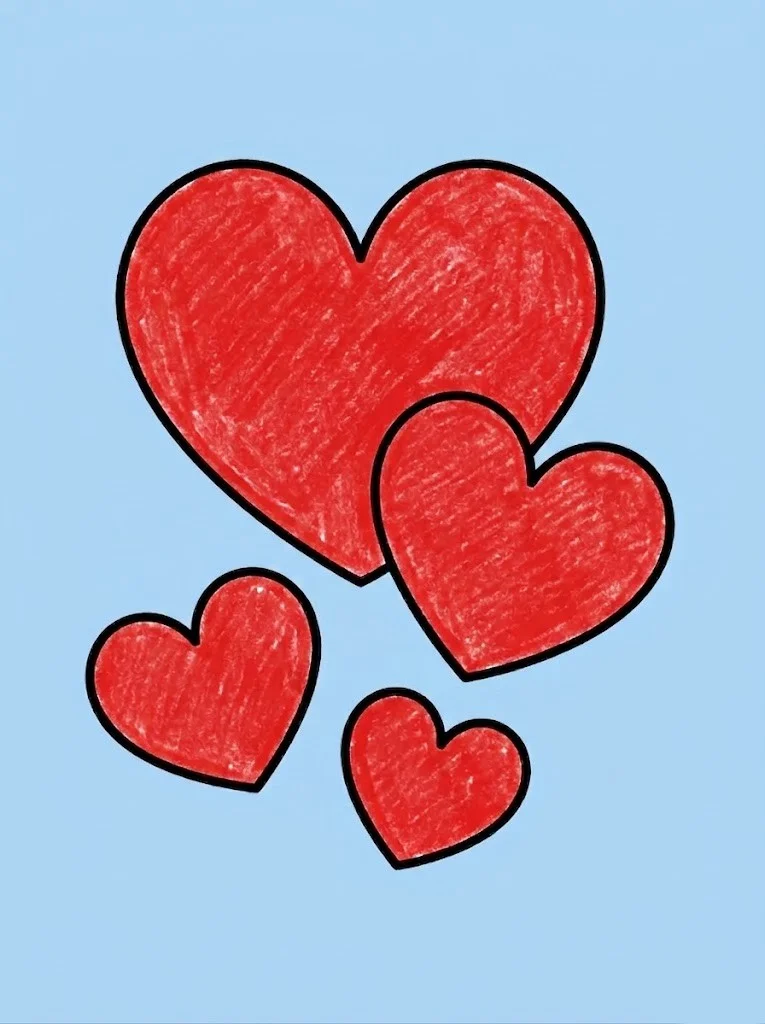
Red Hearts
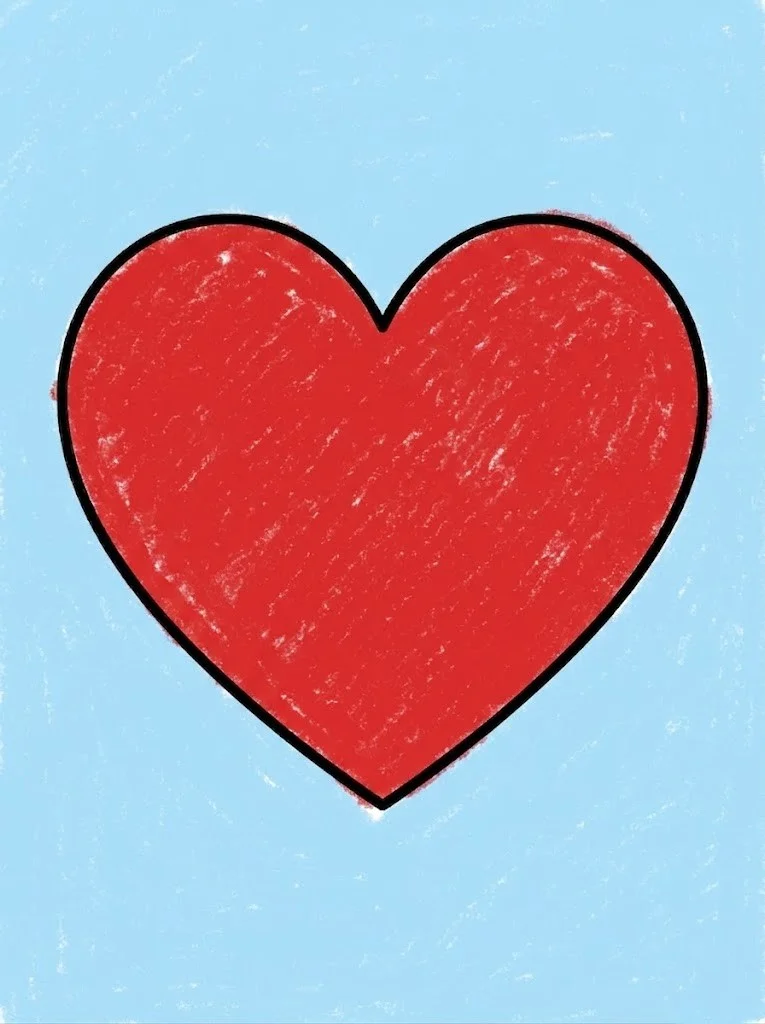
The heart shape on every Valentine’s card isn’t based on a real human heart — historians think it may trace back to the silphium plant seed, drawn on ancient coins. Ask your child to draw what they think a real heart looks like before they color this one.
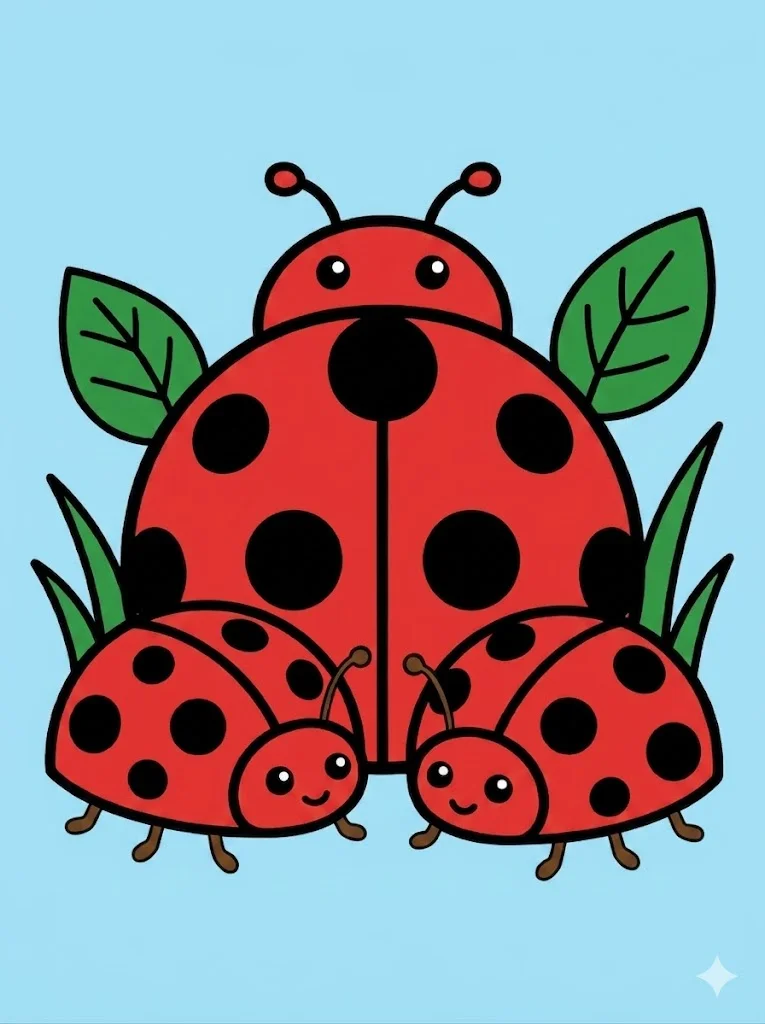
Red Ladybugs
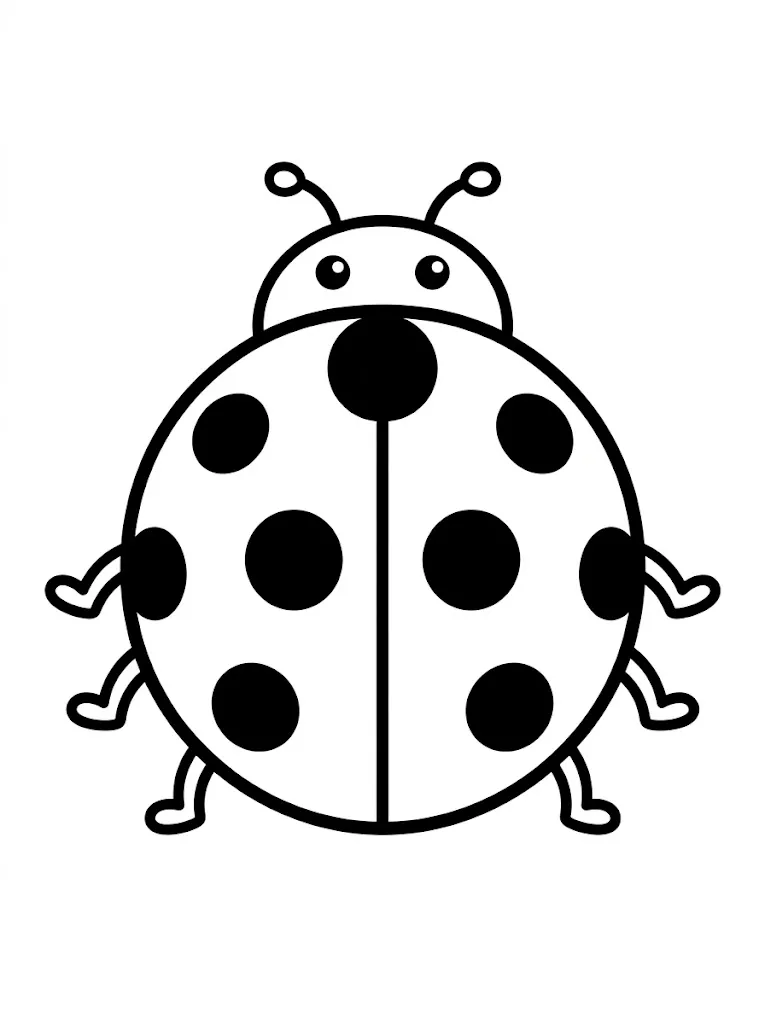
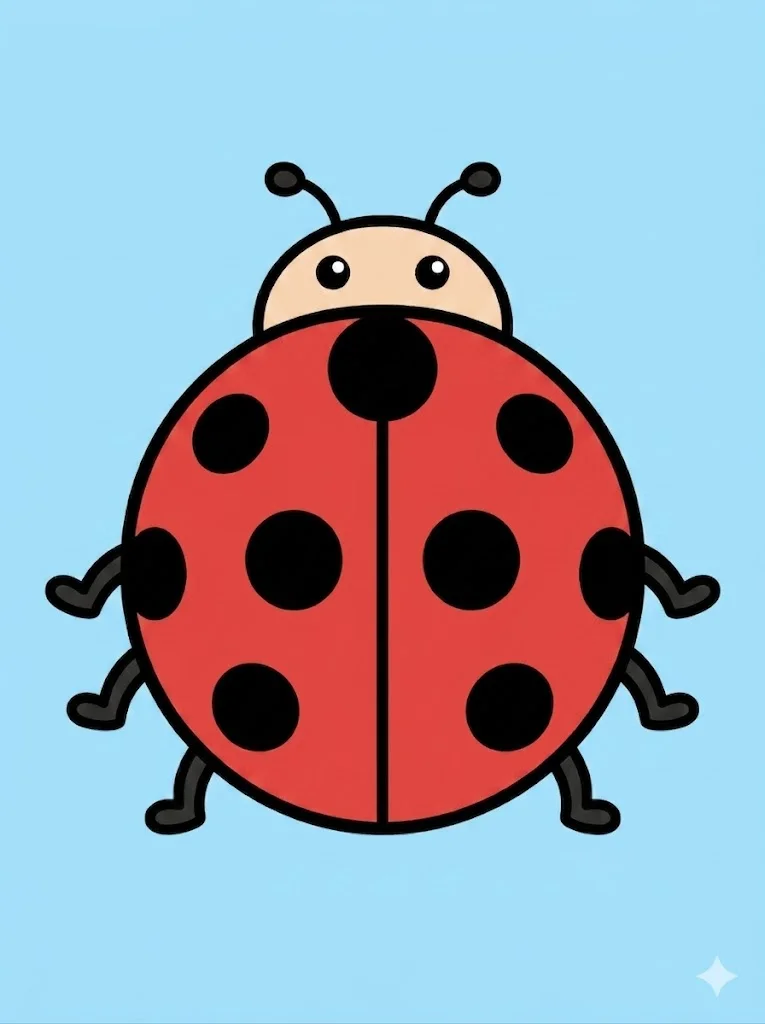
Unlike most red things that get their color from a pigment, a ladybug’s red shell serves as a warning system — its bright color tells predators “I taste terrible,” which is a strategy called aposematism. That red shell isn’t even its real wings; the actual flying wings are folded underneath it like a secret.
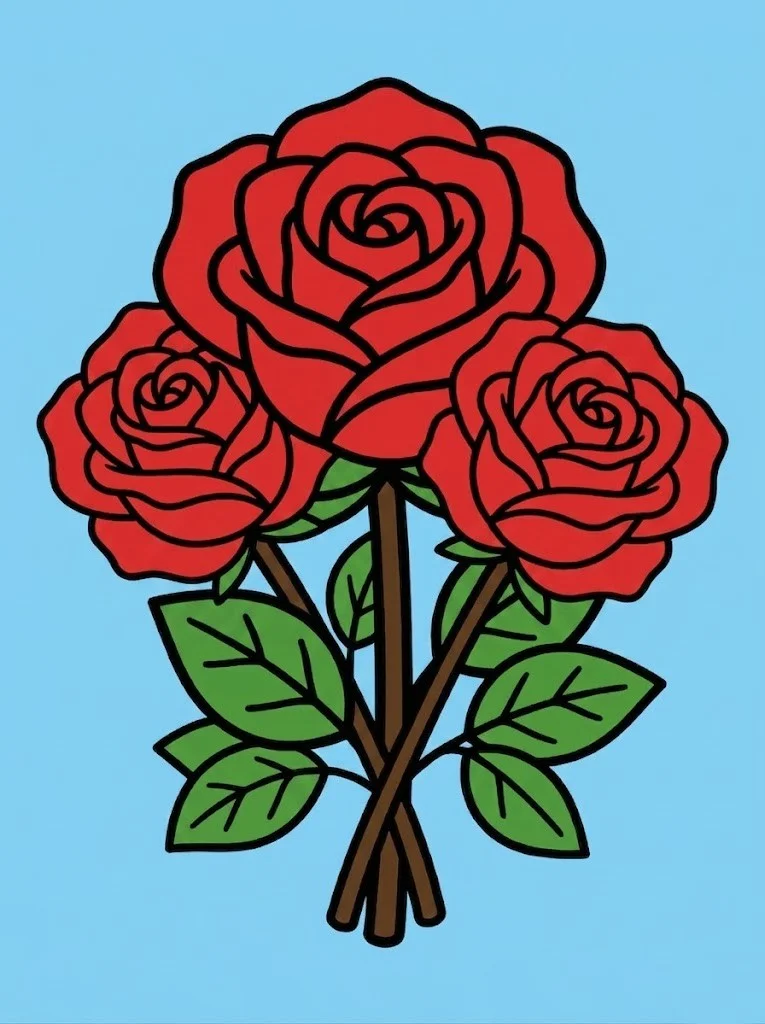
Red Roses
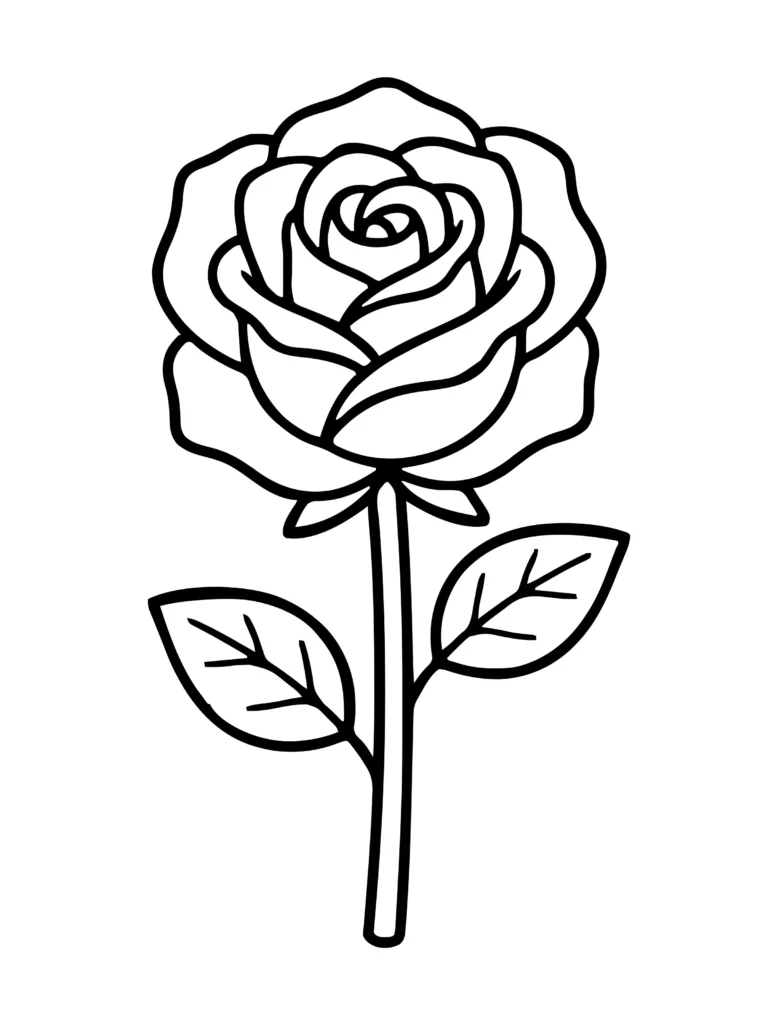
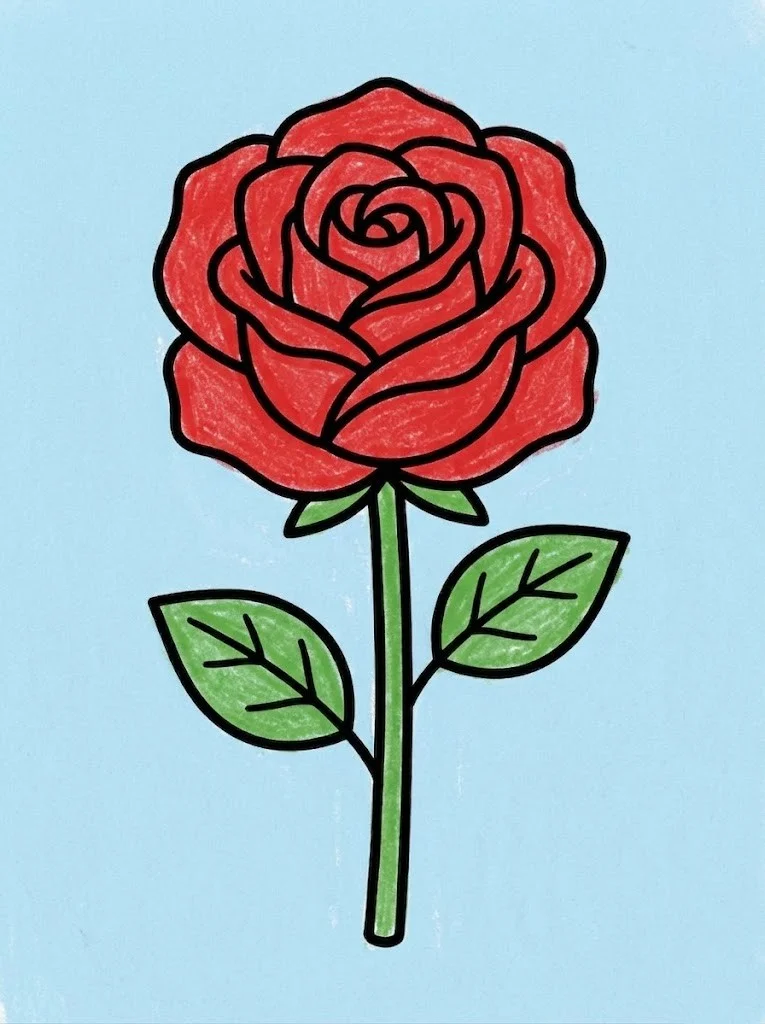
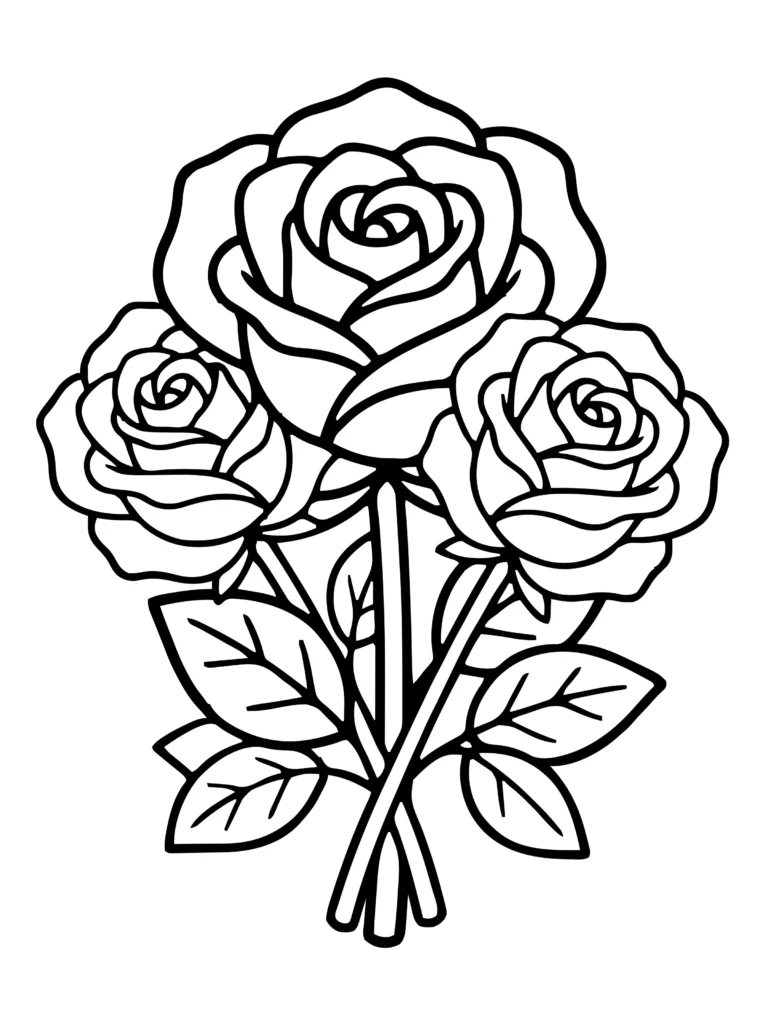
White roses carry all the genetic instructions to produce red pigment — they just lack the enzyme that switches the color on, which means every white rose is, in a sense, a red rose waiting to happen. That’s worth saying out loud while your child colors.
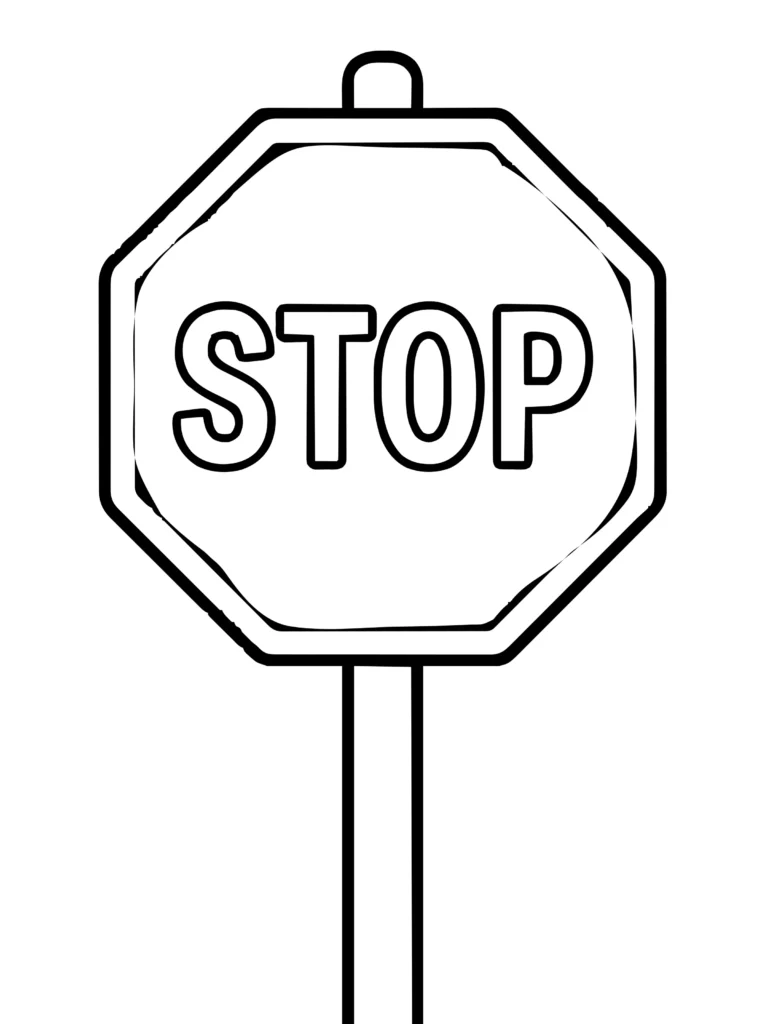
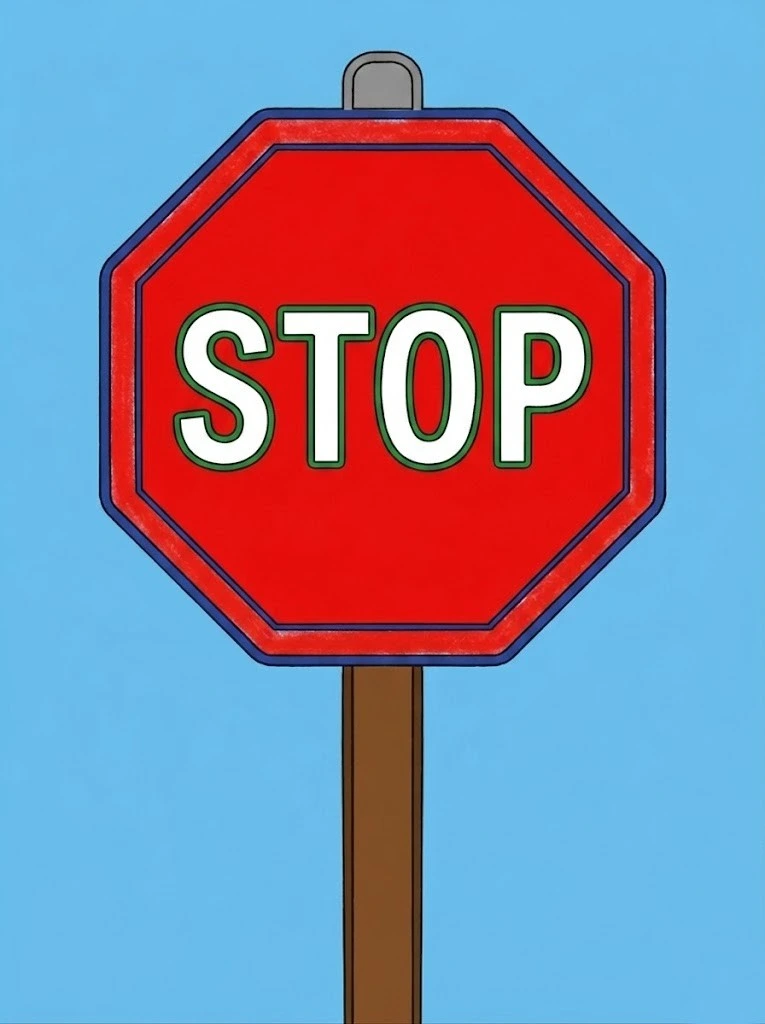
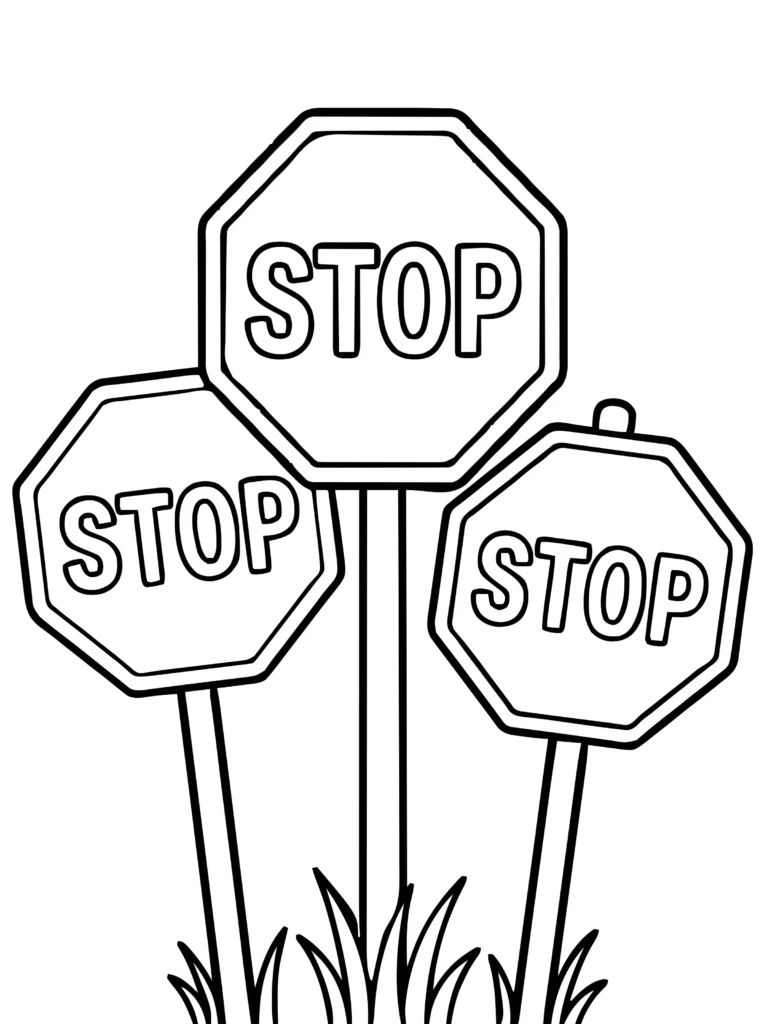
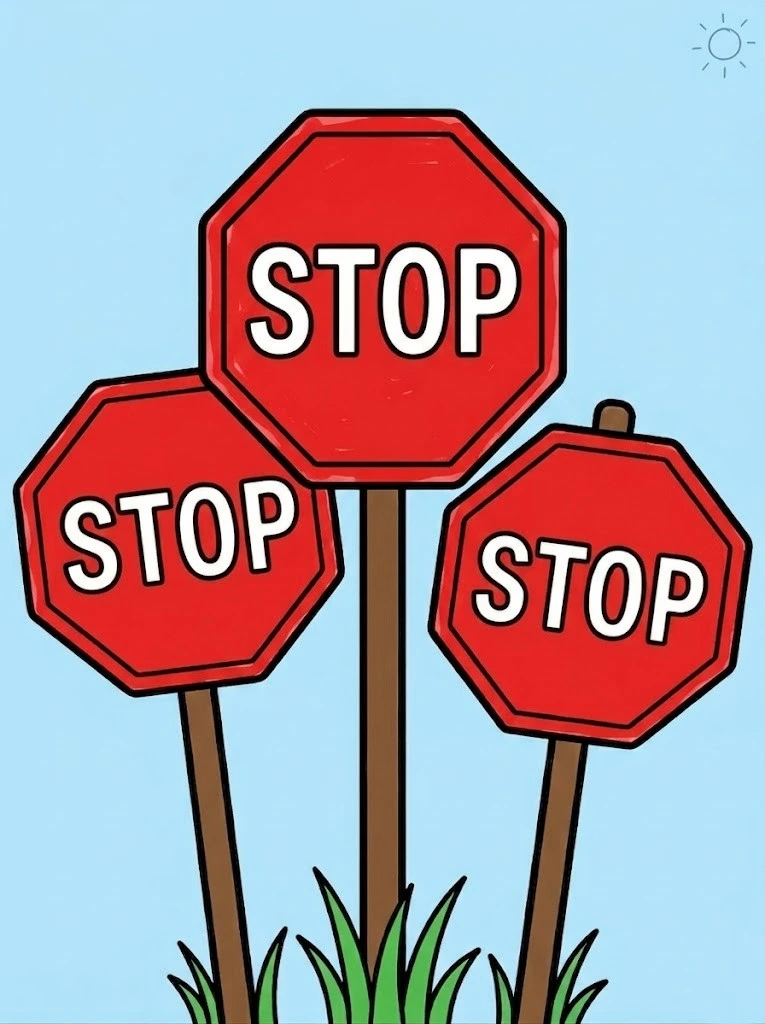
Red Stop Signs
Red is visible from farther away than any other color, which is exactly why stop signs are red — but they weren’t always. In the early days of driving, stop signs came in yellow and black before red was standardized in the United States in 1954.
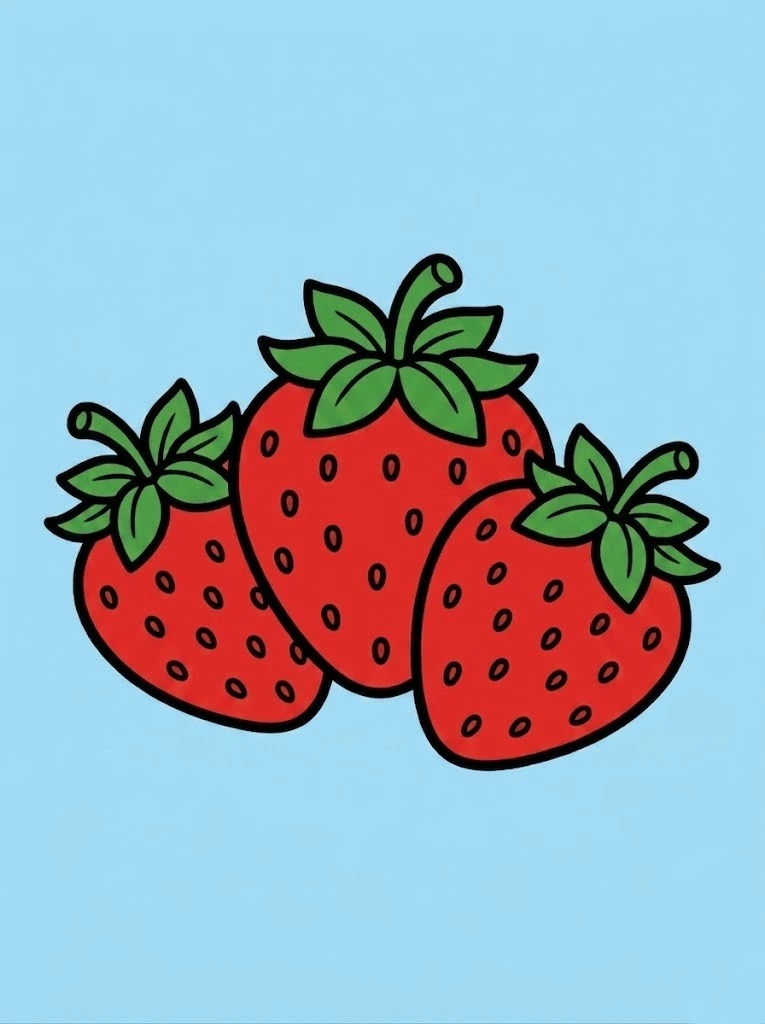
Red Strawberries
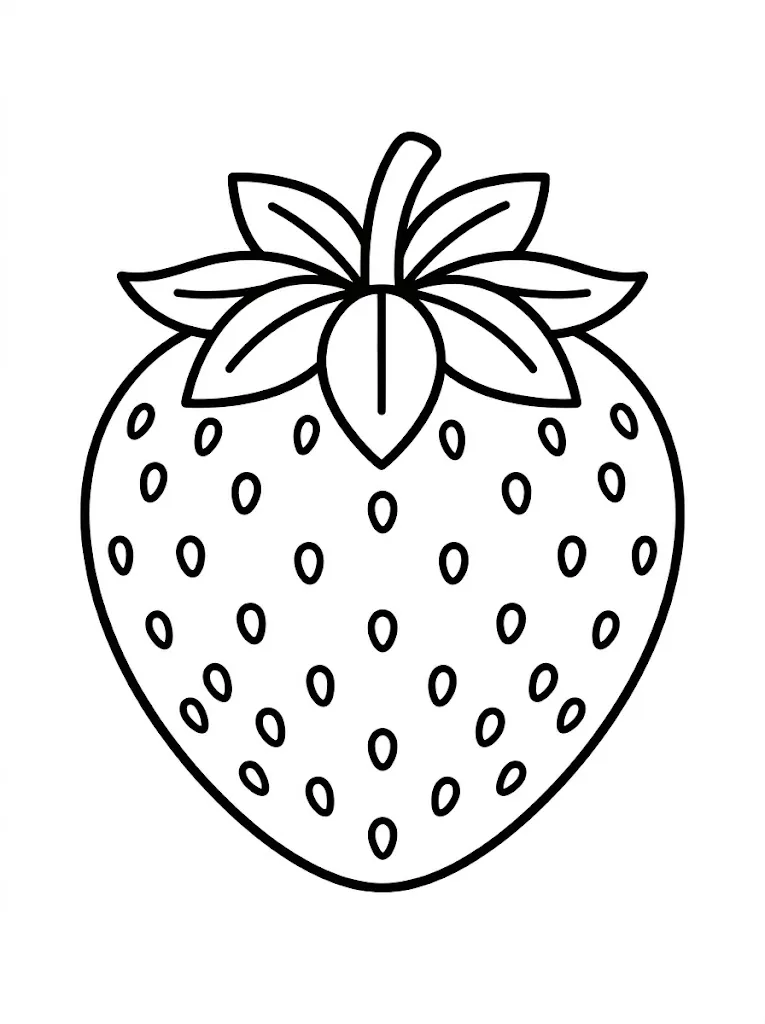
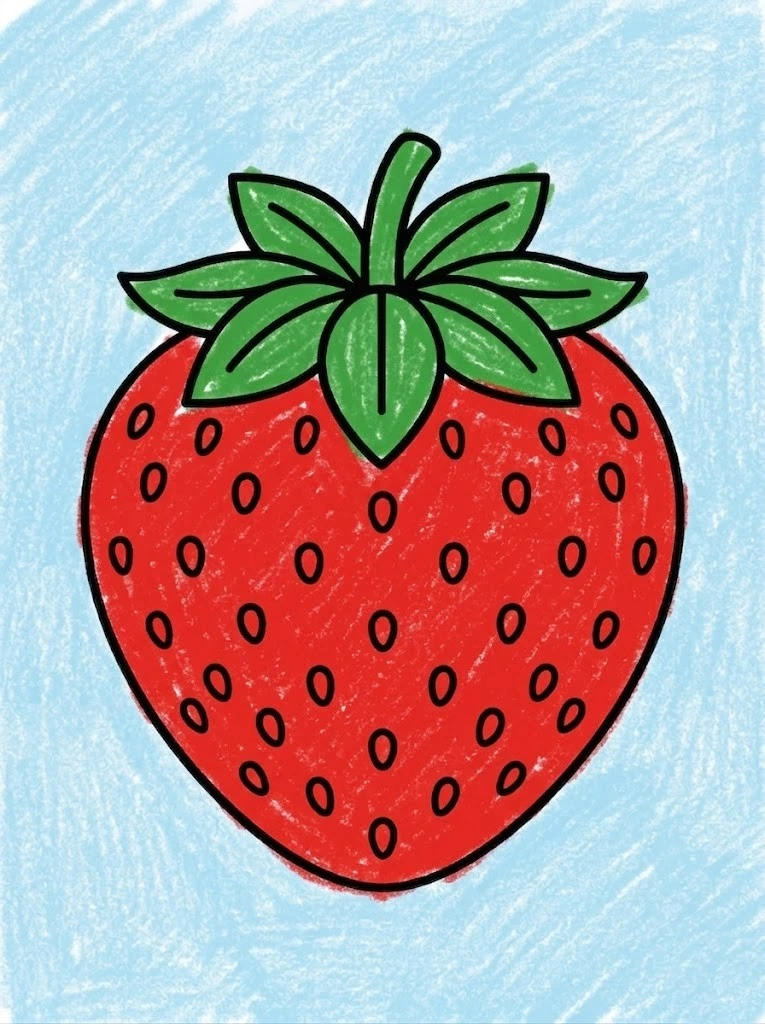
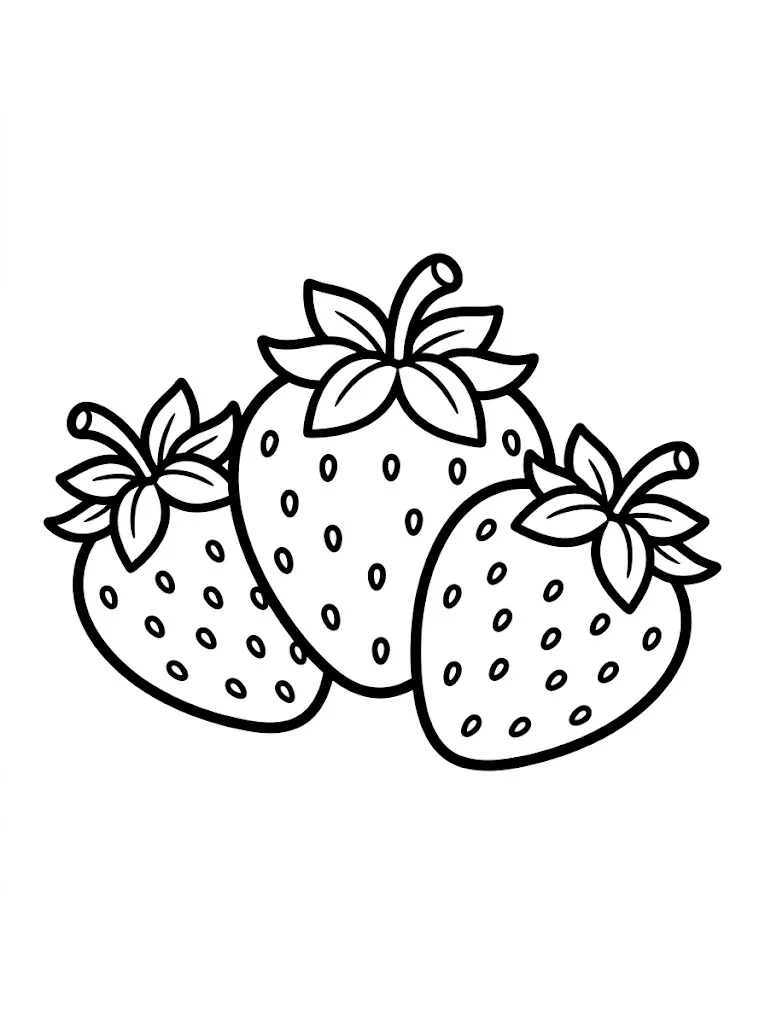
Strawberries turn red as they ripen because anthocyanin builds up in the fruit — essentially a signal to animals that it’s ready to eat and spread its seeds. The redder the strawberry, the riper it is.
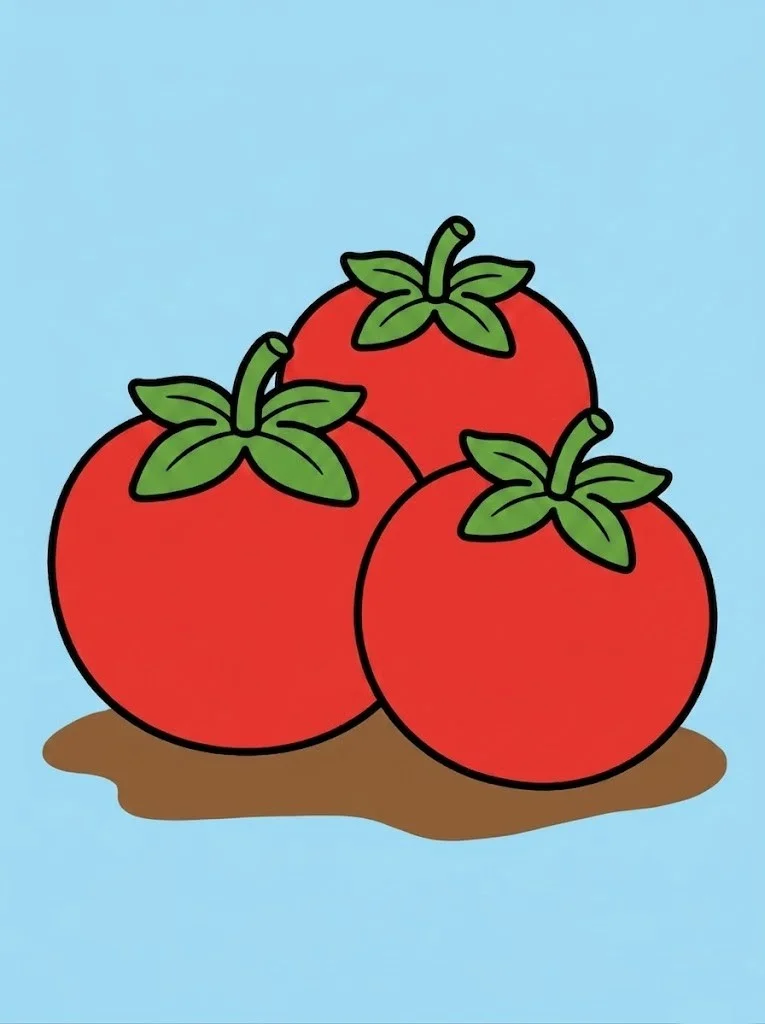
Red Tomatoes
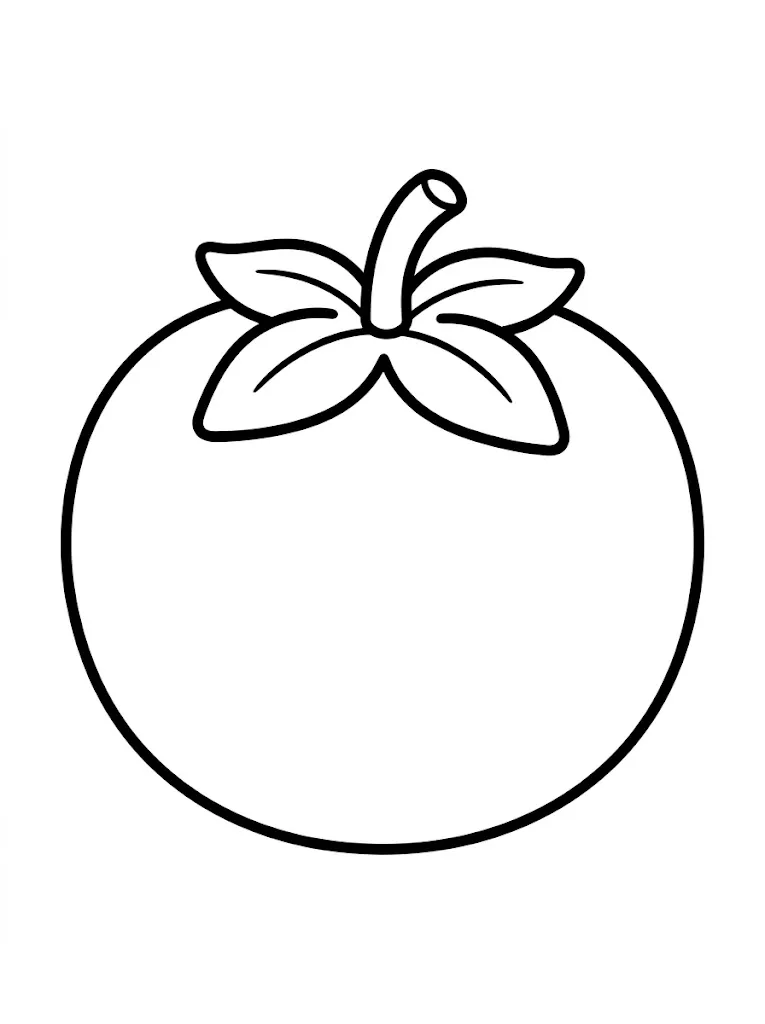
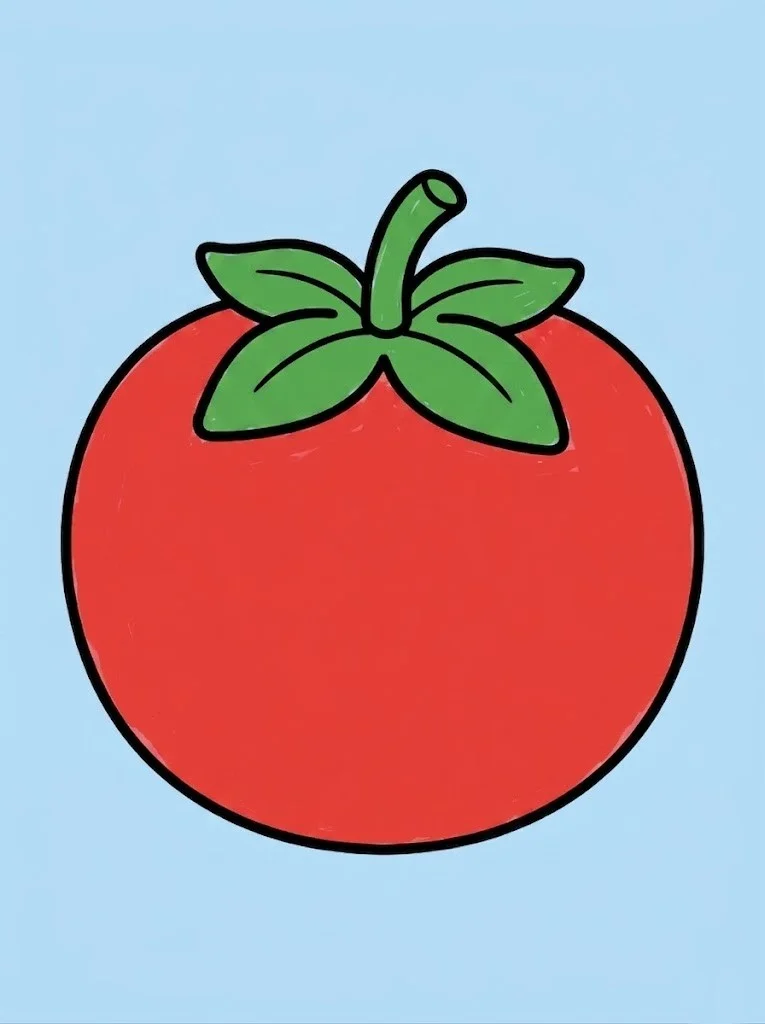
Cooking actually makes tomatoes redder — heat concentrates the pigment lycopene, which is why tomato sauce runs deeper and richer than a raw tomato. Your child is coloring the cooked version without knowing it.
Related Coloring Pages

Popular Coloring Pages

What Are Red Things?
Red things are objects that appear red because they absorb most wavelengths of light and reflect back only the long wavelengths our eyes read as red. Common red things include apples, strawberries, cherries, tomatoes, stop signs, fire trucks, cardinals, ladybugs, roses, and red balloons.
Red has the longest wavelength of visible light — approximately 620 to 750 nanometers — which is why it’s more visible from a distance than any other color. This isn’t a coincidence in nature. Ripe fruits like strawberries and cherries evolved to turn red as a signal to animals that they’re ready to eat. Ladybugs evolved red as a warning that they’re toxic. Even the red cardinal’s bright color is communication — males use it to attract mates. In the natural world, red almost always means something.
Your child encounters red things constantly, often without realizing how many there are. At breakfast: strawberries, tomatoes, ketchup, maybe a red cup. On the way to school: stop signs, traffic lights, red cars. In the garden or at the grocery store: apples, cherries, red peppers, roses. Once you start pointing them out together, it becomes a kind of game — and that game is exactly how color words stick. Try a red hunt before dinner tonight and see how many you can find between the front door and the kitchen.
How to Teach Your Child the Color Red
Red is typically one of the first colors children learn to name correctly, usually by age two and a half to three. That’s not an accident — red is also the first color the human eye can detect in infancy, so there’s a built-in familiarity with it that makes the word “click” earlier than colors like purple or orange. If your two-year-old isn’t naming red yet, that’s normal. If your four-year-old still isn’t, it’s worth a gentle conversation with their pediatrician, but most children are well ahead of that milestone.
The objects on these pages were chosen deliberately. The red apple works because most children have touched one, tasted one, and held one — the coloring page connects a color word to a real sensory memory, not an abstract concept. The stop sign works because children see it every single day, and they already know it means something important before they know its color. Coloring a red stop sign isn’t just an art activity; it’s reinforcing a connection that already exists in your child’s experience. The more familiar the object, the faster the color word attaches.
Beyond the coloring page, a few specific things will speed up red recognition. Put a red apple and a green apple side by side at snack time and ask which one is red — the contrast between two apples makes the color word land faster than any worksheet. When you’re in the car, point out stop signs and say “red stop sign” rather than asking “what color is that?” — children understand color words receptively (hearing them in context) several months before they can produce them independently. And when you hand your child something red — a cup, a crayon, a piece of fruit — name the color as you do it: “here’s your red cup.” That repetition in real moments is what makes it stick.
4 Ways to Make These Red Coloring Pages Into a Full Activity
The Red Kitchen Safari
Before or after coloring the red apple or red tomato page, send your child into the kitchen to find every red thing they can. Apples, tomatoes, strawberries, ketchup, a red mug, a red dish towel — they all count, and the variety shows your child that red comes in many shades, from bright cherry red to deep burgundy. Count them together and see if you can beat your record tomorrow.
The Ladybug Wing Reveal
After coloring the ladybug page, tell your child the secret: the red shell isn't its wings — the real wings are hidden underneath. Look up a short video of a ladybug opening its shell and flying. Then go back to the coloring page and see if your child wants to draw the hidden wings under the shell. It turns a simple coloring page into a small science moment.
Add a red-specific anchor
Before tasting, ask your child to rank them from lightest red to darkest red — the strawberry, the apple, and the cherry all land in different places on the red spectrum. It's the first time most children notice that red isn't one color, it's a range.
The Stop Sign Game
On the way to school or the grocery store, challenge your child to spot every red thing before you arrive. Count stop signs separately — and when they find one, say 'red stop sign' together out loud. Children understand color words in context months before they can produce them independently; this game is that context.
Frequently Asked Questions (FAQs)
What is the first color babies can see?
Red is the first color babies can see — their developing eyes can detect it as early as two to four months old, before they can distinguish any other hue. This happens because red light has the longest wavelength in the visible spectrum, which stimulates the eye’s cone cells most effectively at that early stage of development. By the time your toddler is sitting down to color a red apple, red has been part of their visual world longer than any other color.
What are some red things for kids to color?
The most effective red things for young children to color are objects they already know and encounter regularly — apples, strawberries, stop signs, and hearts tend to work best because the color-object connection already exists before they sit down. Ladybugs, cardinals, cherries, tomatoes, balloons, roses, and crayons are all strong choices too. The more familiar the object, the faster the color word attaches.
How do I teach a toddler to recognize the color red?
Name red things in the moment rather than quizzing your child about them — say “here’s your red cup” or “look at that red stop sign” rather than asking “what color is this?” every time. Children understand color words several months before they can say them independently, so consistent naming in real contexts builds recognition faster than worksheets alone. Pairing the word with a specific familiar object — “red apple” rather than just “red” — is the most reliable way to make the color word stick.
Is red a primary color?
Yes, red is one of the three primary colors in traditional color theory, along with yellow and blue. Primary colors can’t be made by mixing other colors together — they’re the starting point for everything else. Red is also the primary color that most children learn to name first, which means teaching red isn’t just teaching one color; it’s laying the foundation for how your child will understand all color mixing going forward.
Why is red the color of stop signs?
Red is the color of stop signs because it’s visible from farther away than any other color — it has the longest wavelength of visible light, which means your eye picks it up at greater distances. Stop signs weren’t always red; in the 1910s and 1920s they came in yellow and black before red was standardized across the United States in 1954.
The ladybug’s hidden wings, the stop sign’s surprising history, the apple that gets its color from sunshine — there’s more going on in a box of red crayons than most of us realize. If your child is working through all the colors, our learning colors hub is a natural next step — it has coloring pages and teaching guides for every color in the spectrum. When you’re ready to move to the next color, our pink things coloring pages are a close neighbor to red and a gentle transition for young learners. You can also jump ahead to our orange things coloring pages, which covers another color children typically learn early.