Blue Things Coloring Pages for Kids — Learn the Color Blue
Blue is the most popular color in the world — not just in one country, but across every global survey ever conducted, including a 2025 Crayola vote spanning 183 nations where the top two winning colors were both shades of blue. So when your toddler points at the sky and says "blue!" for the first time, they've just named humanity's collective favorite. These nine free printable coloring pages are built for that moment — giving parents and teachers a structured, conversation-starting activity to help children aged 2–6 connect the word "blue" to things they already know: a whale, a butterfly, a balloon, blueberries, a rain boot, a kite, an ocean wave, a blue jay, and a crayon. Each one comes with a fact worth saying out loud.
More Coloring Pages For Learning Colors
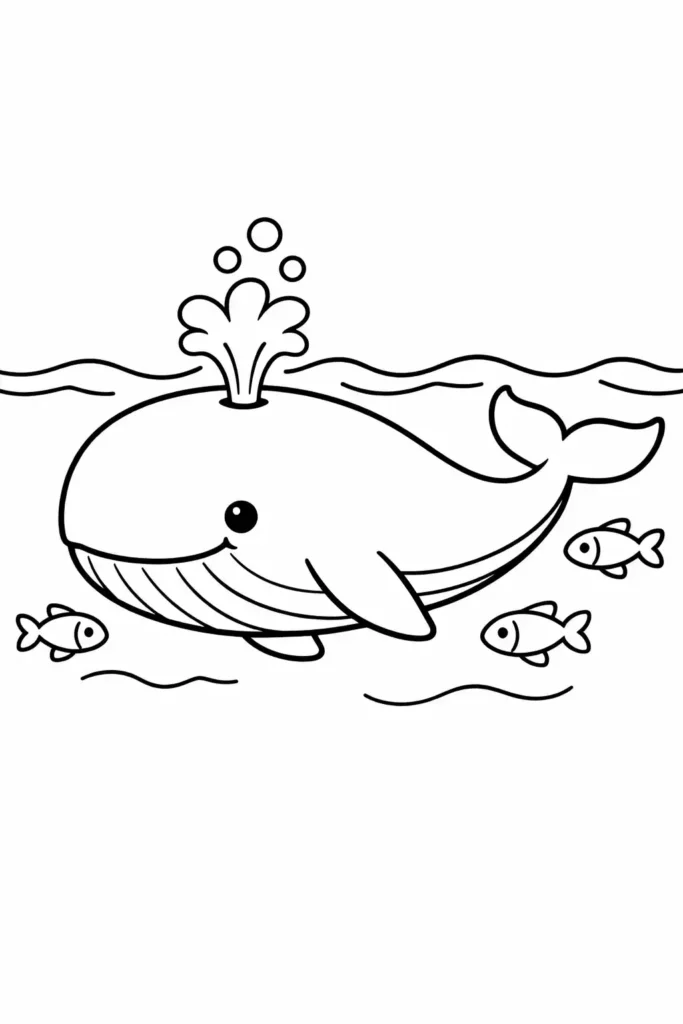
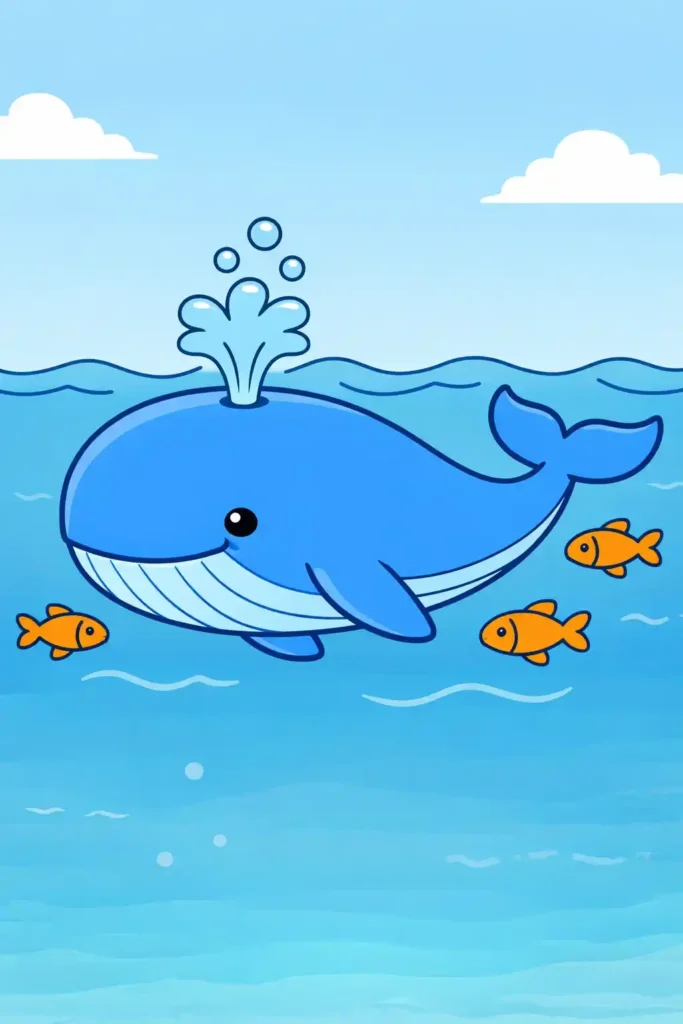
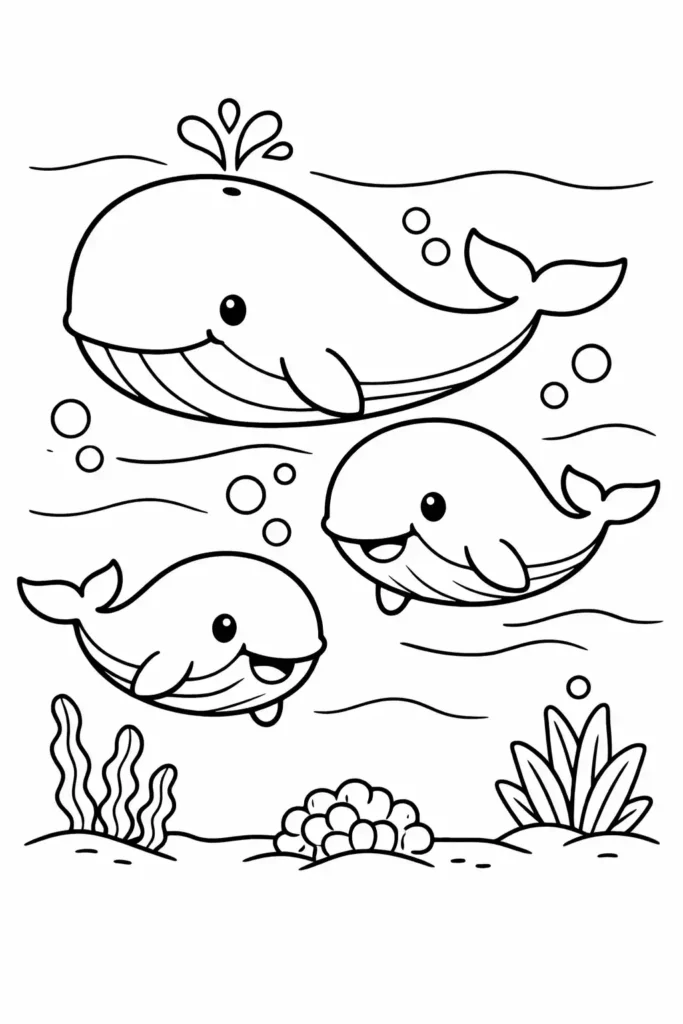
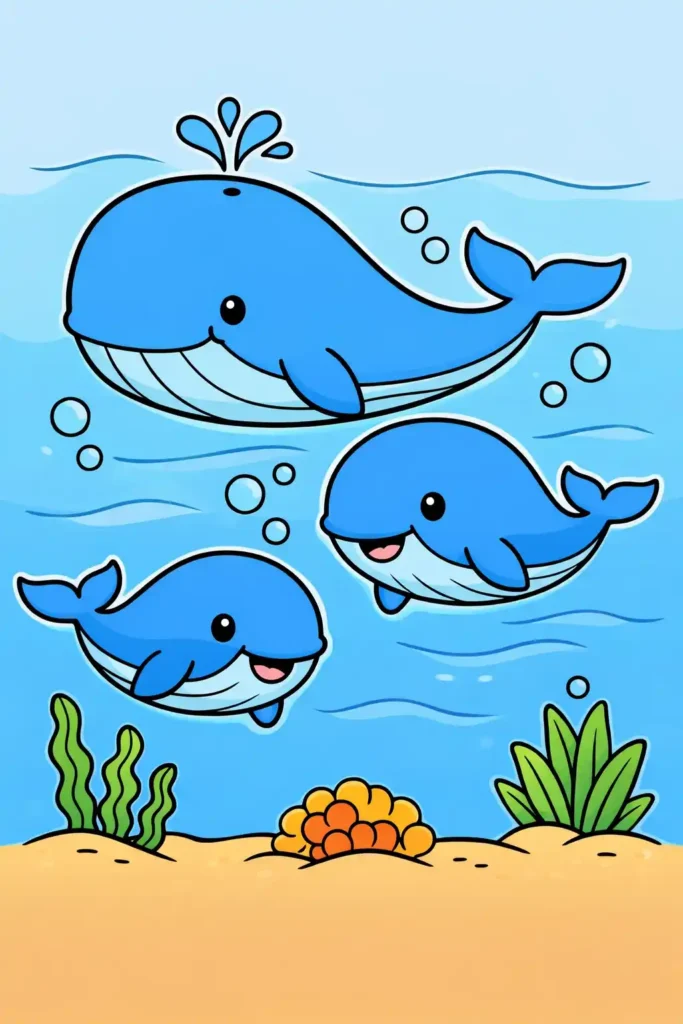
Blue Whales
Blue whales aren’t actually blue — their skin is mottled gray, and only looks blue underwater because water filters out red and orange light, leaving blue to reflect off their pale skin. While coloring, try: “Should we color it blue like its name, or gray like it really is?”
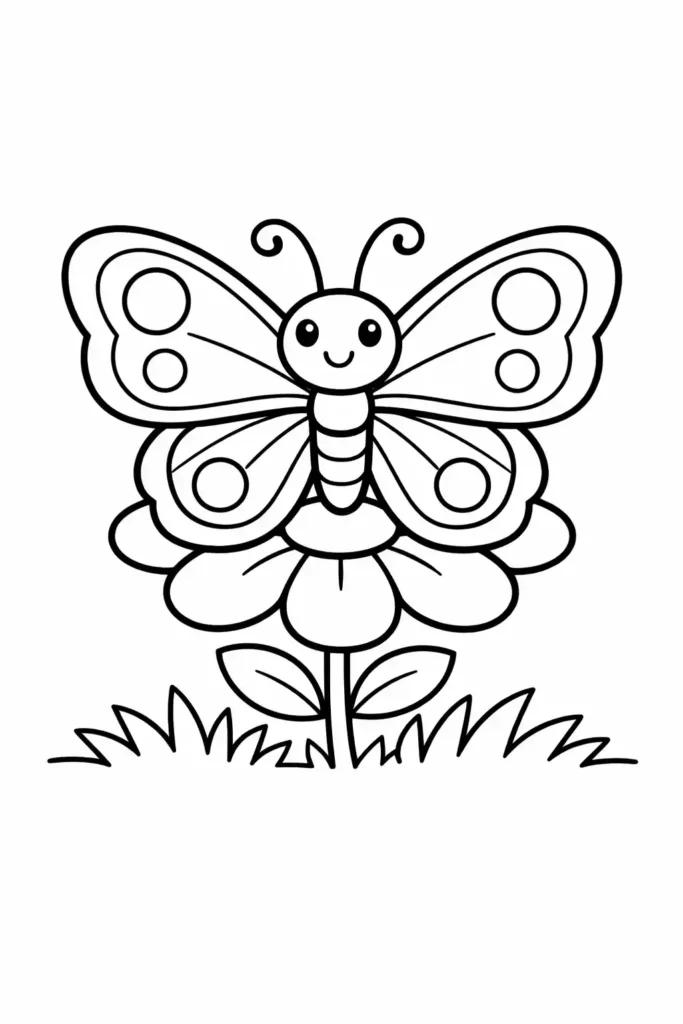
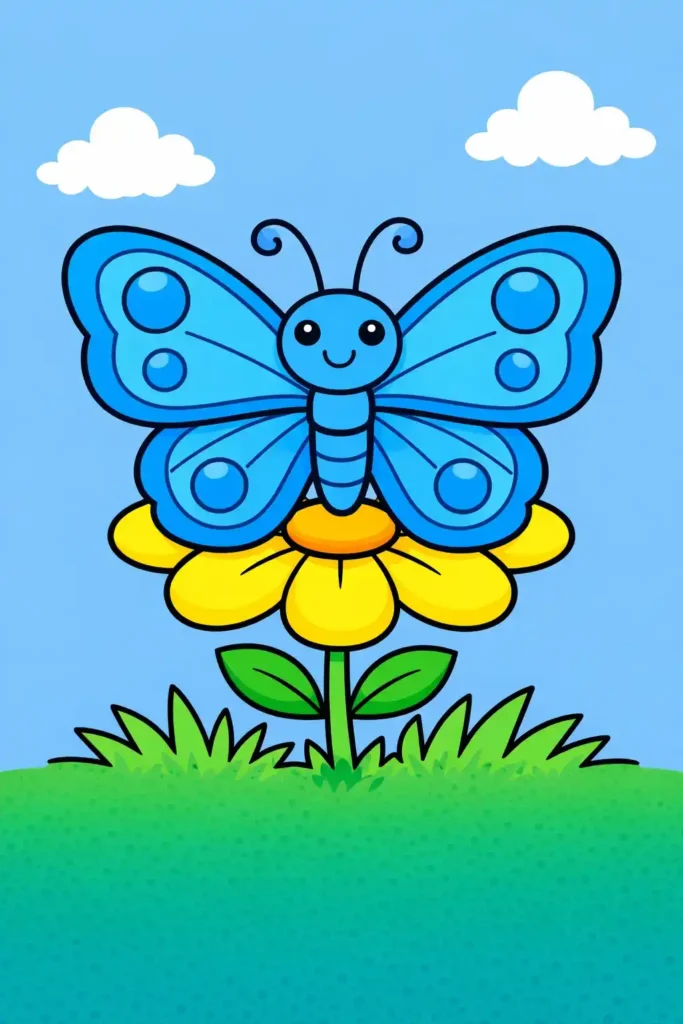
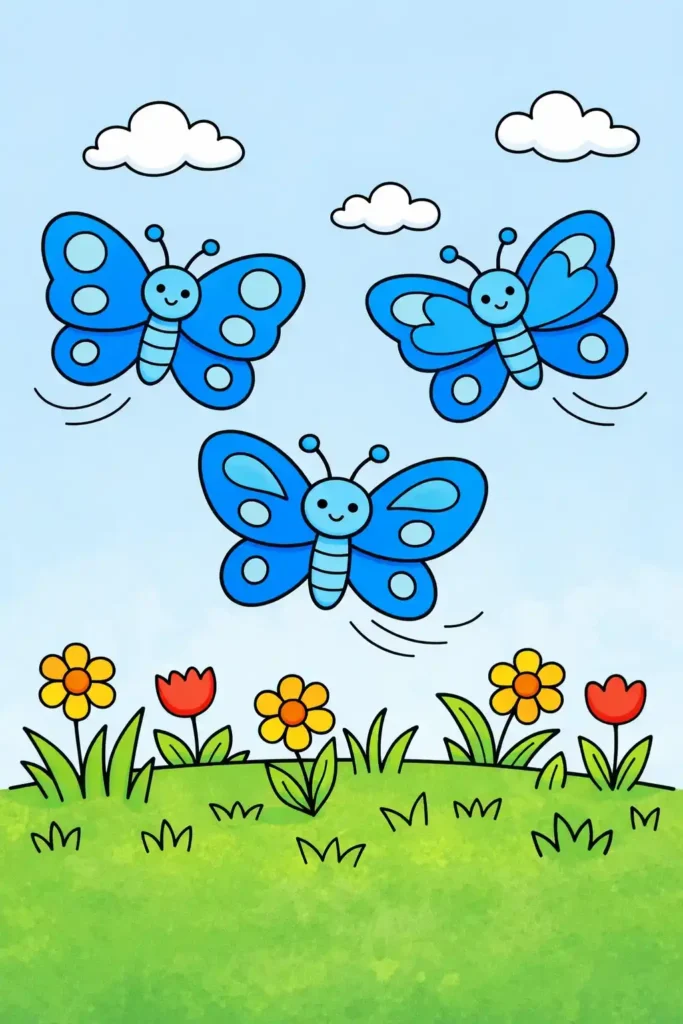
Blue Butterflies
Your little one might not know that a blue butterfly has no blue pigment at all — its wings are covered in microscopic ridges that bounce light back as blue, and if those ridges are crushed, the blue vanishes completely. Ask them to press gently on their crayon and notice how the color changes shade.
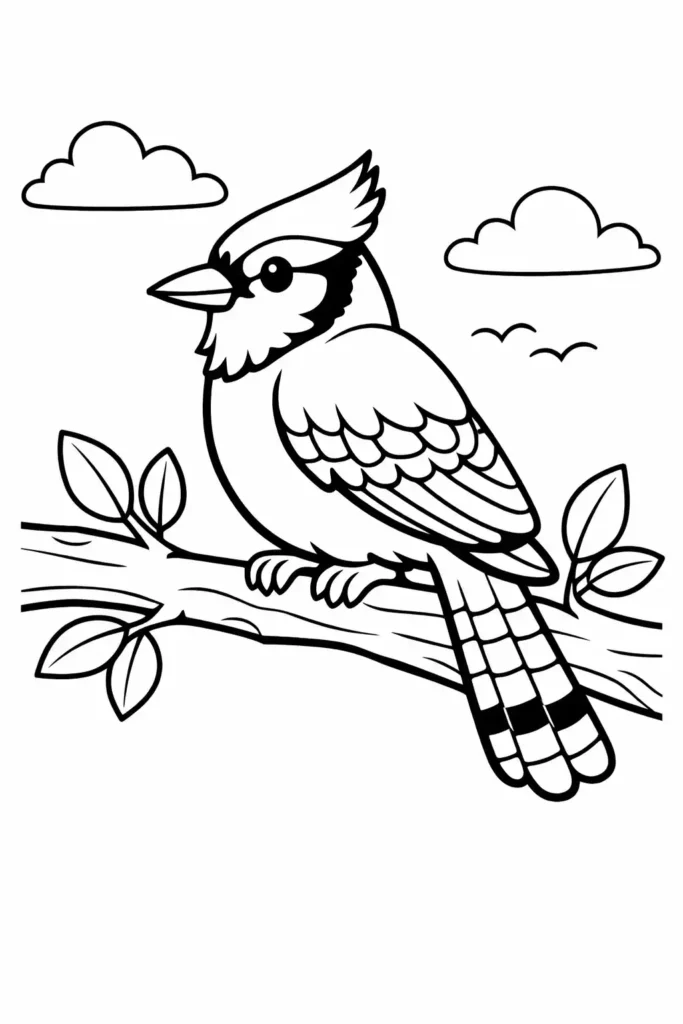
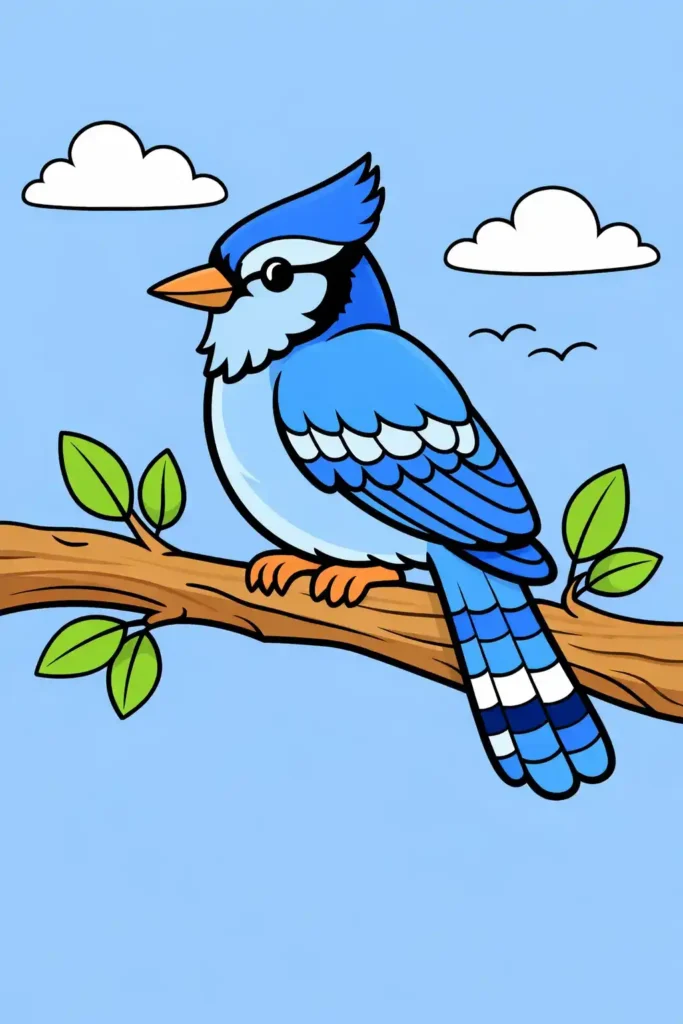
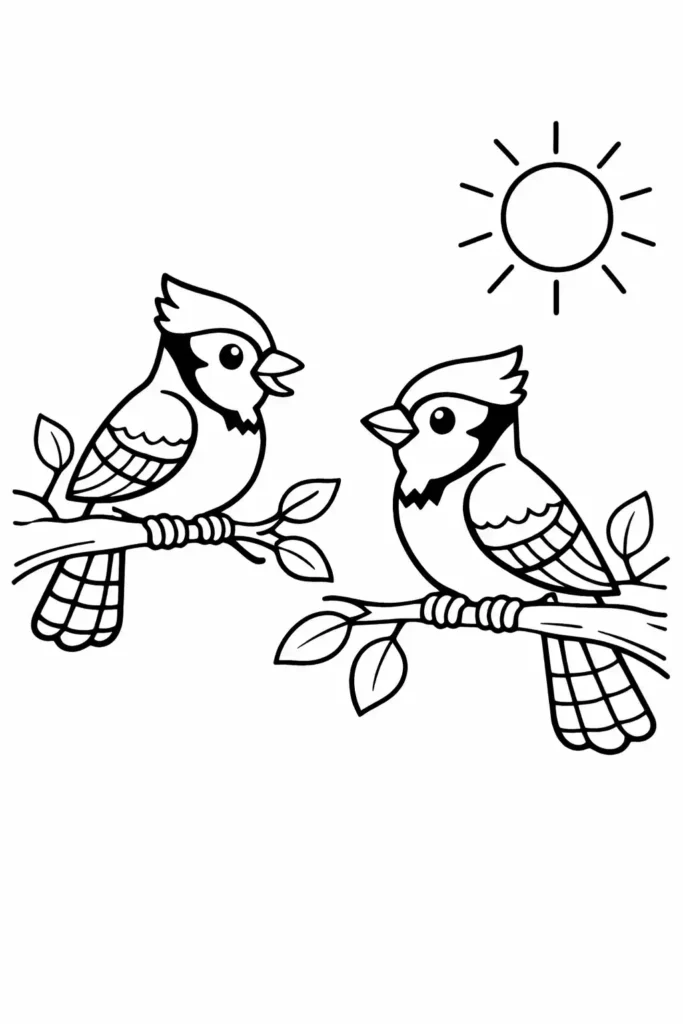
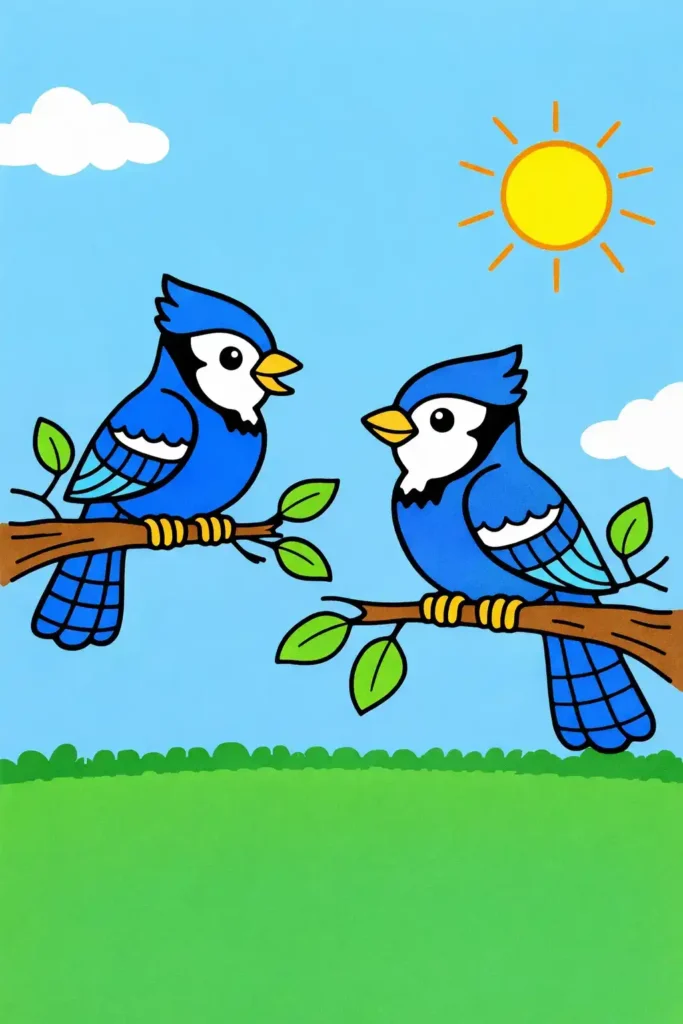
Blue Jays
Have you ever wondered why a blue jay feather looks brown when you hold it up to a flashlight? The feather’s pigment is actually brown melanin — tiny air pockets inside each feather scatter light so that only blue bounces back to your eye. It’s the same trick that makes the sky blue.
Blueberries
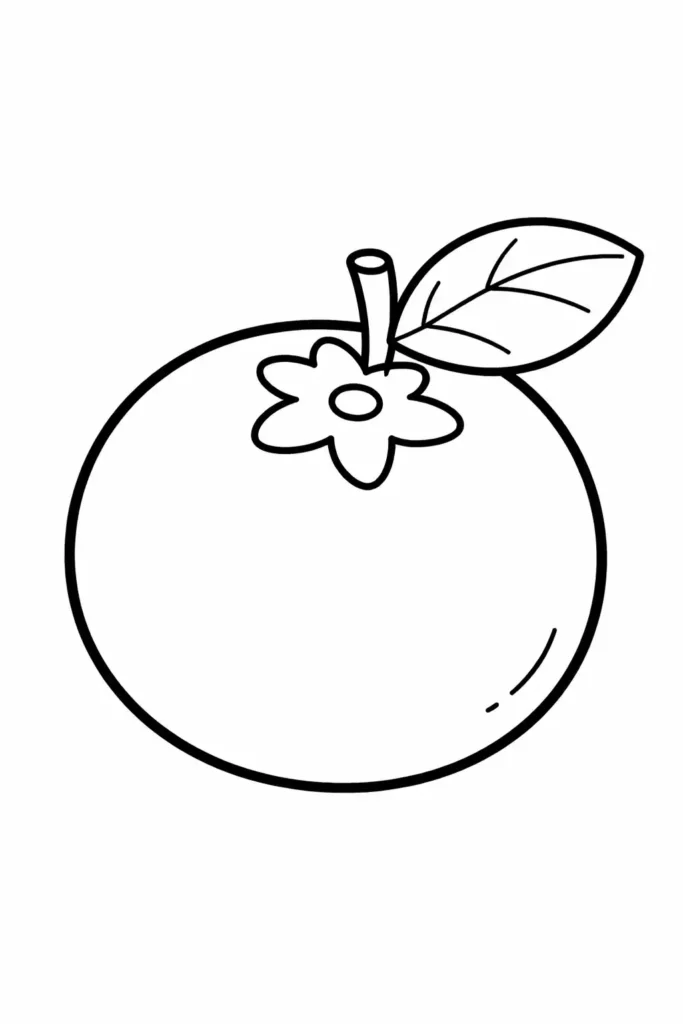
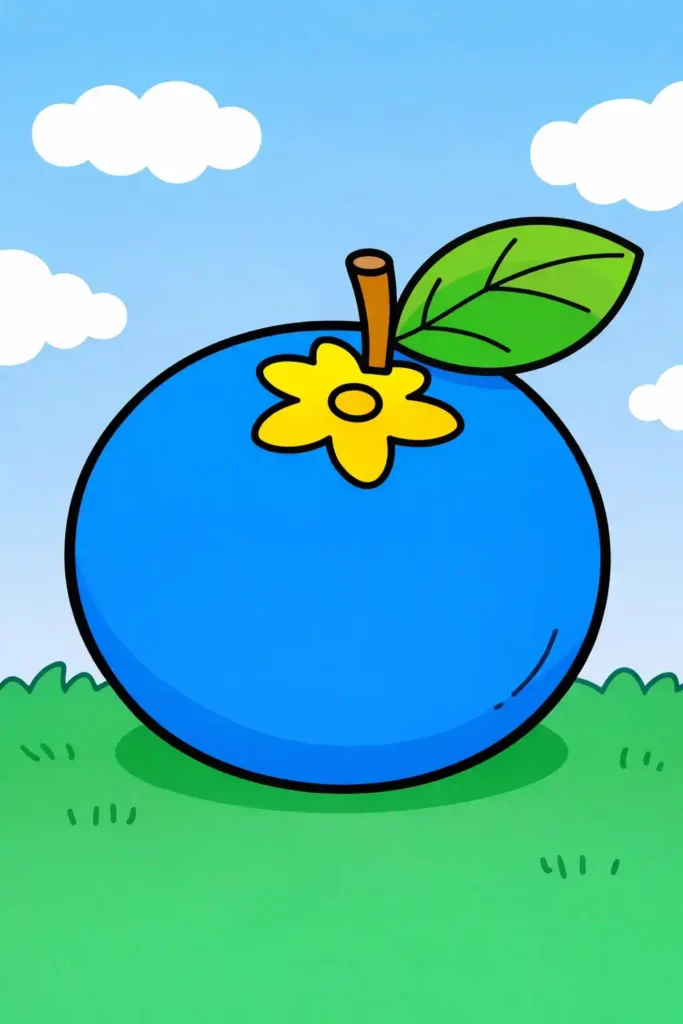
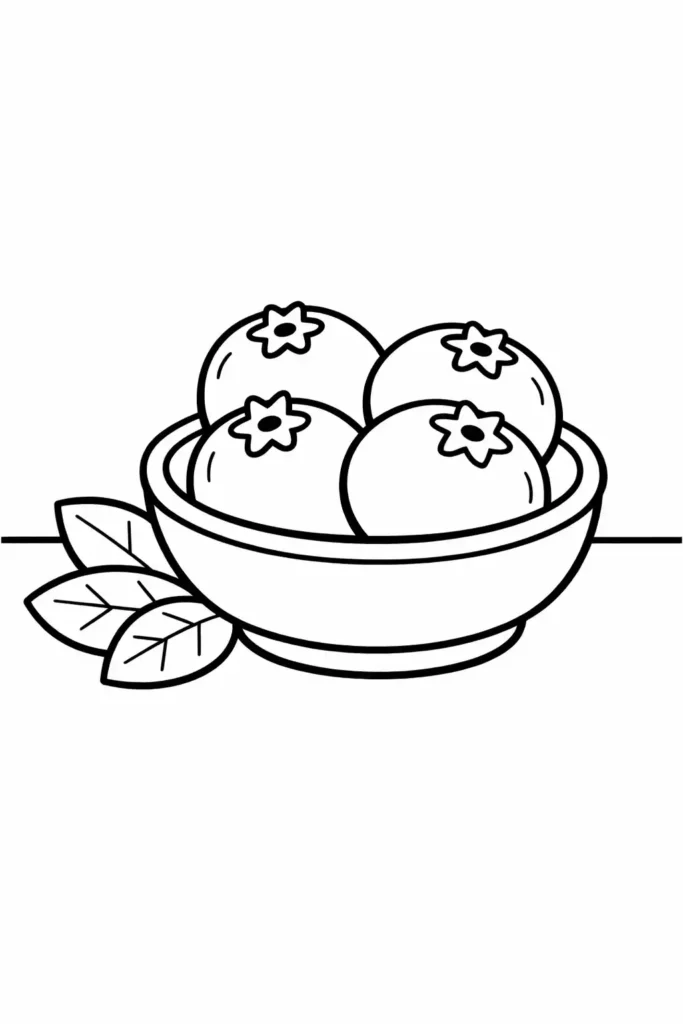
Blueberries use two tricks at once to look blue: a pigment called anthocyanin that shifts between red, purple, and blue depending on soil acidity, plus a thin waxy coating on the skin that scatters blue light. Rub a blueberry on your finger before coloring this page — that blue smear is the wax coming off.
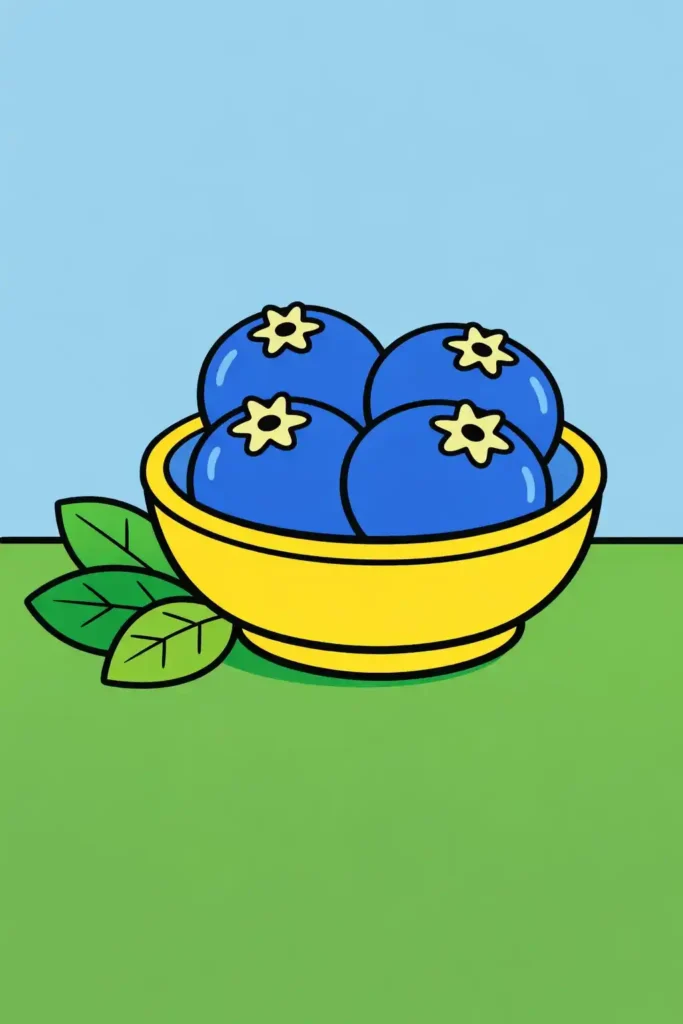
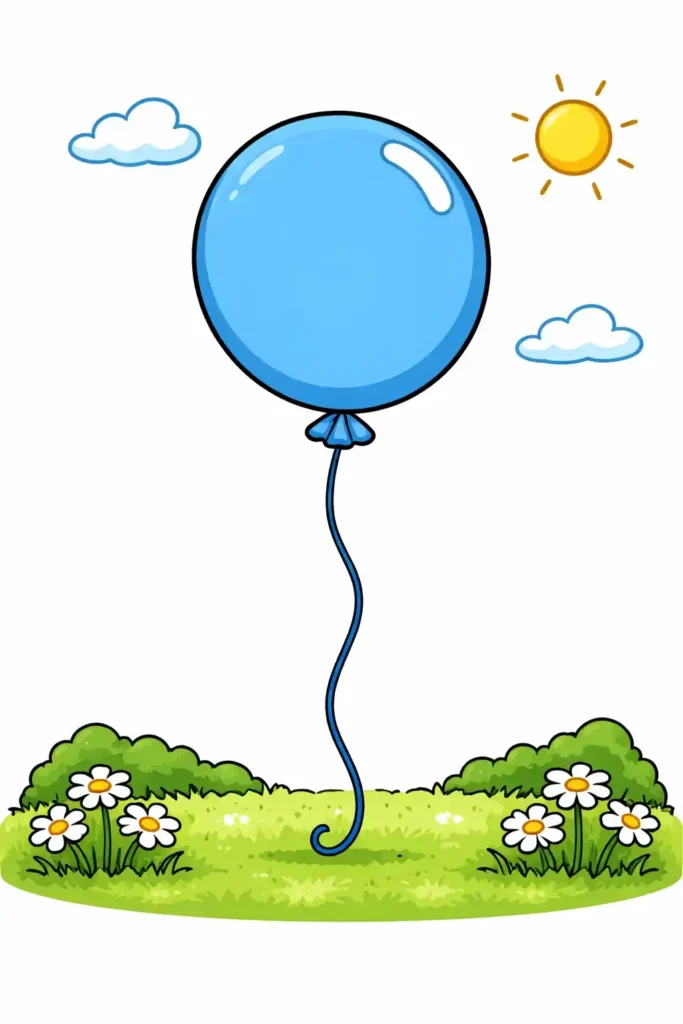
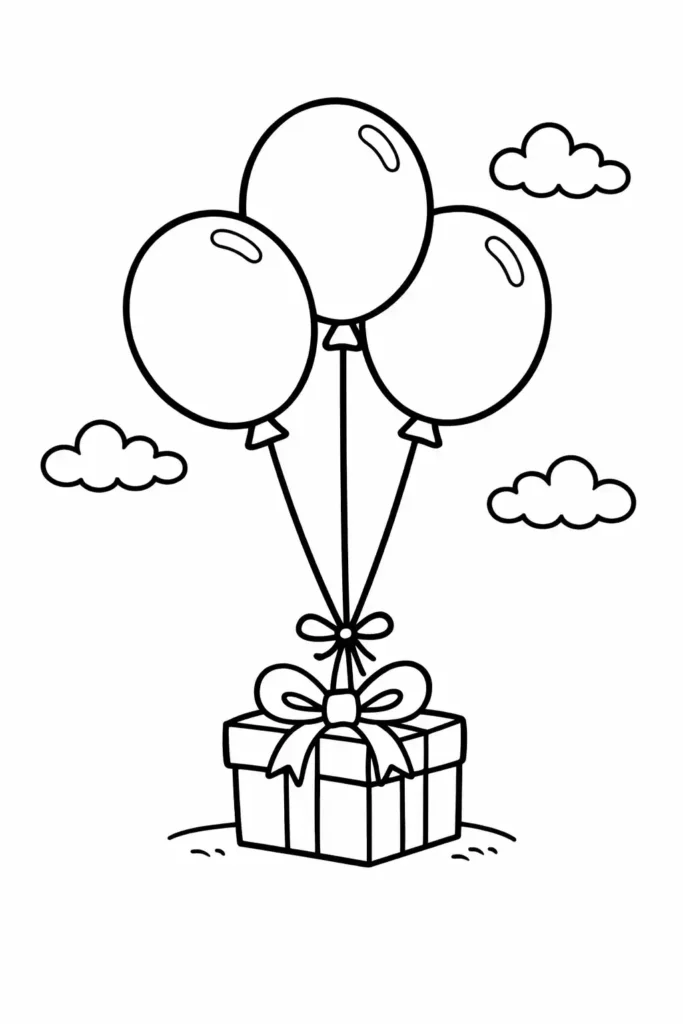
Blue Balloons
Unlike the blue of butterflies or blue jays, a balloon’s color is straightforward pigment — dye molecules in the rubber absorb every wavelength except blue, which bounces back to your eye. Here’s a thing to try: blow up a blue balloon partway and notice the color looks slightly lighter as the rubber stretches thinner.


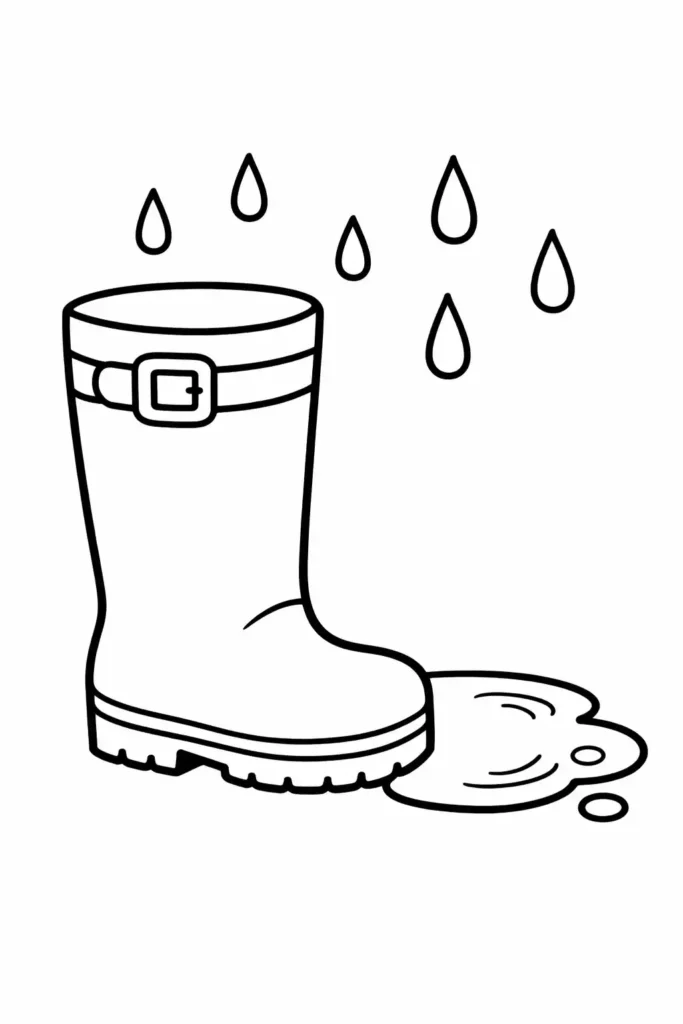
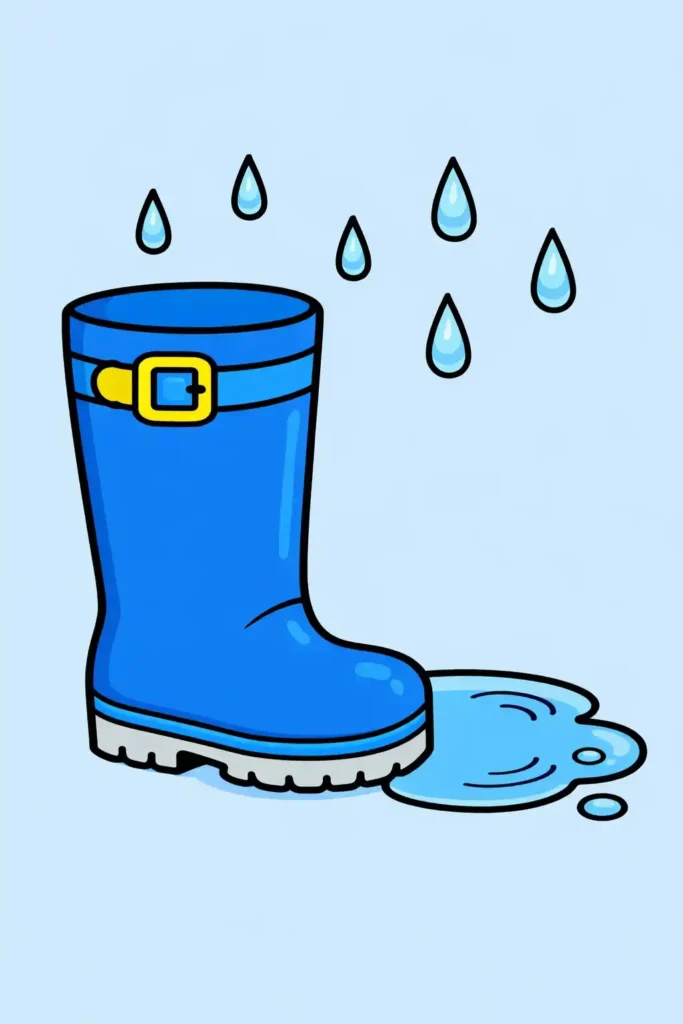
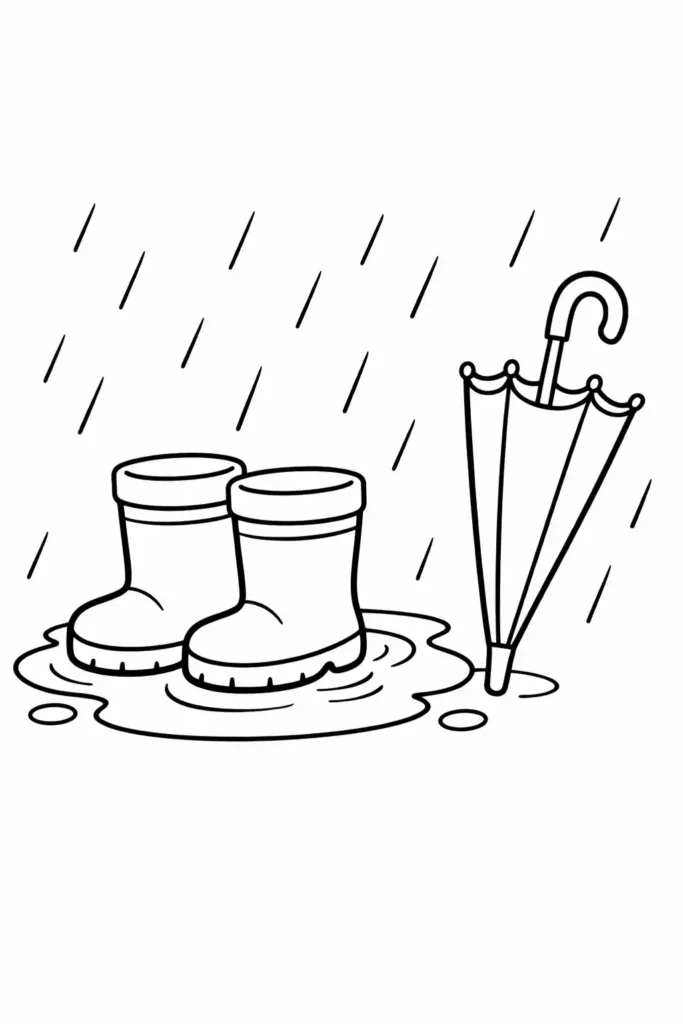
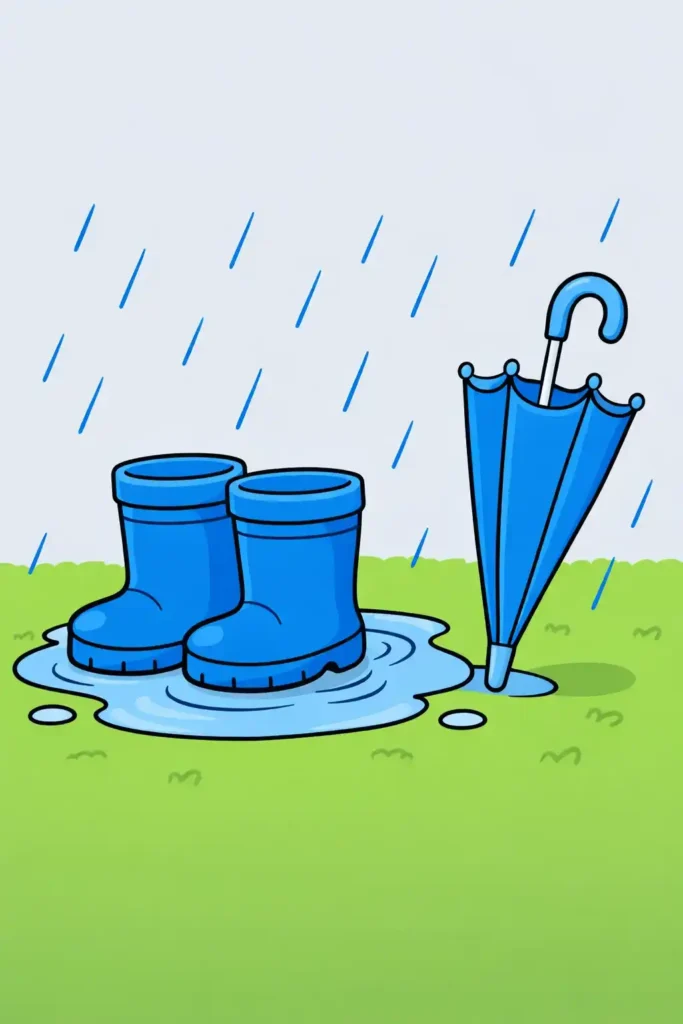
Blue Rain Boots
Rain boots are one of the easiest examples of pure pigment color — the rubber is dyed with colorfast pigment molecules that are stable in water and sunlight, which is why blue rain boots stay blue even after years of puddle-jumping. Ask your child what would happen if the dye washed out.
Blue Kites
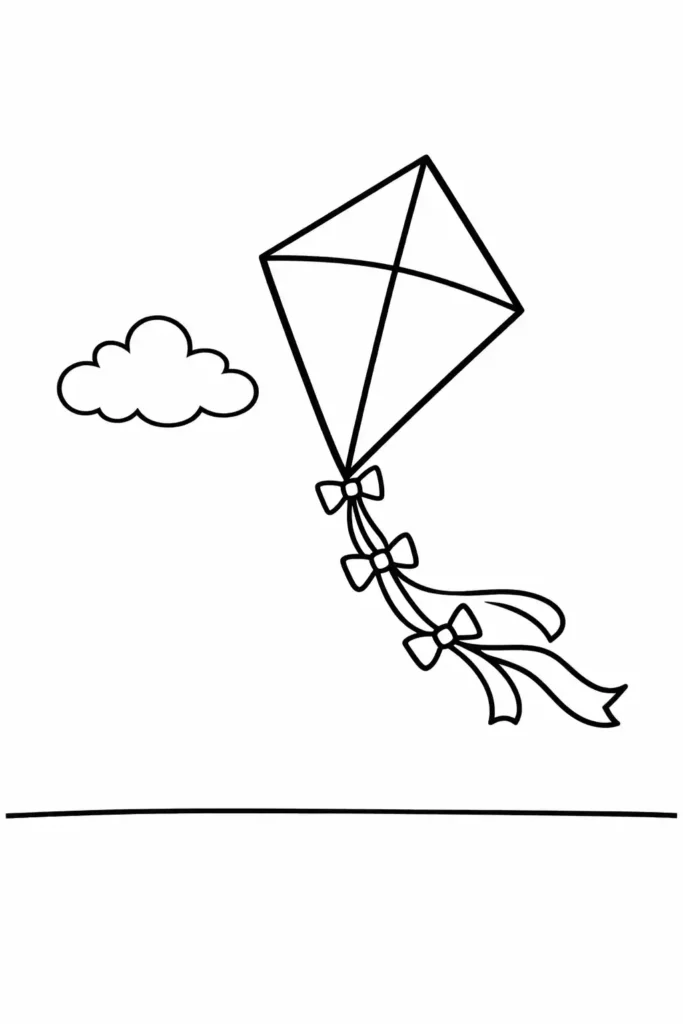
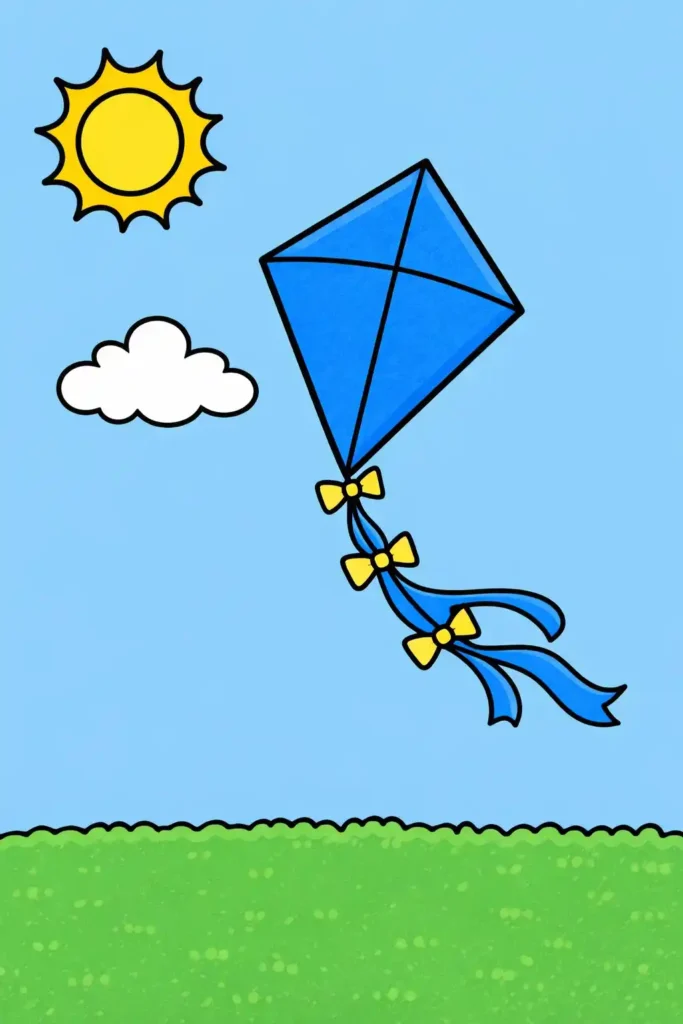
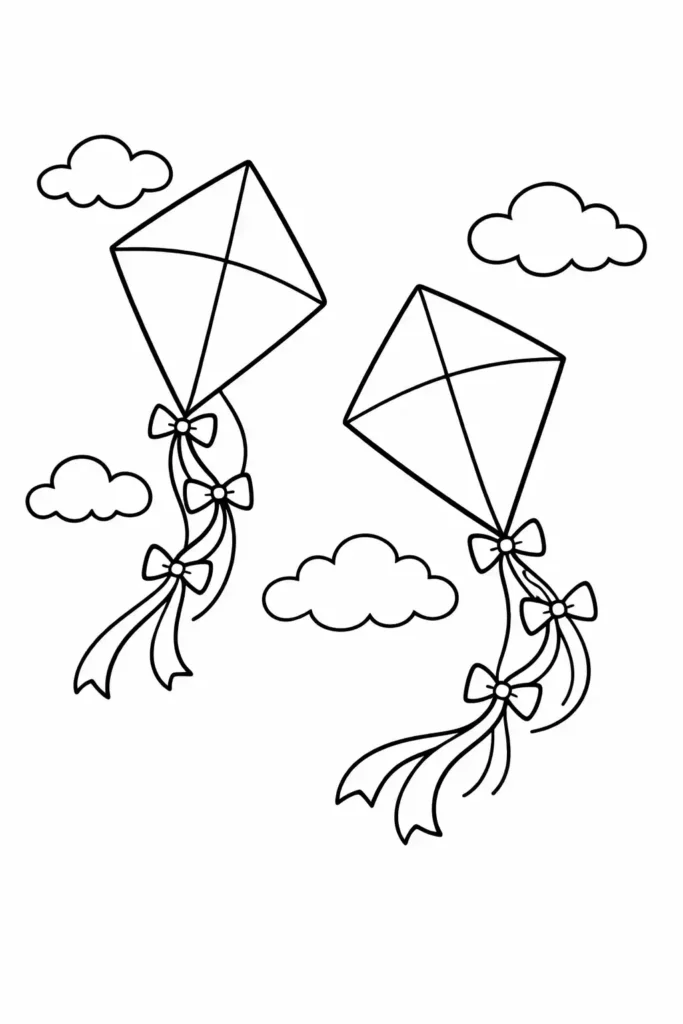
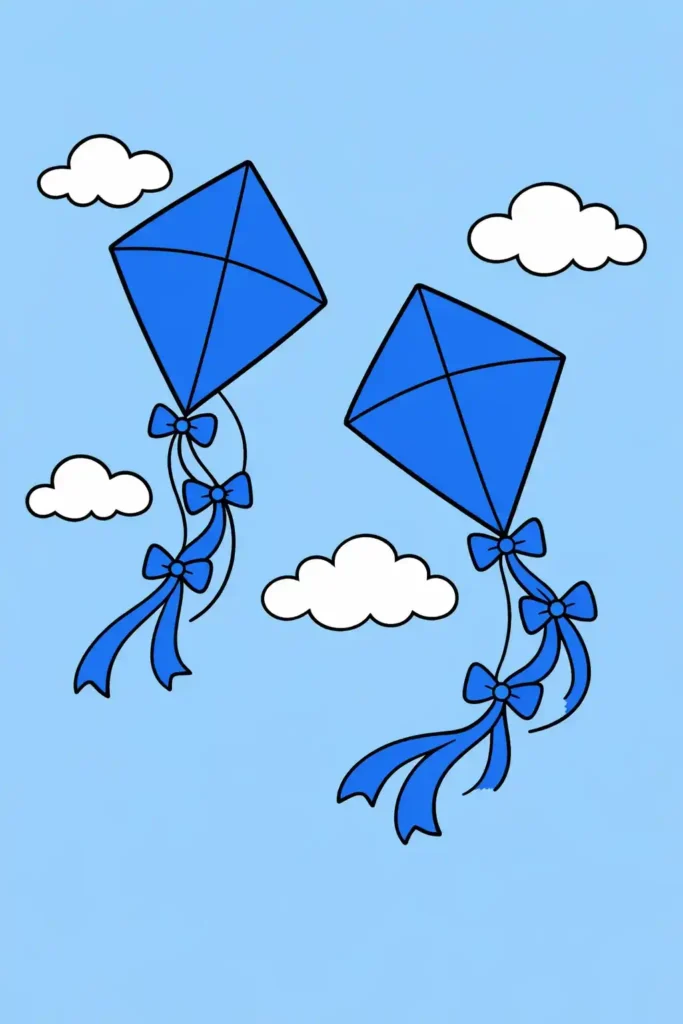
The word ‘kite’ comes from the bird that glides on the same air currents — but the color of a toy kite is pure pigment chemistry: blue dyes absorb every other wavelength and reflect back only blue. Ask your child to hold the kite page up to a window and see if the blue looks different in sunlight.
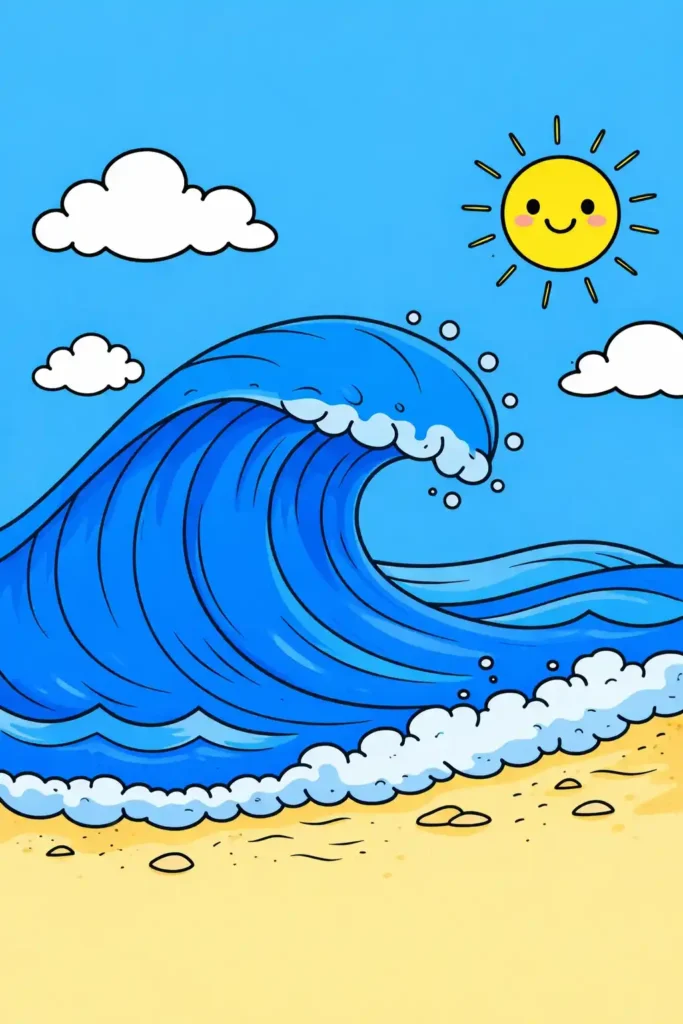
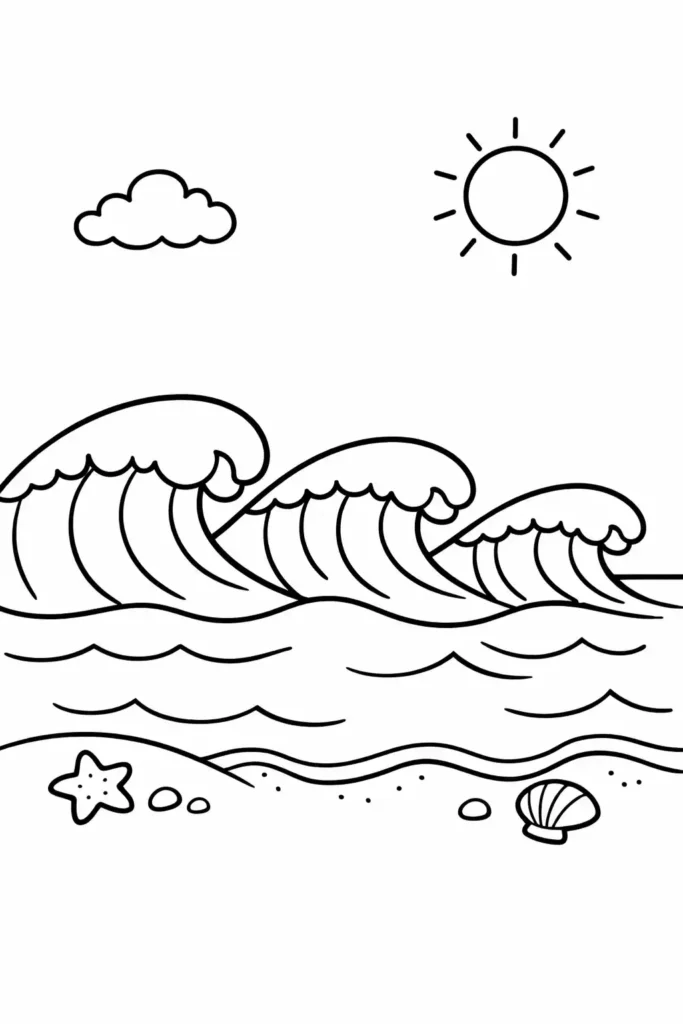
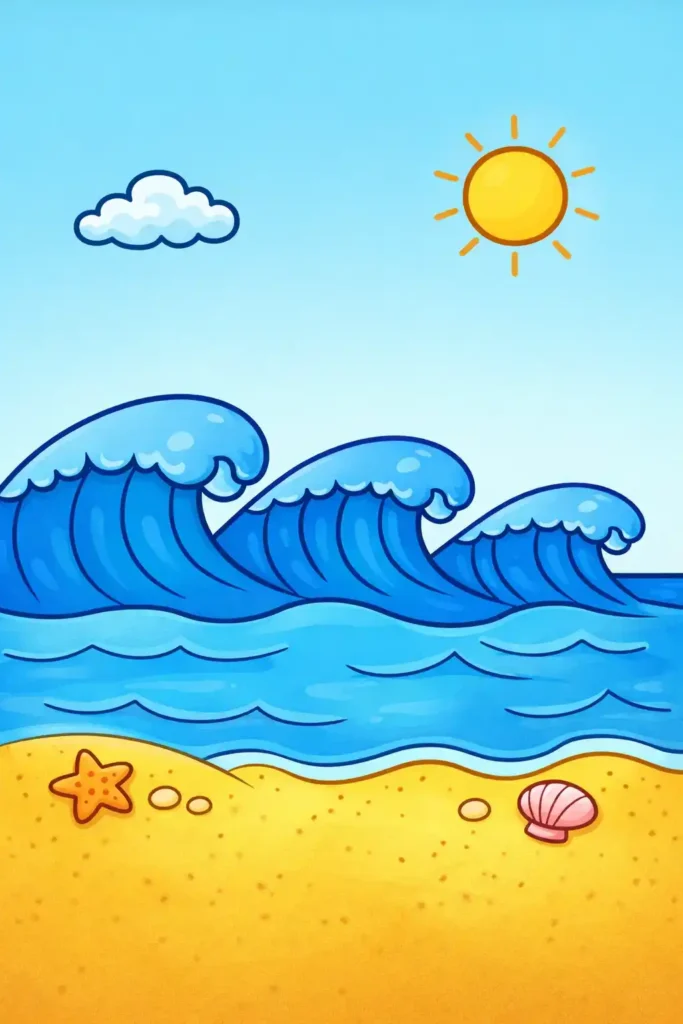
Blue Ocean Waves
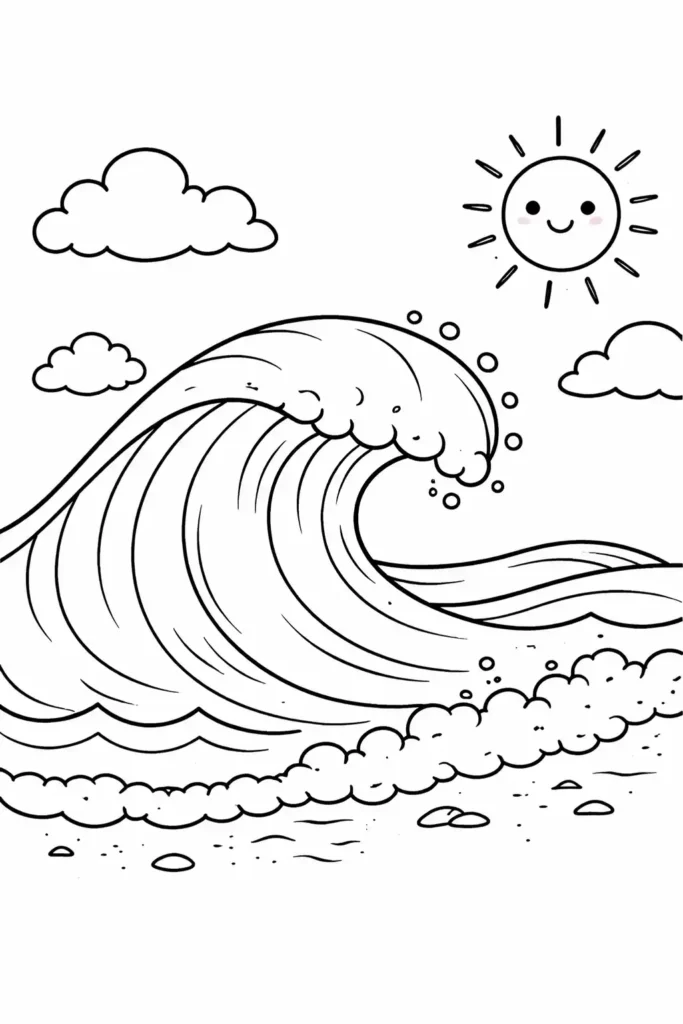
Start with the science here: the ocean looks blue because water molecules absorb red, orange, and yellow light and reflect blue back to our eyes — that’s the color of water itself, not just a reflection of the sky. The deeper the water, the bluer it gets, because every other color gets filtered out on the way down.
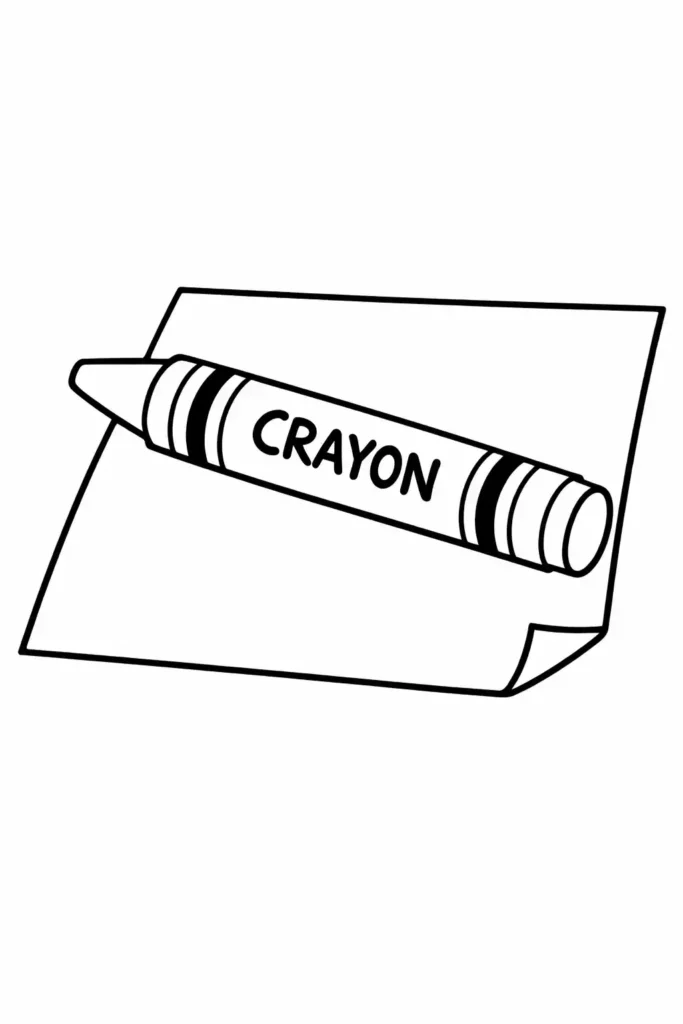
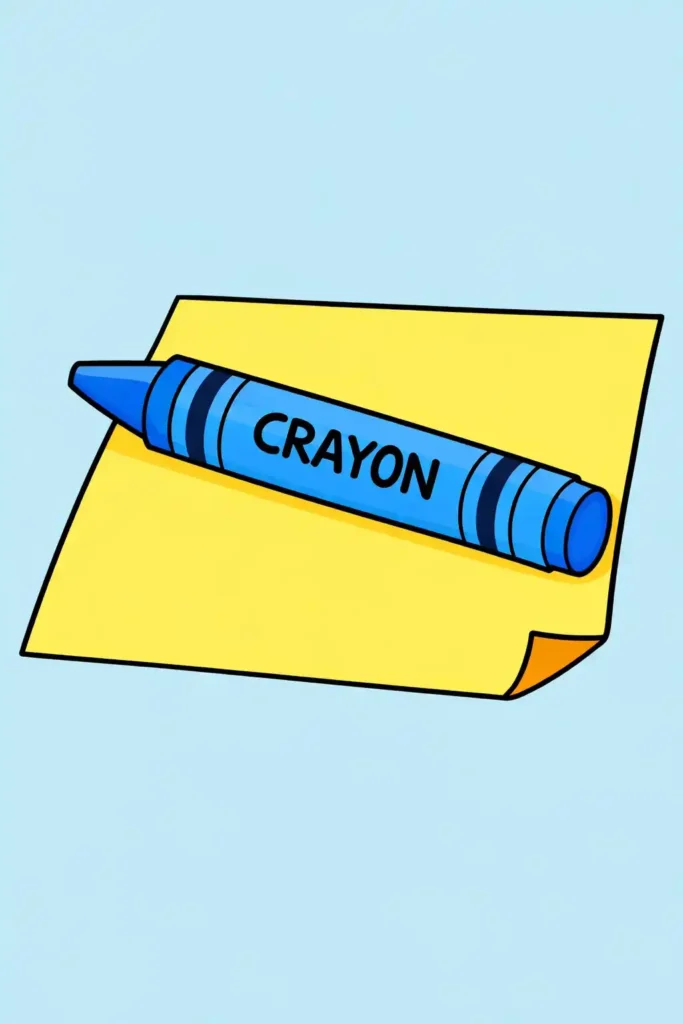
Blue Crayons
In every poll Crayola has ever conducted — 1993, 2000, and a 2025 global vote across 183 countries — blue has been voted the most popular crayon color. Blue was one of the original eight colors in the very first Crayola box, sold in 1903 for five cents, and it’s held the top spot ever since.
Related Coloring Pages
Popular Coloring Pages


What Blue Things Can You Use to Teach Your Toddler the Color Blue?
Blue things are objects that appear blue because they either contain blue-reflecting pigment, scatter blue wavelengths of light, or absorb every other color so blue is all that remains. The most useful blue things for teaching toddlers are ones they already encounter daily: the sky, blueberries, a blue cup, a blue balloon, blue rain boots, and a blue crayon. Say “blue” each time — aim for five to eight repetitions per session.
What makes blue especially interesting to teach is that most blue things in nature aren’t blue the way a painted wall is blue. Blue jays, blue morpho butterflies, and blue whales all achieve their color through physics rather than pigment — scattering light, filtering wavelengths, or wearing a waxy surface coat. True blue pigment is genuinely rare in the natural world, which means almost every blue thing your child colors today has a hidden science story behind it.
In your child’s daily life, blue shows up constantly: the sky above them every morning, the ocean in books and on screens, blueberries at breakfast, blue cups, blue clothes, blue toothbrushes. After this coloring session, try a blue hunt — walk through the kitchen or backyard together and challenge them to find five blue things before you count to thirty. The more places they spot blue, the faster the color word sticks.
How to Teach Your Child the Color Blue
Most children can distinguish colors by around four months old, but naming them correctly is a separate skill that doesn’t develop until ages 2.5 to 3.5. This means your two-year-old might hand you their blue cup every morning without being able to tell you it’s blue — and that’s completely normal. Don’t treat color recognition and color naming as the same milestone. The goal of activities like this one is to bridge that gap, connecting the word “blue” to objects your child already loves.
These coloring pages work for color learning because they give you nine natural moments to say “blue” in a single session — and children typically need to hear a color name five to eight times in one activity for it to start sticking. The blue whale page works especially well because the whale is large, memorable, and has a surprising fact attached (it’s actually gray!). The blueberry page works because most children have eaten blueberries and already have a sensory memory tied to that object. When a color word gets attached to something a child has touched or tasted, it tends to land faster than a flashcard ever could.
Beyond the coloring page, the most effective thing you can do today is point to blue things in your child’s immediate environment and name them out loud: “Your cup is blue. The sky is blue. Your rain boots are blue.” Blue is one of the easier primary colors to teach because there are so many large, unambiguous blue things in a child’s world. Put a blueberry and a strawberry side by side at snack time and ask which one is blue — the contrast makes the color word click faster than any worksheet.
4 Ways to Make These Blue Coloring Pages Into a Full Activity
The Blue Food Taste Test
Before or after coloring the blueberry page, put a small bowl of blueberries on the table and rub one with your finger — the blue smear that comes off is the waxy coating that makes the berry look blue. Let your child taste one, then ask: "What color is it? What other blue foods do you know?" Blueberries are one of the only genuinely blue foods that exist, which makes this a surprisingly short list and a memorable discovery.
Sky and Ocean Shade Compare
Print both the blue whale (ocean) and blue kite (sky) pages, and set out a few different blue crayons — navy, cerulean, sky blue. Ask your child to pick which blue matches the sky and which matches the deep ocean. This teaches them that "blue" isn't one shade, and the conversation about why ocean blue is darker than sky blue opens naturally from there.
Blue Jay Flashlight Trick
After coloring the blue jay page, find a blue feather, a piece of blue fabric, or even the blue jay page itself, and hold it up to a flashlight or phone torch. Explain that real blue jay feathers look brown in a backlight because the blue isn't paint — it's made of air bubbles that bounce light. Children who've done this remember the blue jay fact for weeks.
Blue Thing Scavenger Hunt
Use the blue rain boot page as your starting card and send your child on a hunt through the house to find five things that are blue before you finish counting to fifty. The rule: every object they bring back, they have to say "blue ___" — blue cup, blue sock, blue book. Nine repetitions of the word "blue" in one coloring session is good; fifteen more during a scavenger hunt is even better.
Frequently Asked Questions (FAQs)
What age should my child know their colors?
Most children can correctly identify and name basic colors — including blue — between ages 3 and 4, though color naming often develops as late as 3.5. Recognizing a color and being able to name it are two different cognitive skills, and the second one takes longer. If your two-year-old can’t name colors yet, that’s completely normal — the goal at this stage is repeated, positive exposure.
Is blue a primary color?
Yes — blue is one of the three primary colors, alongside red and yellow, which means it can’t be made by mixing other colors but can be combined to make every other color on the spectrum. Blue mixed with yellow makes green; blue mixed with red makes purple. This is why blue appears in every early childhood color curriculum — it’s a building block, not just a color.
Why is blue the most popular color in the world?
In every global survey ever conducted — including a 2025 Crayola vote spanning 183 nations — blue consistently ranks as humanity’s favorite color. Some researchers point to our evolutionary relationship with blue skies and clean water; others note that blue signals calm and trust across most cultures in a way that other colors don’t.
How do I teach a toddler the color blue?
Anchor the word “blue” to objects your child already knows — “the sky is blue, your cup is blue, these blueberries are blue” — and aim to say it five to eight times in a single session, which is roughly how many repetitions a toddler needs for a new word to start sticking. Coloring pages help because each object gives you a natural moment to say the color name out loud.
Why is the sky blue?
When sunlight enters Earth’s atmosphere, tiny air molecules scatter blue light in all directions far more than any other color — roughly five to ten times more than red — because blue has a shorter wavelength. At sunset, sunlight travels further through the atmosphere and most of the blue has already scattered away, which is why the sky turns red and orange instead.
The blue whale on this page is technically gray — and the blue jay, the butterfly, and the blueberries are all pulling off their own quiet physics tricks. That’s a lot of science hiding inside one coloring session. If your child is working through all the colors, our learning colors coloring pages hub is the natural next step — it has every color in one place, organized by page. From there, red things coloring pages are a strong follow-up — red is the first color babies can see, which makes it another great teaching color with its own set of surprising facts. And when you’re ready for warm and bright, yellow things coloring pages round out the three primary colors your child needs to know first.