Yellow Things Coloring Pages for Kids — Learn the Color Yellow
Yellow is the color the human eye processes faster than any other — your brain is literally wired to notice it first, before red, before blue, before anything else. That's why school buses, safety vests, and caution signs are yellow, and it's why your toddler probably lit up the first time they held a bright yellow banana. These free printable yellow things coloring pages turn that natural visual pull into a teaching moment. You'll find ten familiar objects — a banana, a sun, a rubber duck, a sunflower, and more — each designed to help children aged 2–6 connect the word "yellow" to things they already know and love.
More Coloring Pages For Learning Colors
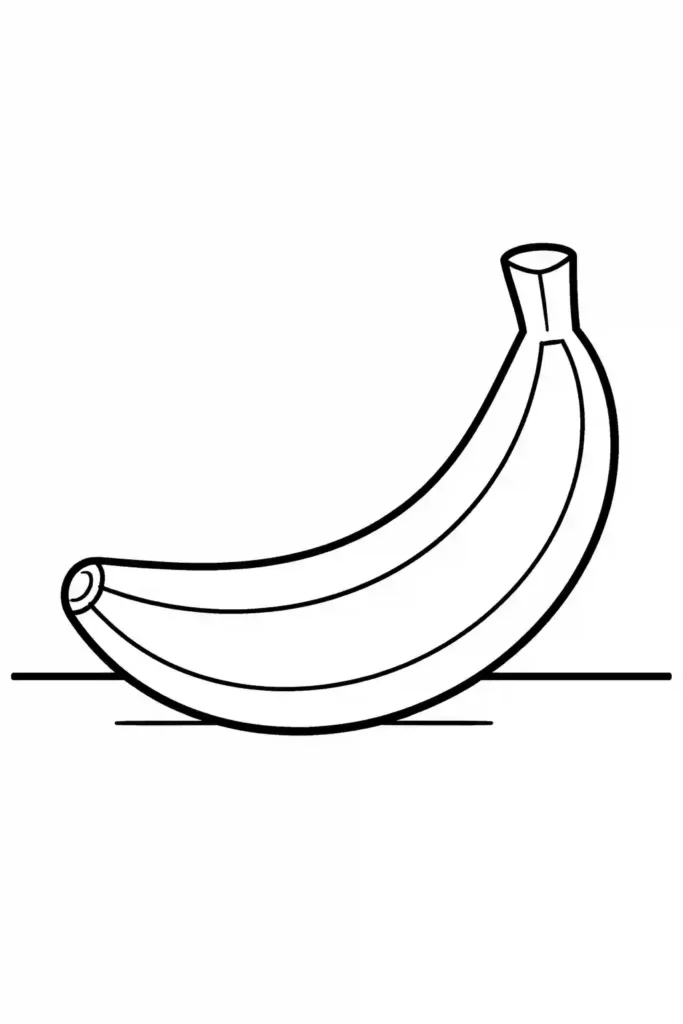
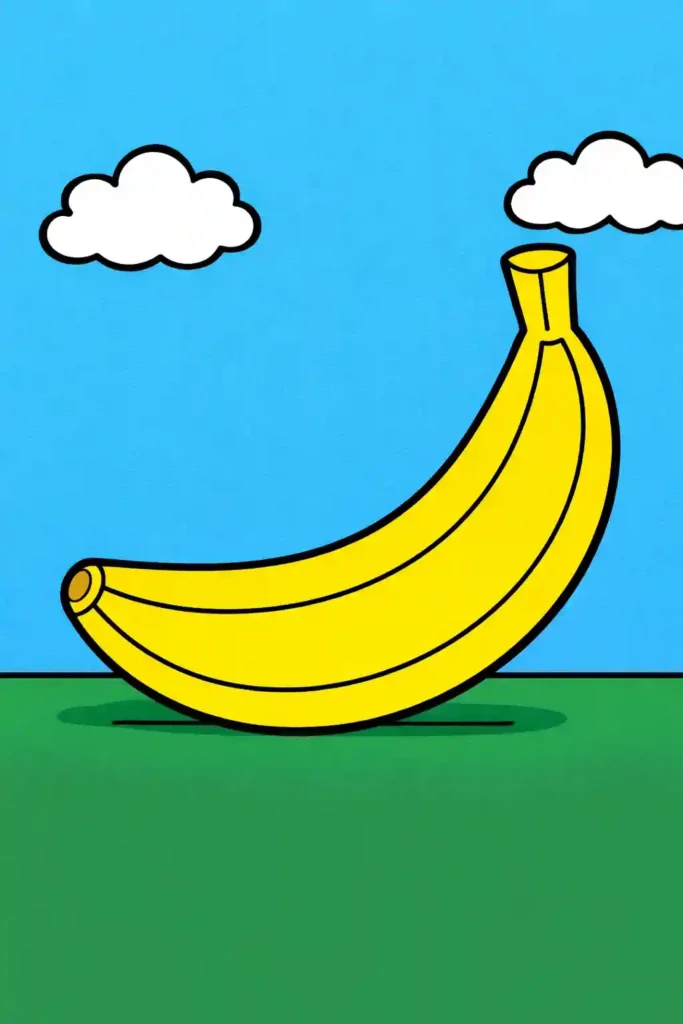
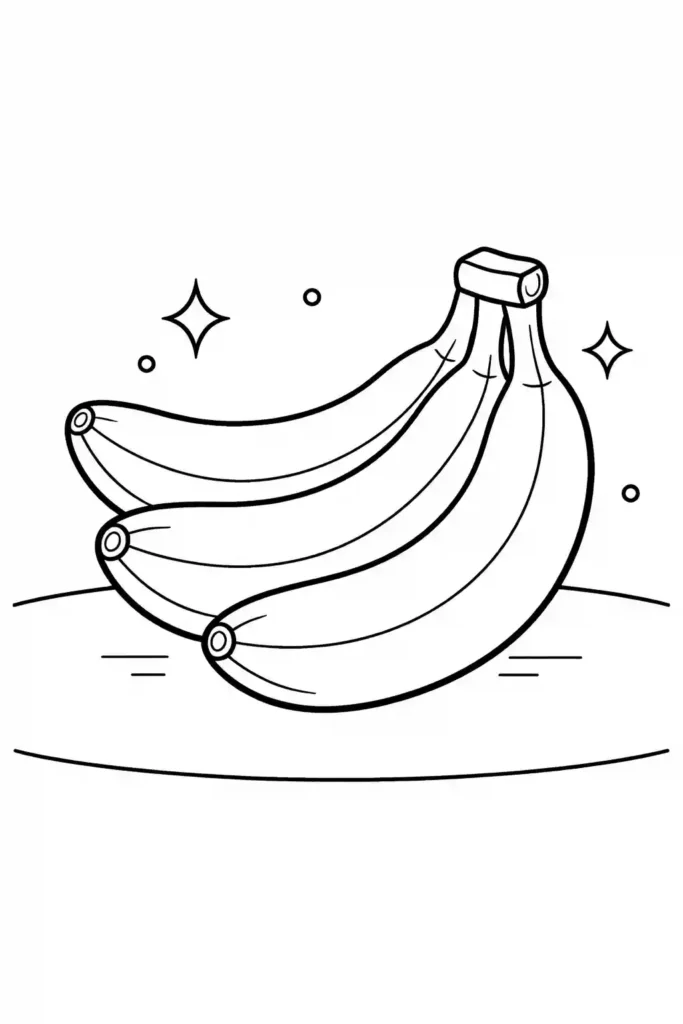
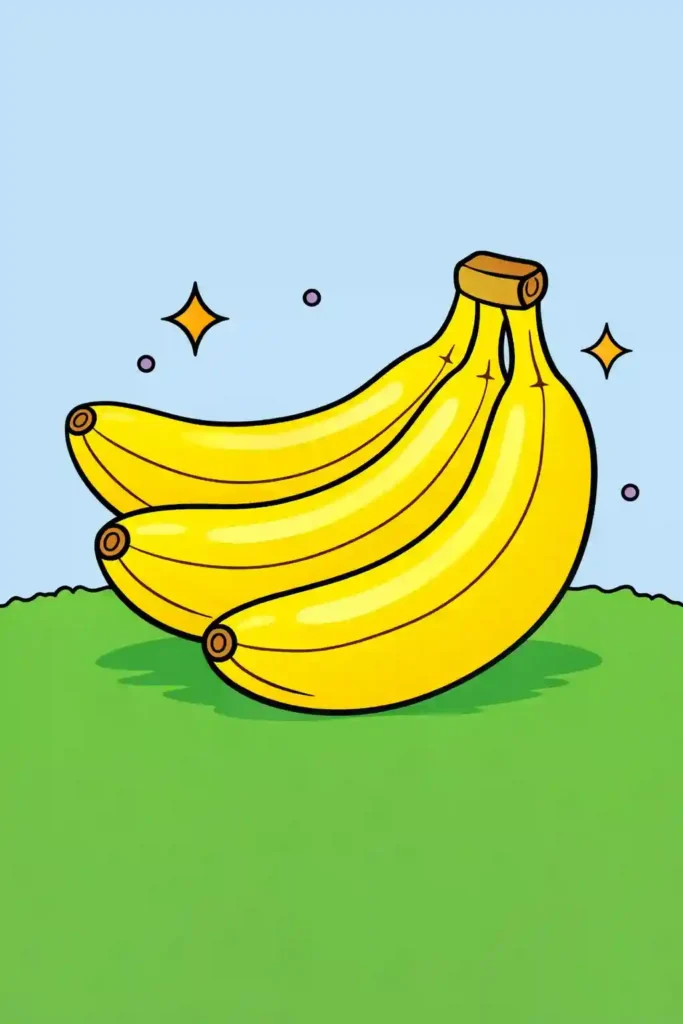
Yellow Bananas
Bananas are actually green when they grow on the tree — the yellow color develops when the banana produces its own natural gas called ethylene, which breaks down the green chlorophyll in the peel. While your child colors, try this: “Did you know the banana made itself turn yellow, like magic?”
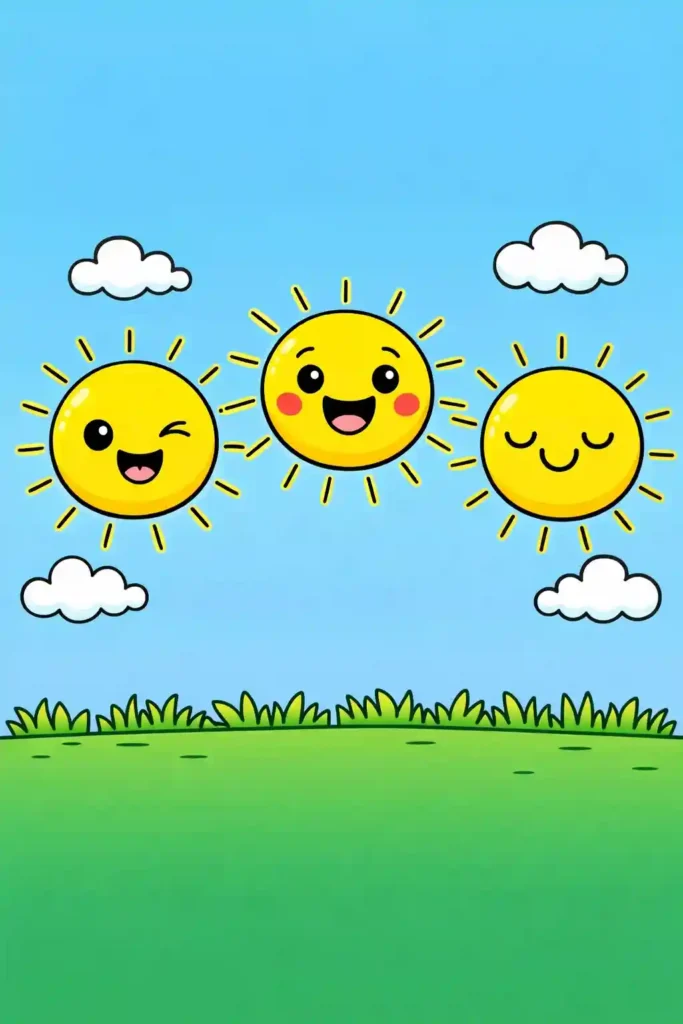
Yellow Suns
Here’s something that surprises most adults: the sun is actually white, not yellow. It only looks yellow from Earth because our atmosphere scatters away the blue and violet parts of sunlight — astronauts looking out from space see a blinding white star.
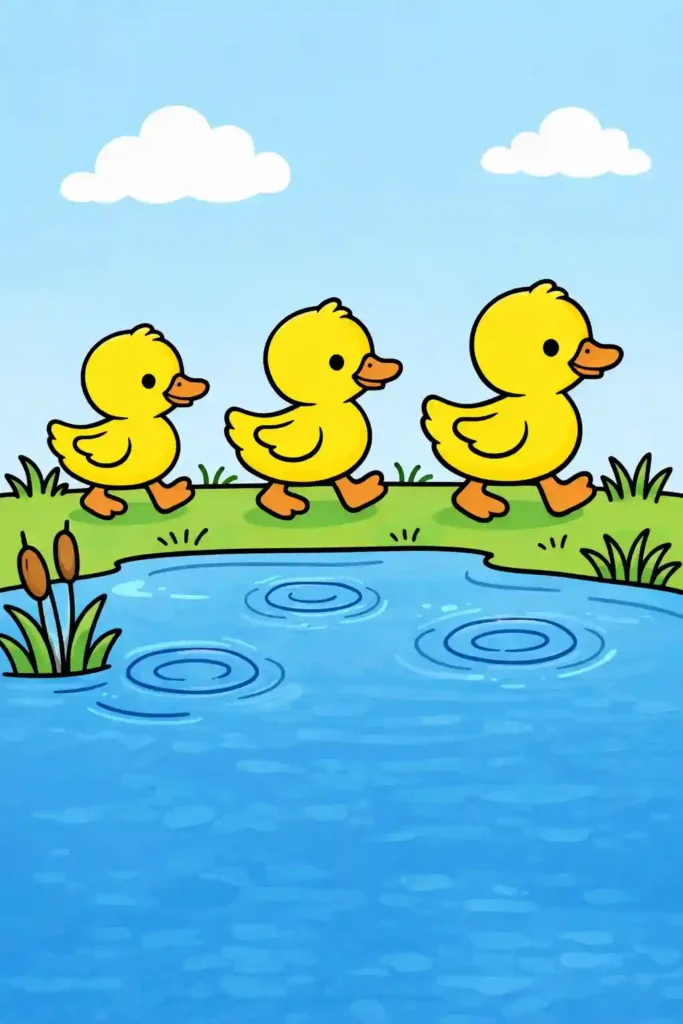
Yellow Ducks
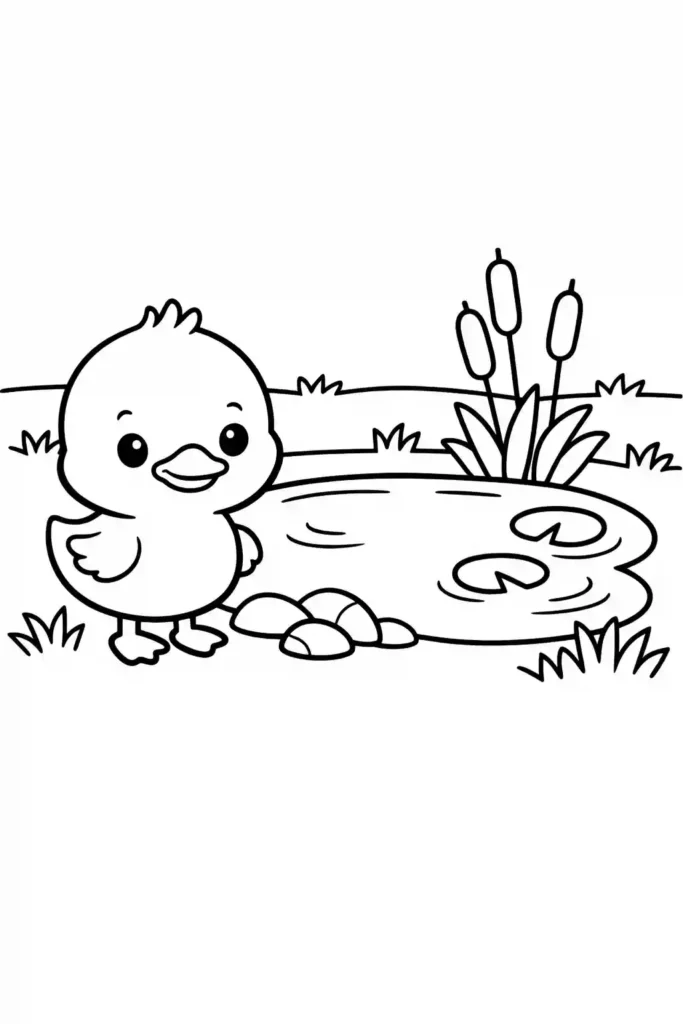
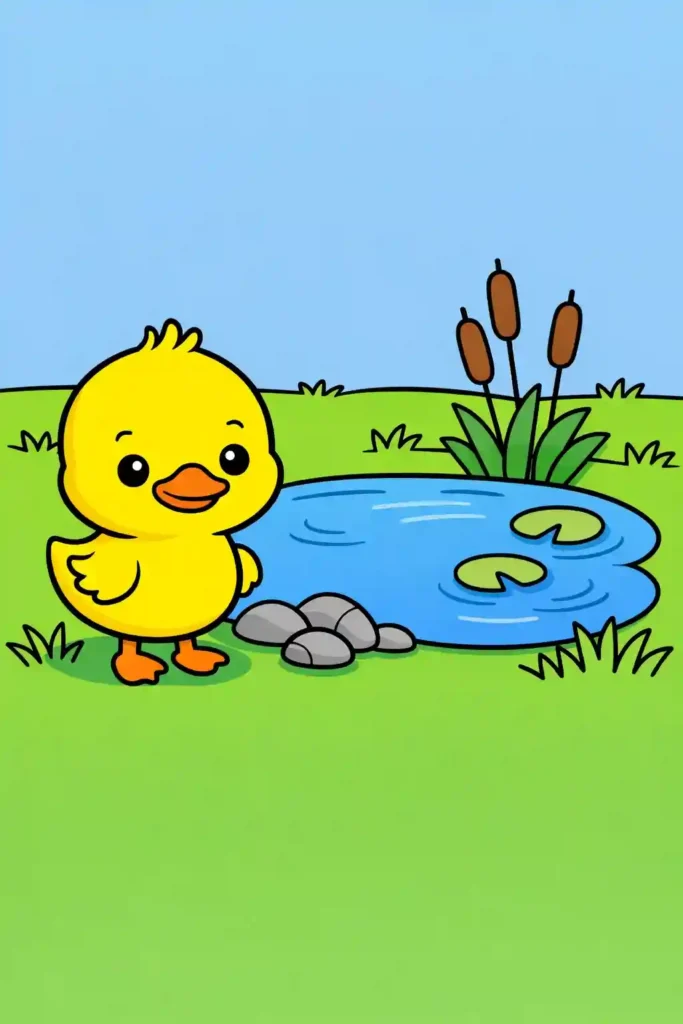
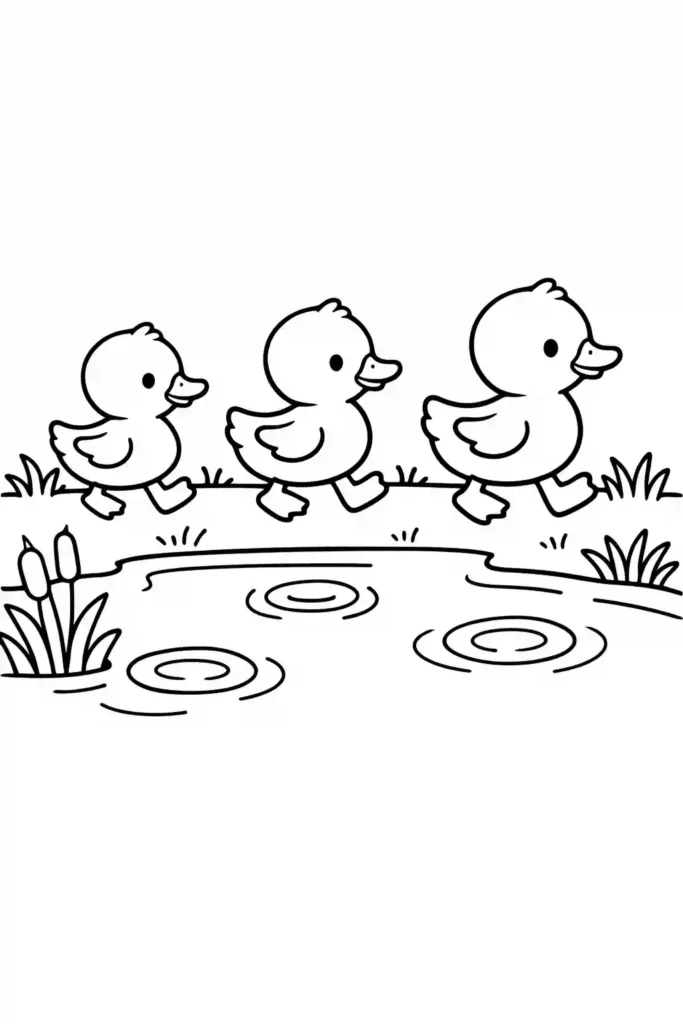
Your little one might not know that rubber ducks are yellow because they’re modeled on baby ducklings — real Pekin ducklings hatch bright yellow and then grow into white adult ducks. The yellow only lasts while they’re tiny, which makes this a natural moment to say: “Yellow is the baby color.”
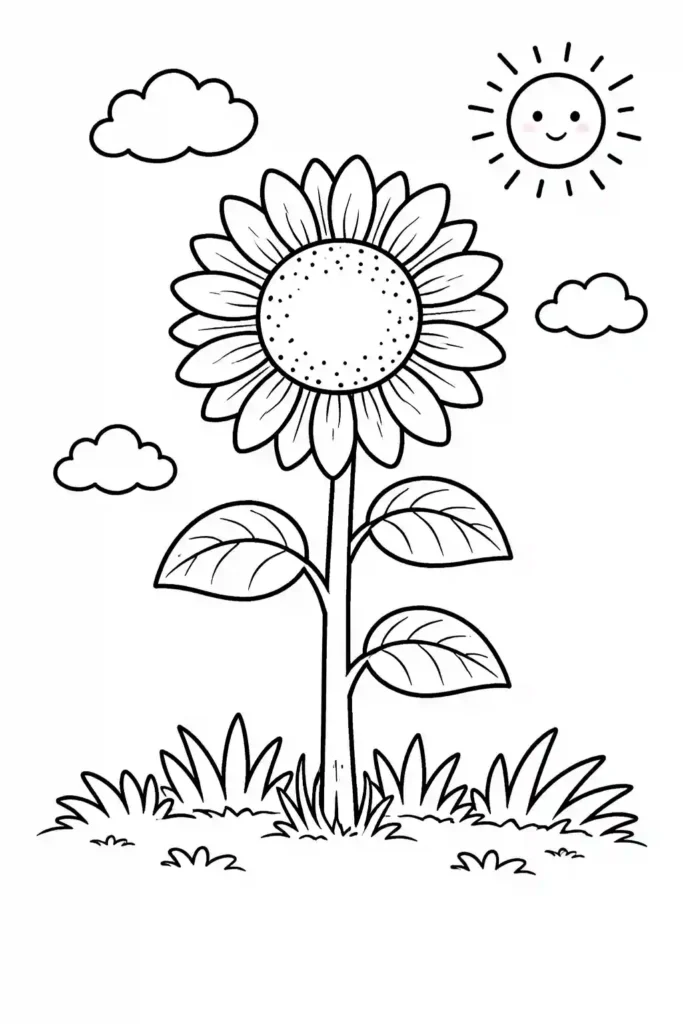
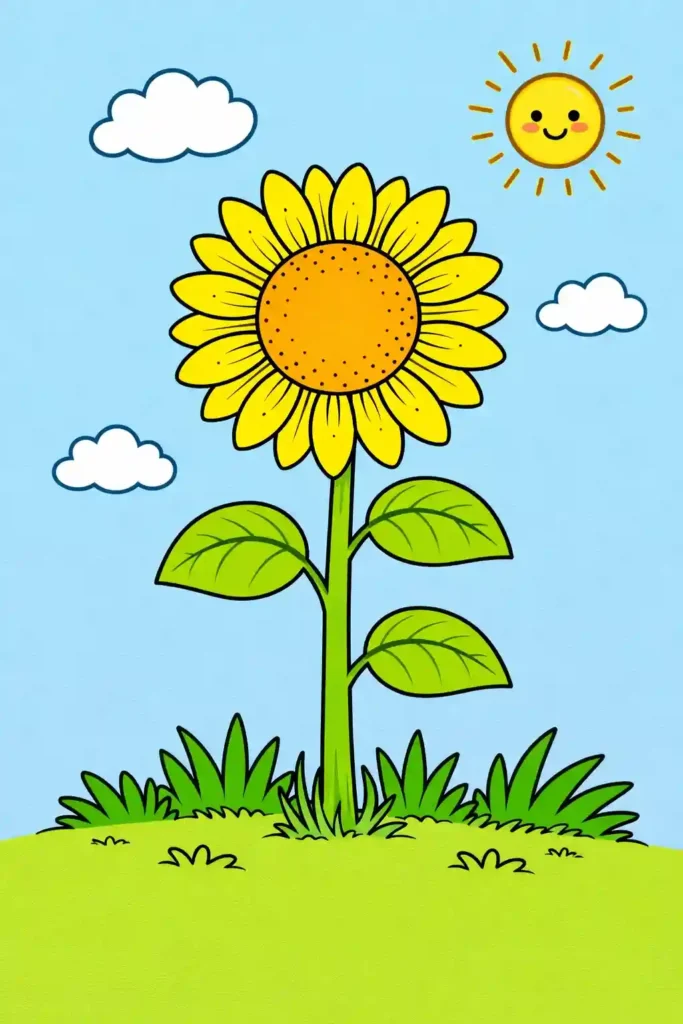
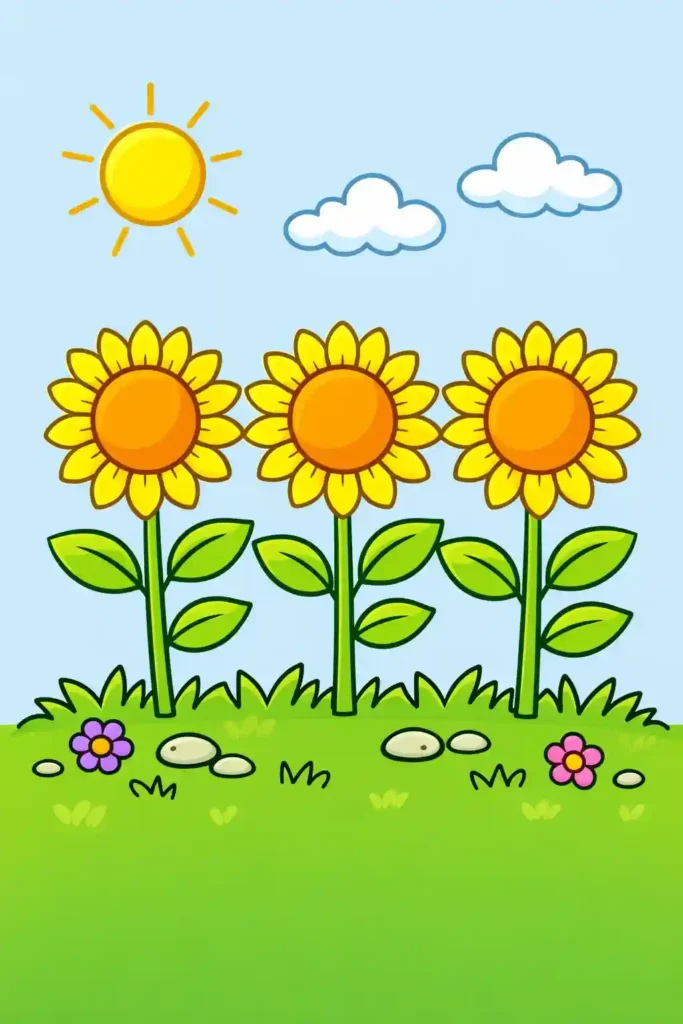
Yellow Sunflowers
Bees see sunflower petals completely differently than we do — in ultraviolet light, each petal has a hidden bullseye pattern guiding bees straight to the center, like a landing strip only insects can read. For us, all that’s visible is the vivid yellow.
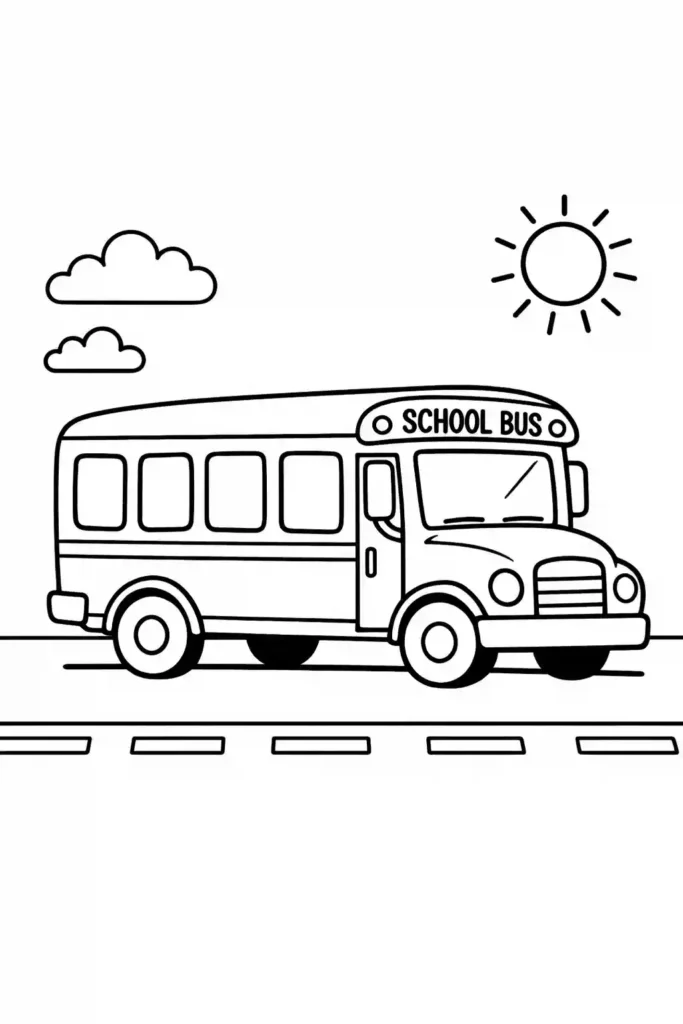
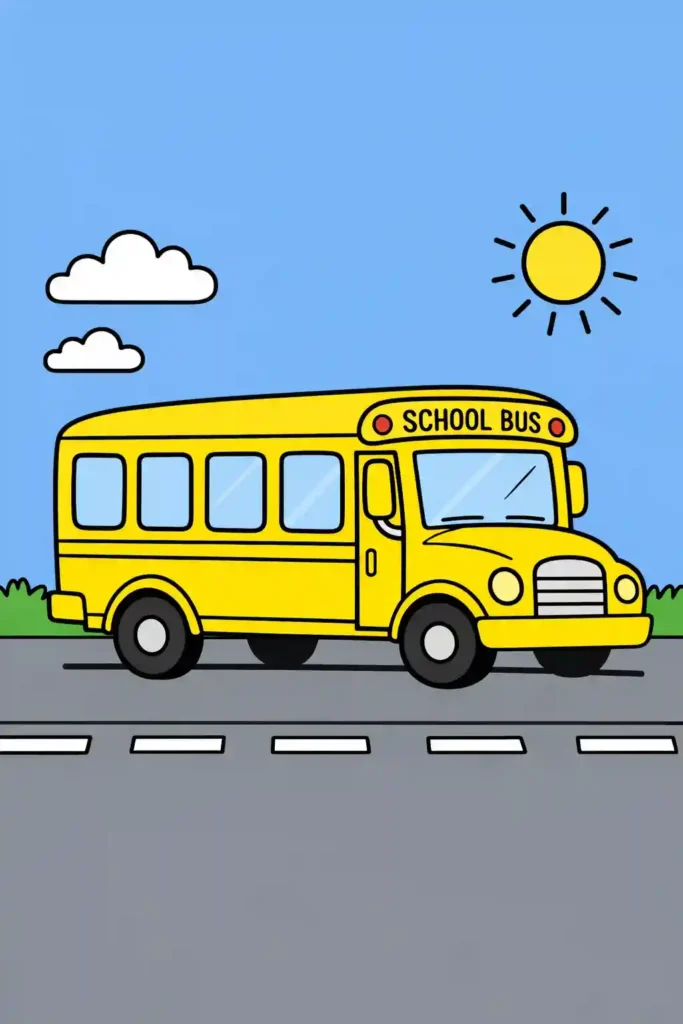
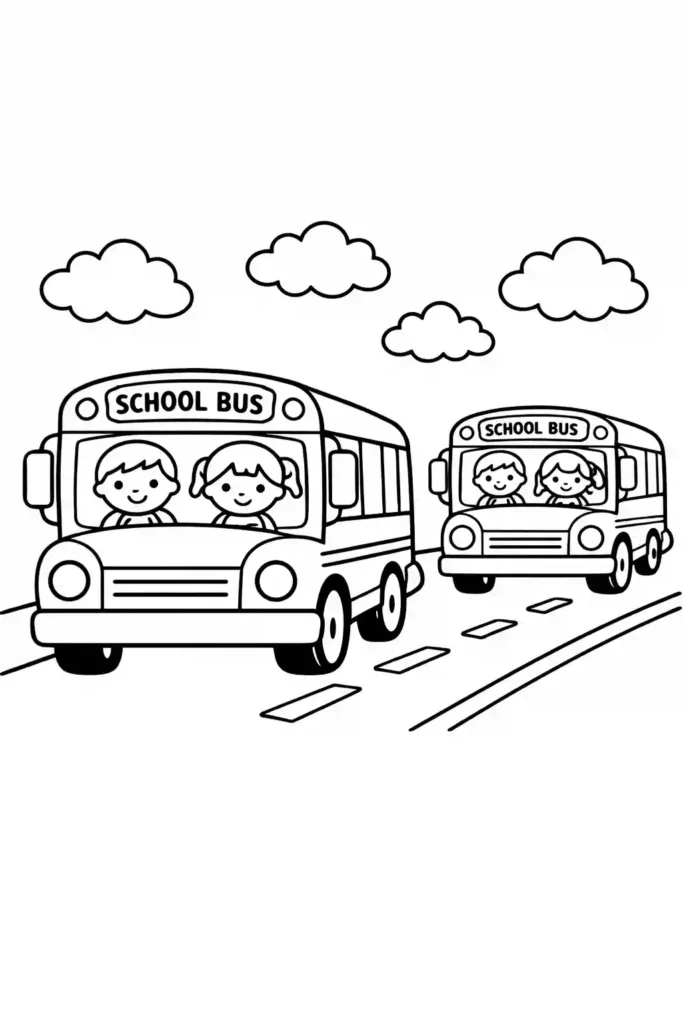
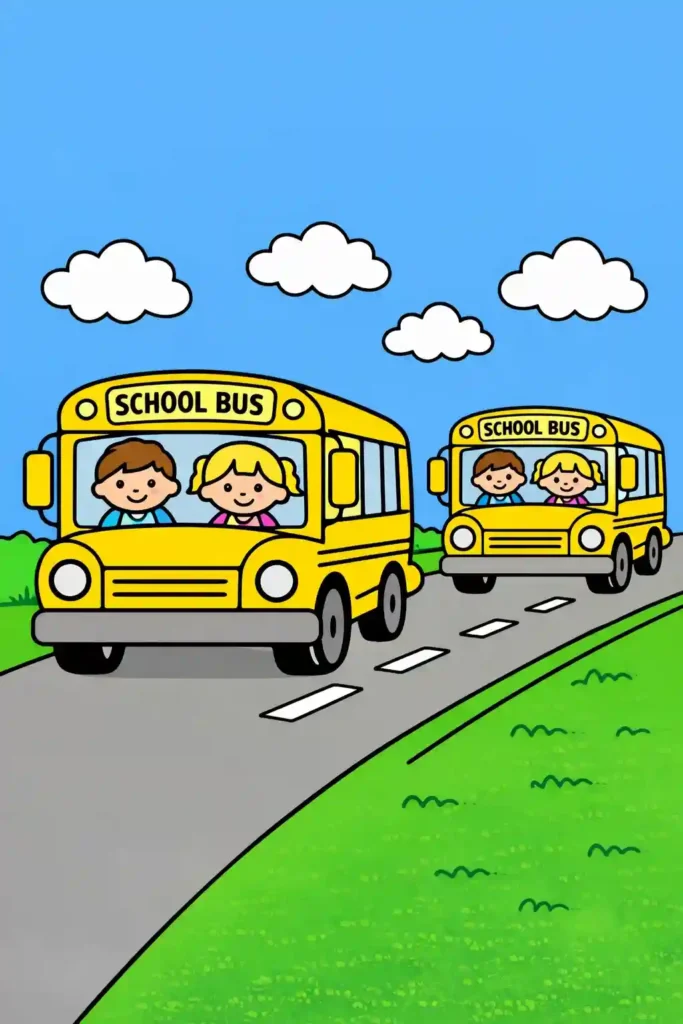
Yellow School Bus
The exact yellow on every school bus in the United States was chosen in 1939 after research showed it was the most visible color under every lighting condition — fog, rain, and low morning light — and was officially named “National School Bus Glossy Yellow.” This is a great page to explain that yellow isn’t just a color; it’s a safety signal your child’s brain is built to notice instantly.
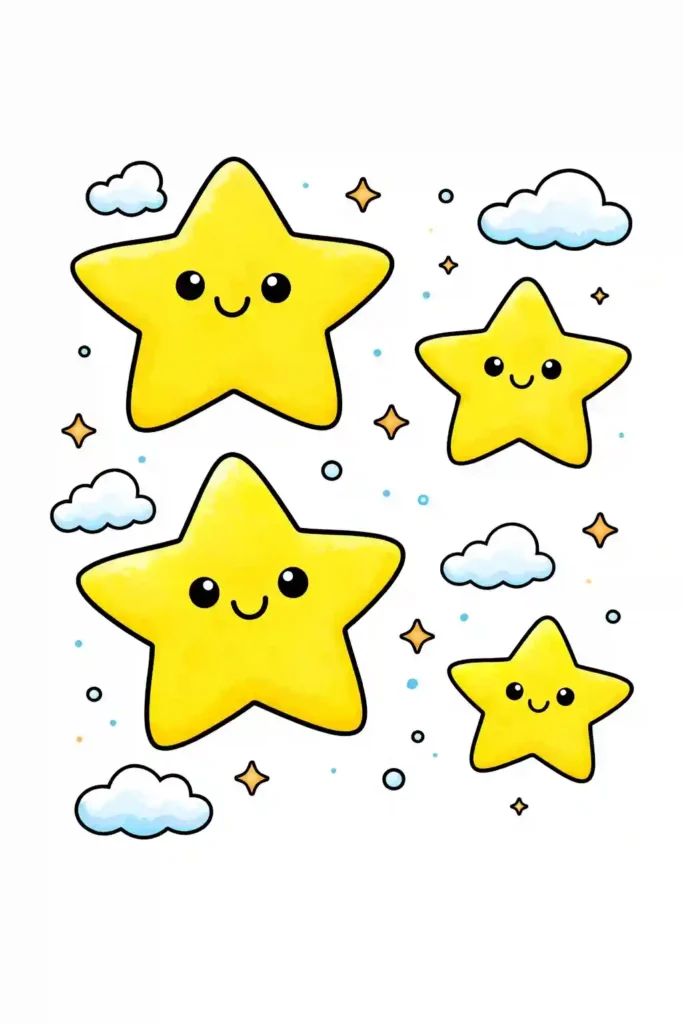
Yellow Star
Stars are actually different colors depending on how hot they are — blue and white stars burn the hottest, while orange and red stars are cooler, and yellow stars like our sun sit right in the middle. As your child colors, you can point out that the sun in the sky and the star on this page are the same kind of object, just at very different distances.
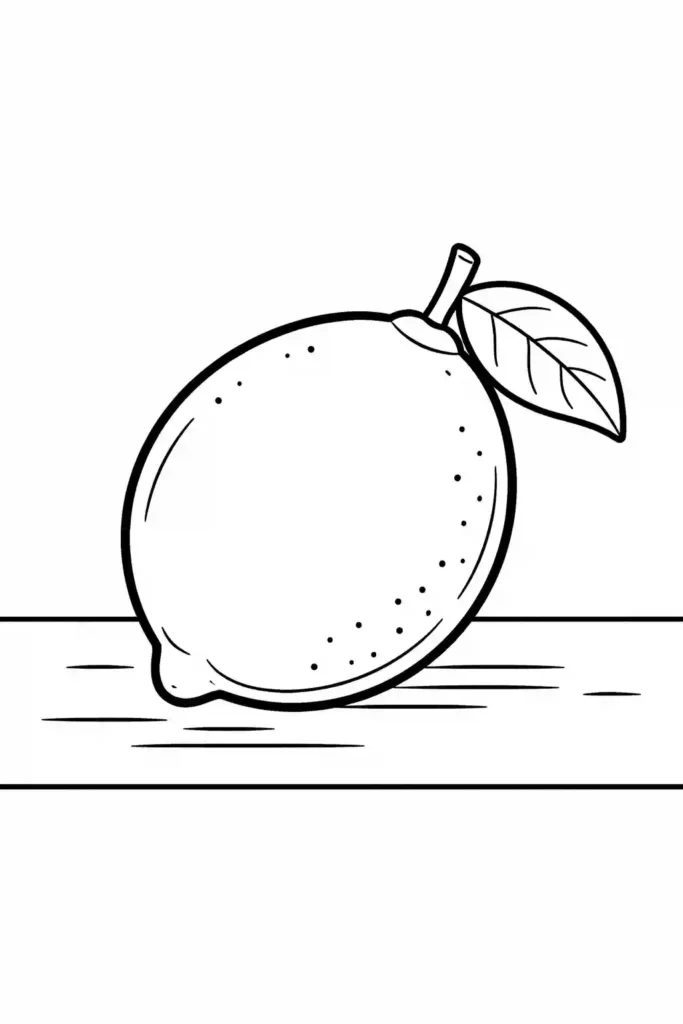
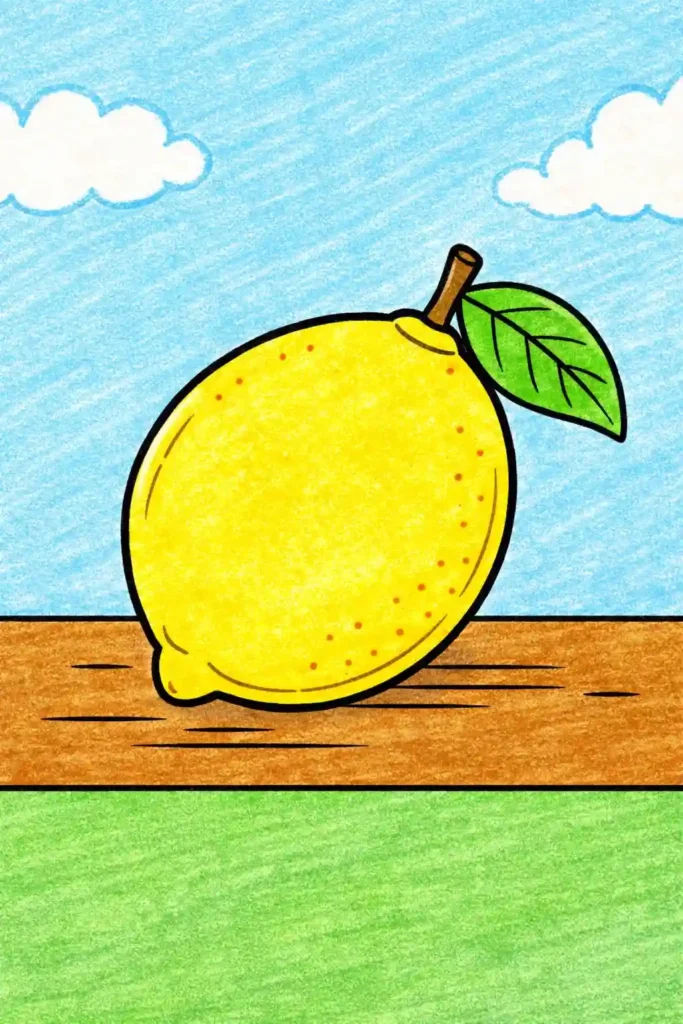
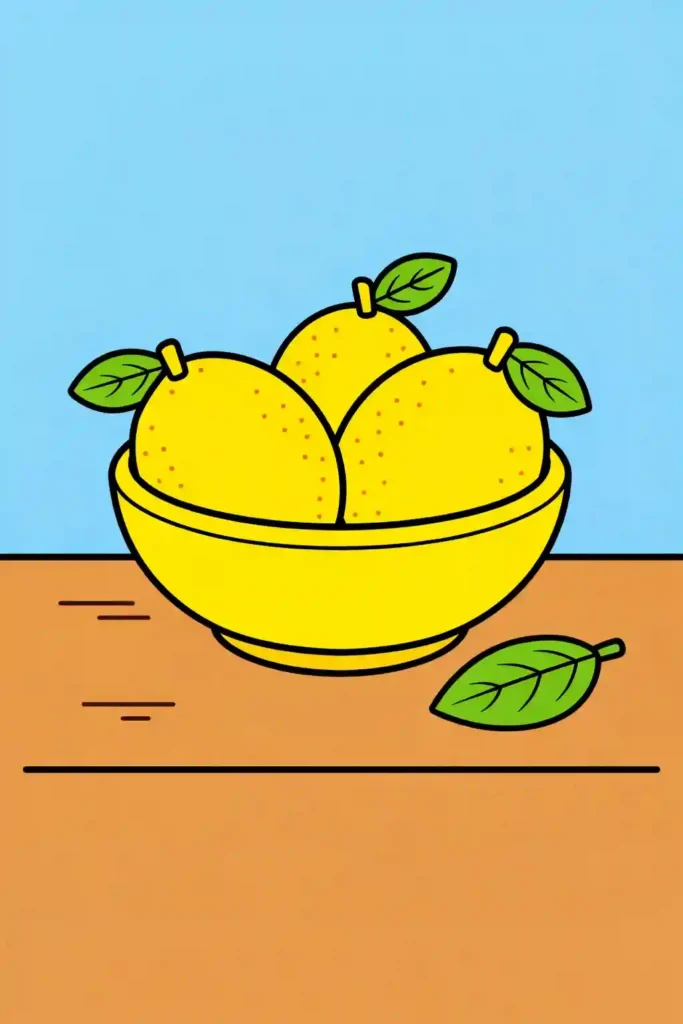
Yellow Lemon
Unlike most yellow things that start yellow, lemons start life green on the tree — the yellow only appears as the lemon ripens and the green chlorophyll breaks down, revealing yellow pigments that were hiding underneath all along. In tropical countries where it stays warm year-round, some lemons stay green even when they’re perfectly ripe.
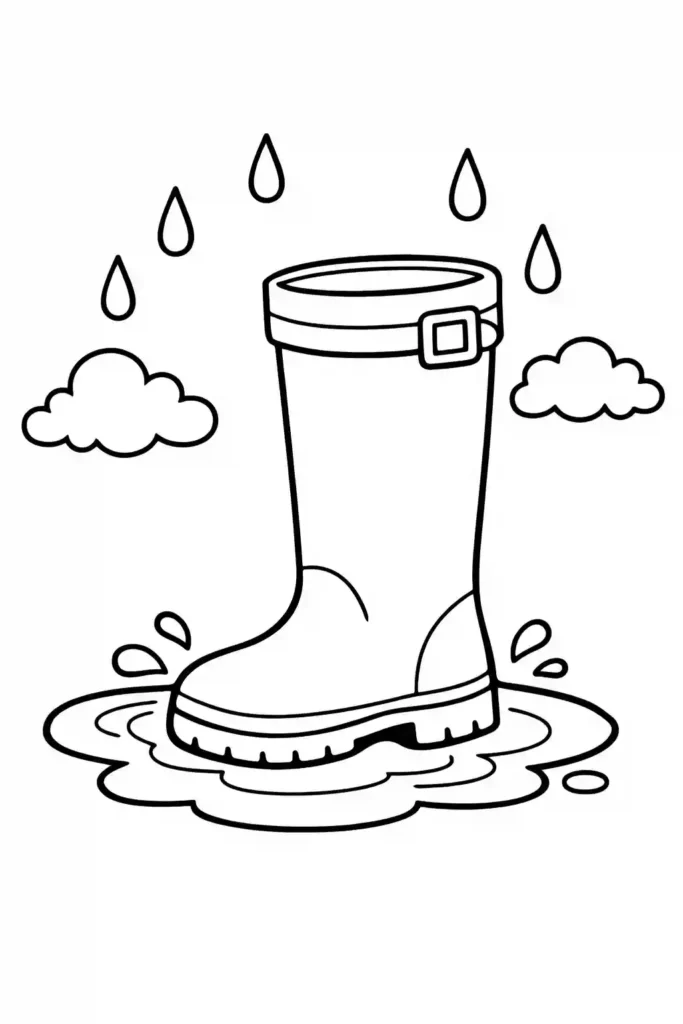
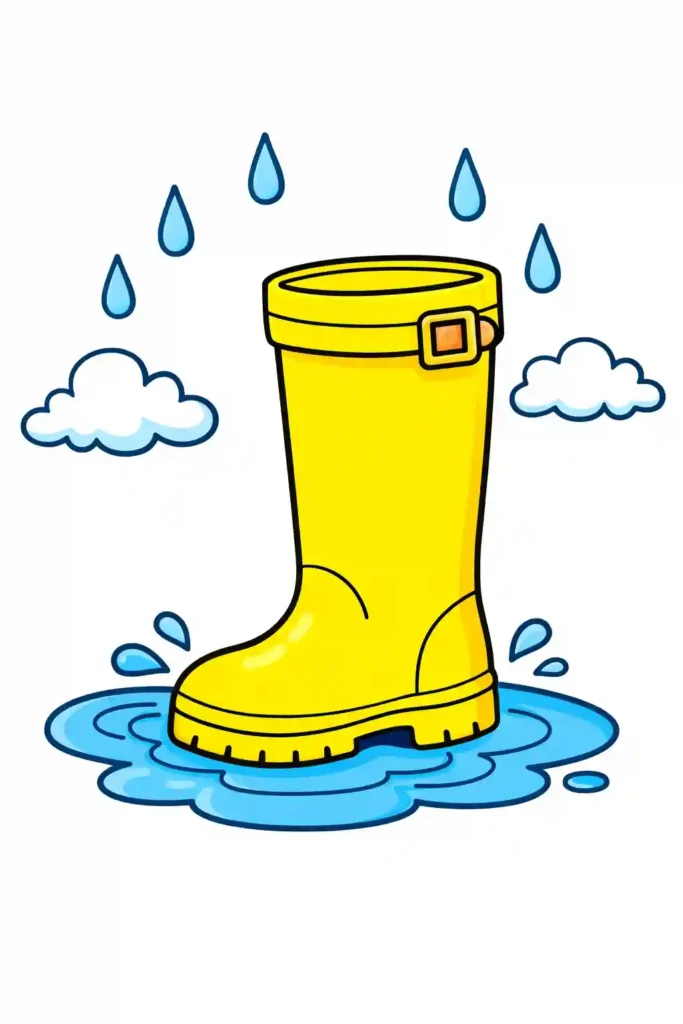
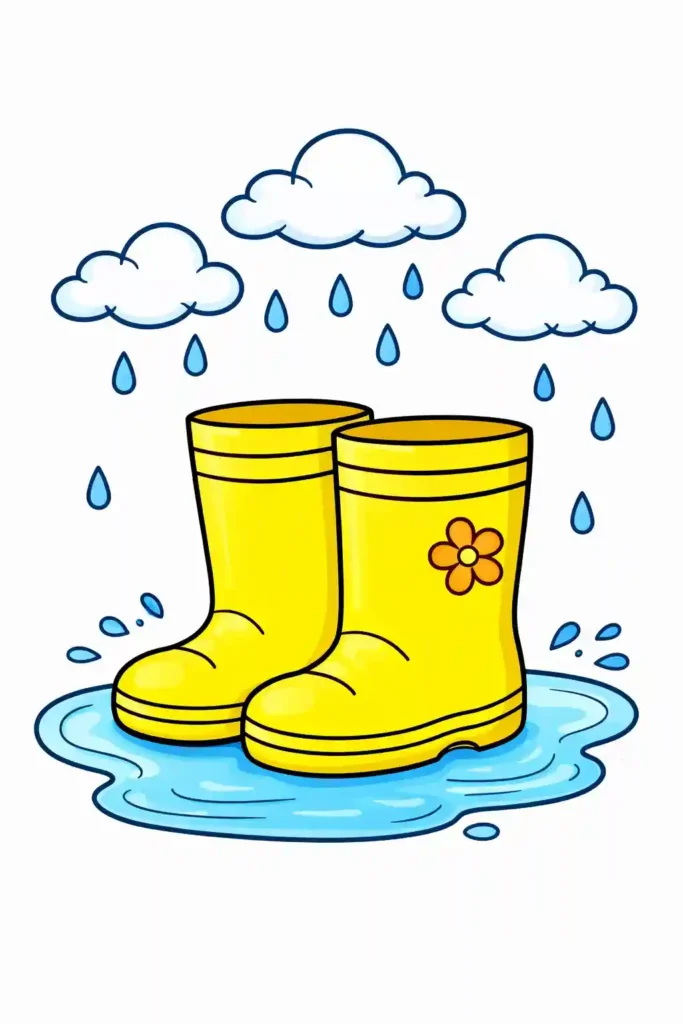
Yellow Rain Boots
Unlike most yellow things that start yellow, lemons start life green on the tree — the yellow only appears as the lemon ripens and the green chlorophyll breaks down, revealing yellow pigments that were hiding underneath all along. In tropical countries where it stays warm year-round, some lemons stay green even when they’re perfectly ripe.
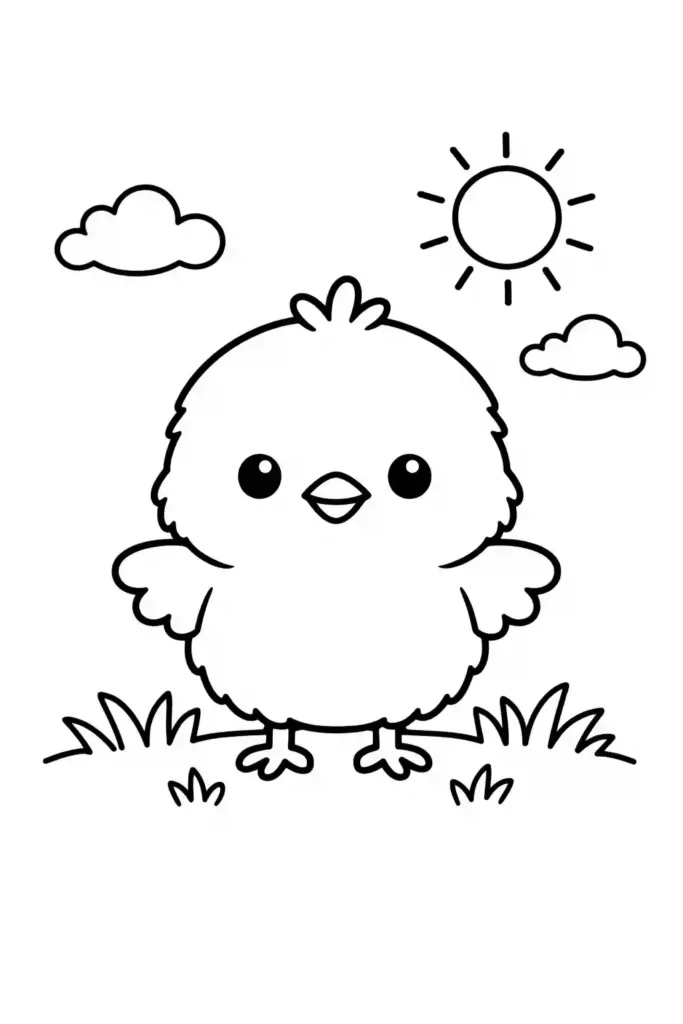
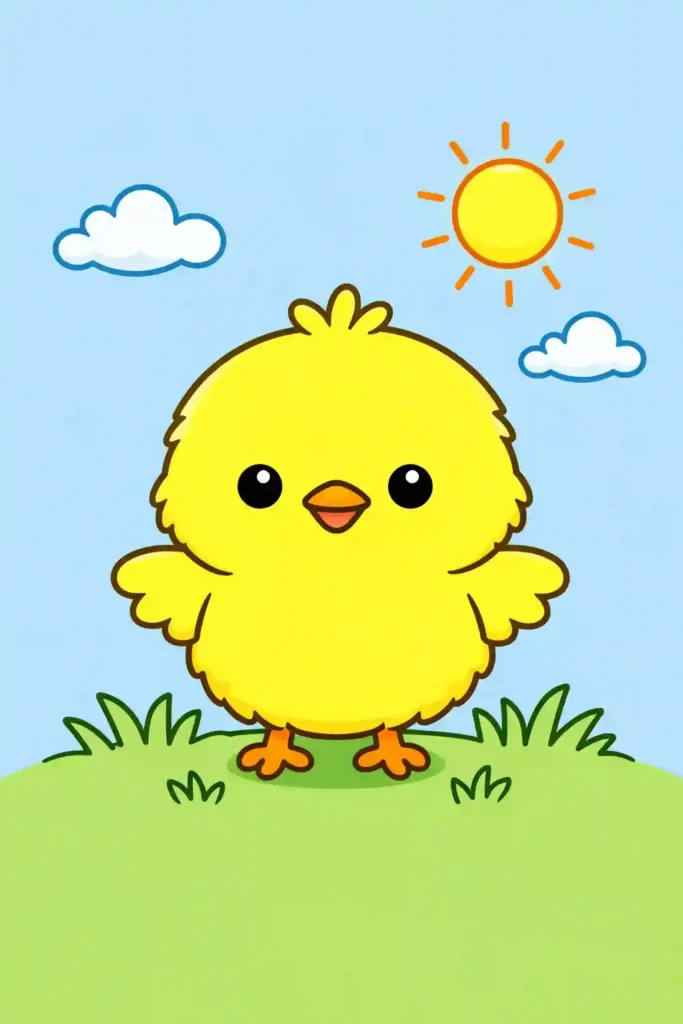
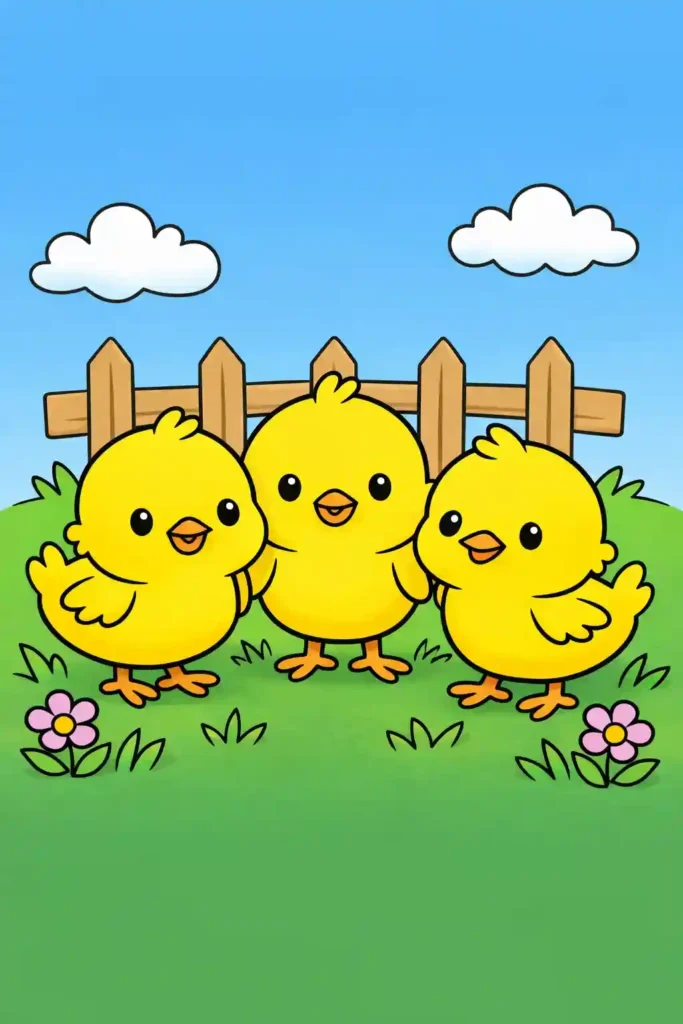
Yellow Chick
Baby chicks are yellow because their white down feathers get stained by the yellow pigment of the egg yolk while they develop inside the shell — it’s essentially the same pigment that makes egg yolks and butter yellow. As the chick grows and its adult feathers come in, the yellow disappears entirely.
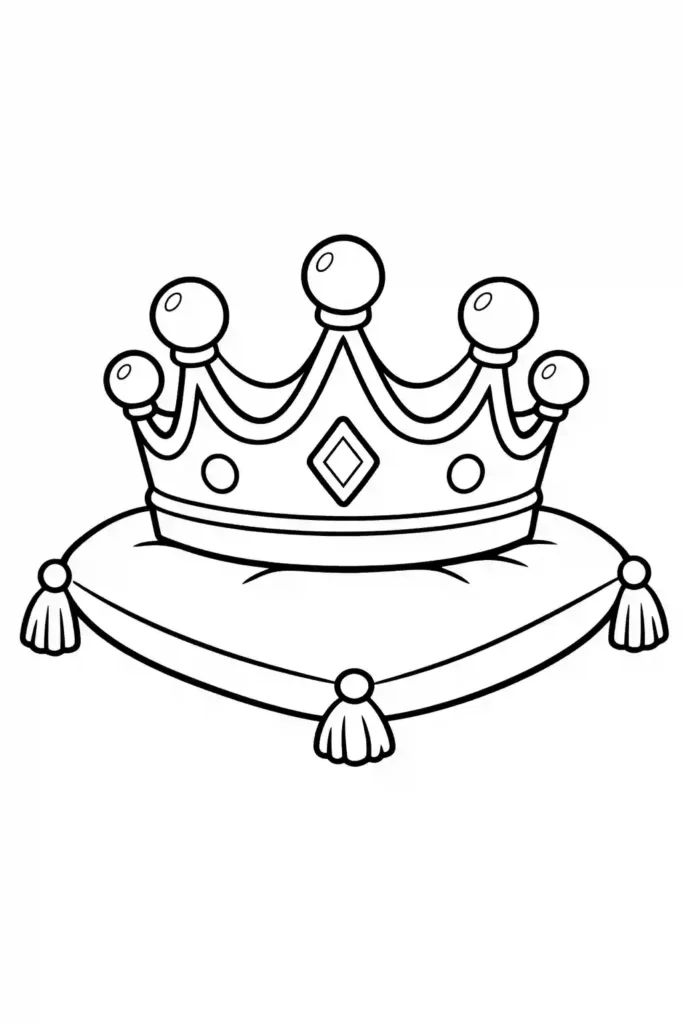
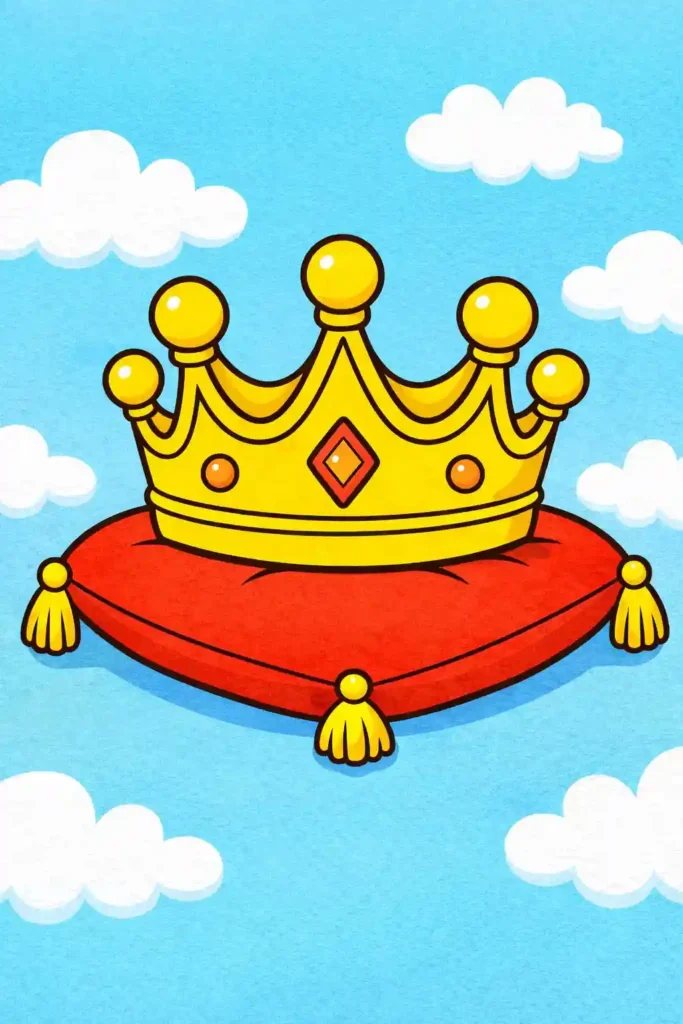
Yellow Crown
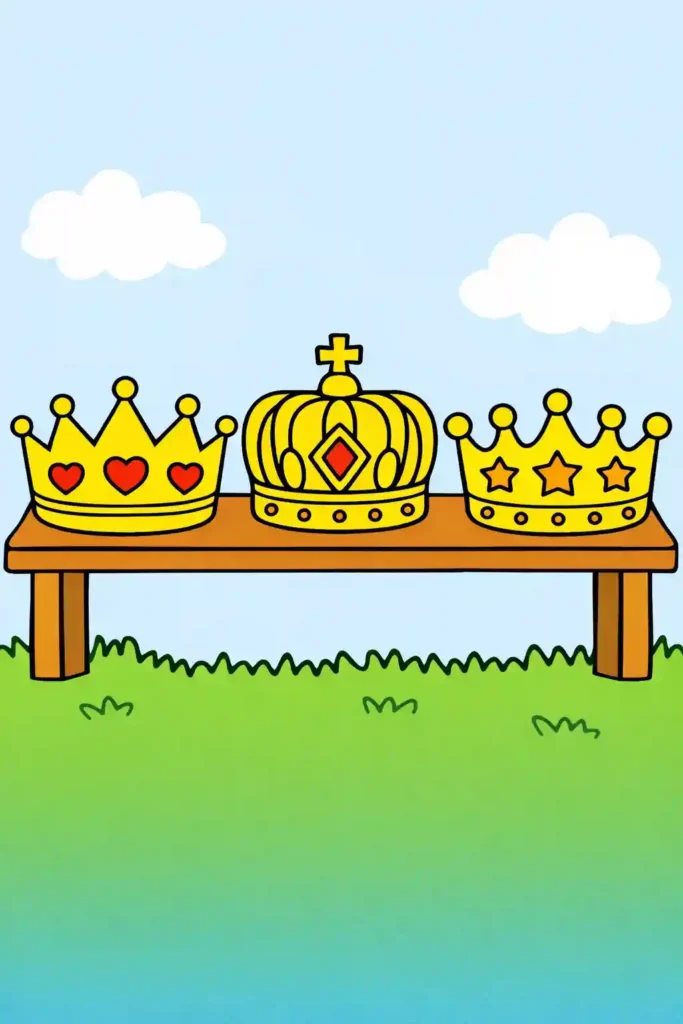
Crowns are gold-yellow because gold has been used by royalty across virtually every ancient culture — Egyptian pharaohs, Chinese emperors, European kings, Aztec rulers all chose it for the same reason. Gold never tarnishes or dulls — it stays shiny forever, which made it feel powerful in a way no other material could.
Related Coloring Pages
Popular Coloring Pages

What Are Yellow Things?
Yellow things are objects that appear yellow because they reflect yellow wavelengths of light while absorbing all other colors. Common yellow things include bananas, the sun, rubber ducks, sunflowers, school buses, lemons, baby chicks, and stars. Yellow is one of the most recognizable colors in the natural world, and many yellow things are yellow for a specific biological or scientific reason.
What makes yellow unusual among colors is where it sits in the human visual spectrum. The eye’s peak sensitivity lands right in the yellow-green zone — which means yellow objects register as brighter and more attention-grabbing than other colors of equal physical intensity. It’s not that yellow is louder; it’s that your visual system is tuned to notice it first. That’s why it shows up so consistently in safety signage, warning labels, and children’s toys.
In your child’s everyday world, yellow is everywhere once you start looking: the banana on the counter, the bus at the corner, the rubber duck at bath time, the sunflower in the garden. These aren’t random — many everyday yellow things are yellow precisely because humans and animals have evolved to respond to yellow as a signal of something important, whether that’s ripe fruit, a warm sunny day, or a vehicle they shouldn’t step in front of. Going on a yellow hunt together — even just around the kitchen — turns that observation into a game your toddler will want to play again.
How to Teach Your Child the Color Yellow
Color recognition starts developing around 18 months, but correctly naming colors is a separate skill that typically comes together between ages 2.5 and 4. If your three-year-old points at a yellow banana and calls it green, that’s not a mistake — it’s a developmental stage. They may already know the word “yellow” before their brain has locked in which color the word belongs to. Yellow is actually one of the easiest primary colors for toddlers to identify correctly, because bright yellow is unambiguous in a way that blue or red isn’t — there aren’t many things in a toddler’s world that are a slightly-off shade of yellow.
These coloring pages work well for yellow in particular because all ten objects are genuinely, unmistakably yellow — there’s no room for confusion the way there might be with a purple-blue or a blue-green. When your child colors a banana, then a sun, then a duck, and reaches for the same crayon each time, they’re noticing the shared attribute without being told. That moment of “wait, they’re all the same” is exactly the kind of pattern recognition that makes color words stick. Research also suggests that saying the color word after the object name is more effective for young learners than before it — “the duck is yellow” lands better than “the yellow duck,” because toddlers need to categorize the object first, then attend to its color as a separate idea.
Beyond the coloring pages, a few specific things work well for yellow. Put a banana and a lime side by side at snack time and let your child tell you which one is yellow — the contrast between yellow and green makes the word click faster than any worksheet. Try collecting yellow objects in a small bin: a yellow cup, a lemon, a yellow crayon, a rubber duck. When children handle multiple yellow things at once, they start to notice what they share. And when you’re outside, point to the school bus and say: “Did you know that color has a special name? It’s called National School Bus Yellow, and they chose it because it’s the easiest color for people to see.”
4 Ways to Make These Yellow Coloring Pages Into a Full Activity
The Yellow Kitchen Safari
Before printing, walk through the kitchen together and find every yellow thing you can: bananas, lemons, butter, mustard, a yellow cup. Then print the banana or lemon page and color it side by side with the real thing in front of you. The comparison between the real object and the drawing gives the color word a concrete anchor that lasts.
Sunshine Counting Game
Print the yellow sun page and the yellow star page together. Ask your child: "How many yellow things in the sky can you name?" Sun, stars — then explain that stars and the sun are actually the same kind of thing, just at very different distances. Color them both and line them up on the table to make a mini "space gallery."
The Yellow Safety Spotting Walk
Take the school bus page outside after coloring it. On your walk, challenge your child to spot everything yellow that's meant to be seen — buses, caution signs, crosswalk markings, safety vests, bollards. Tally them on the back of the page. This connects yellow directly to its most important real-world job: being the color that keeps people safe.
Duckling and Chick Comparison
Print the yellow duck page and the yellow chick page side by side. Ask: "Why are they both yellow?" Then tell them the secret — both are yellow because of baby ducklings, and baby ducklings are yellow because of egg yolk. Let them color both pages while you explain that the yellow doesn't last: grown ducks are white, grown chickens come in all colors. It's a tiny life-cycle lesson tucked inside a coloring activity.
Frequently Asked Questions (FAQs)
What everyday yellow things can I use to teach toddlers the color yellow?
Yellow is one of the easiest colors to teach because so many familiar objects are unmistakably yellow. Great yellow teaching objects include bananas, the sun, rubber ducks, sunflowers, school buses, lemons, baby chicks, and stars. Coloring these objects reinforces the connection between the word “yellow” and real things children already know and encounter every day.
What is the best age to start teaching colors to toddlers?
Most children reliably name colors between ages 2.5 and 4, though you can begin introducing color words as early as 18 months. Color recognition — noticing that objects differ in color — develops well before color naming, so don’t worry if your two-year-old knows the word “yellow” but applies it to the wrong things. That’s the normal sequence, not a delay.
Why is yellow the most visible color to the human eye?
Yellow sits right at the peak of the human eye’s sensitivity — the eye’s photoreceptors are most responsive to wavelengths in the yellow-green range, which means yellow objects register as brighter and more attention-grabbing than other colors of equal physical intensity. That’s why yellow is used for school buses, safety vests, and caution signs worldwide. Your child’s brain is already wired to notice yellow first.
Why are school buses yellow?
Every school bus in the United States is painted “National School Bus Glossy Yellow,” a color standardized in 1939 after research showed it was the most visible shade under all lighting and weather conditions, including fog, rain, and low morning light. The specific yellow-orange hue was chosen scientifically — not aesthetically — making it one of the earliest evidence-based color decisions in American public safety.
Why does my child know color words but points to the wrong colors?
This means your child is ahead, not behind. Learning a color word and correctly mapping it to the right color are two separate skills that develop at different rates. A child who says “yellow” confidently while pointing at something green has mastered the word; they’re still building the connection between the word and the specific color. Consistency is the fix: name the color correctly each time, and the mapping will click on its own timeline.
The banana that turns itself yellow, the sun that’s secretly white, the rubber duck modeled on a duckling — there’s more going on in these ten pages than coloring practice, and your child doesn’t need to know all of it to absorb the idea that yellow is everywhere and worth paying attention to. Print a few, put them out over the week, and let the color word do its quiet work.
If your child is working through all the primary colors, our learning colors coloring pages hub is a great next step — it collects every color category in one place so you can work through them in any order.
Our red things coloring pages are a natural follow-up — red is the other primary color toddlers learn earliest, and many of the teaching approaches here work identically for red.
When you’re ready to move into the color next door, our orange things coloring pages bridge yellow and red with objects like oranges, carrots, and pumpkins that most children recognize immediately.