Learning Colors Coloring Pages — Free Printable by Color
Children can typically see color long before they can name it — the gap between visual recognition and verbal labeling is one of the most consistent findings in early language development research. That's exactly why this collection exists: to help parents of toddlers and teachers of preschoolers close that gap with pages that anchor an abstract color word to a concrete, familiar object. Every major color has its own dedicated sub-page here — primaries, secondaries, and neutrals — organized so you can go straight to the color you need. Pick your color below and start printing.
Learning Colors
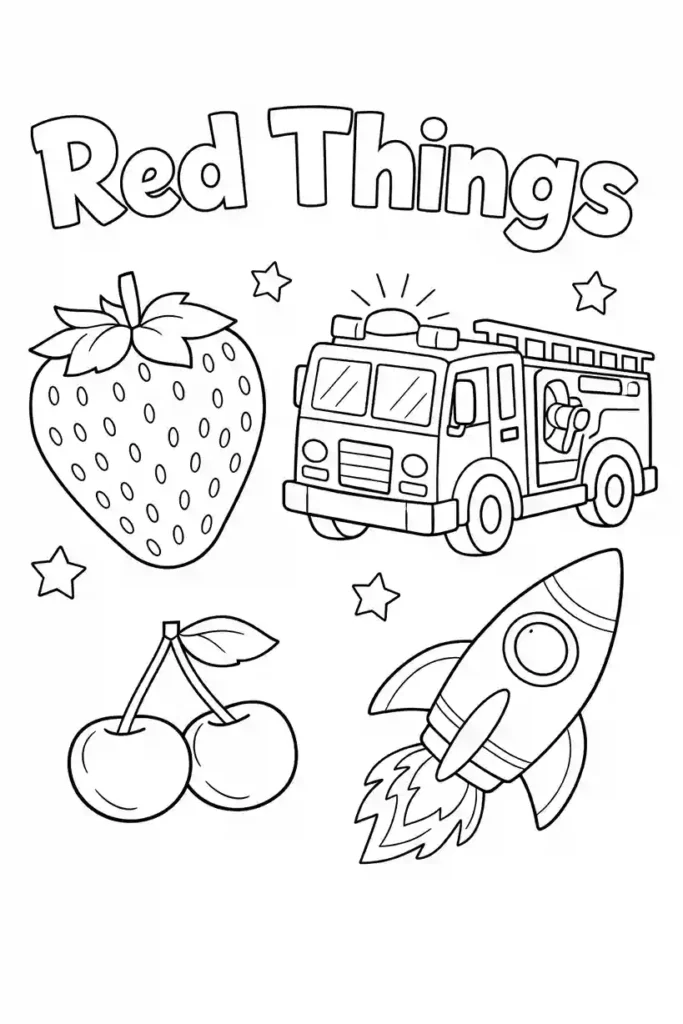
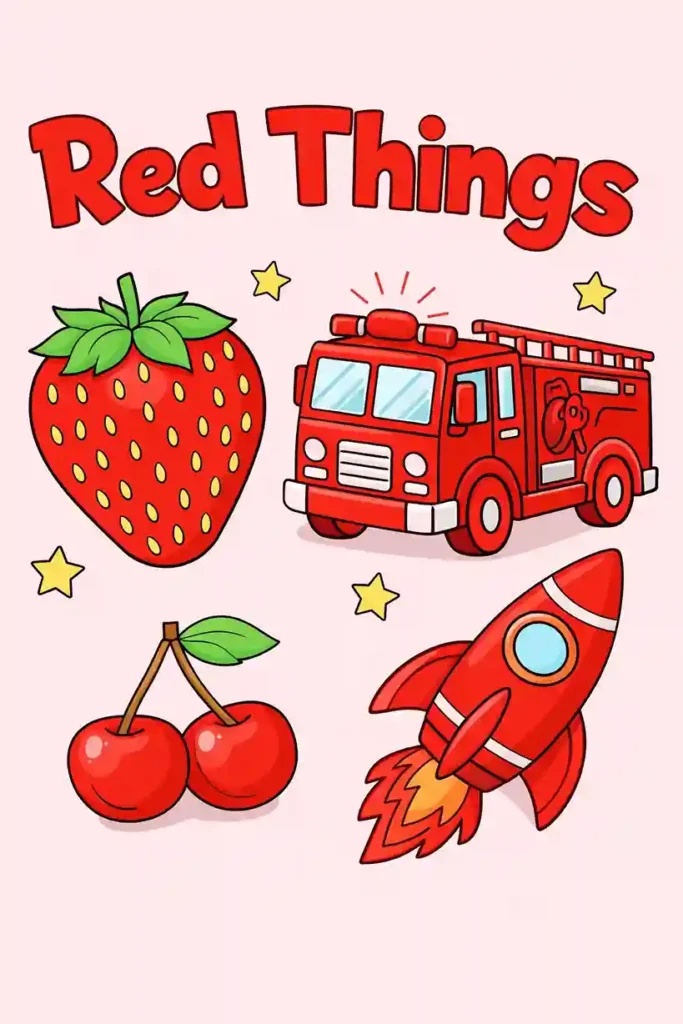
One of the first colors children learn by name — featuring apples, fire trucks, strawberries, and roses for toddlers and preschoolers starting their color journey.
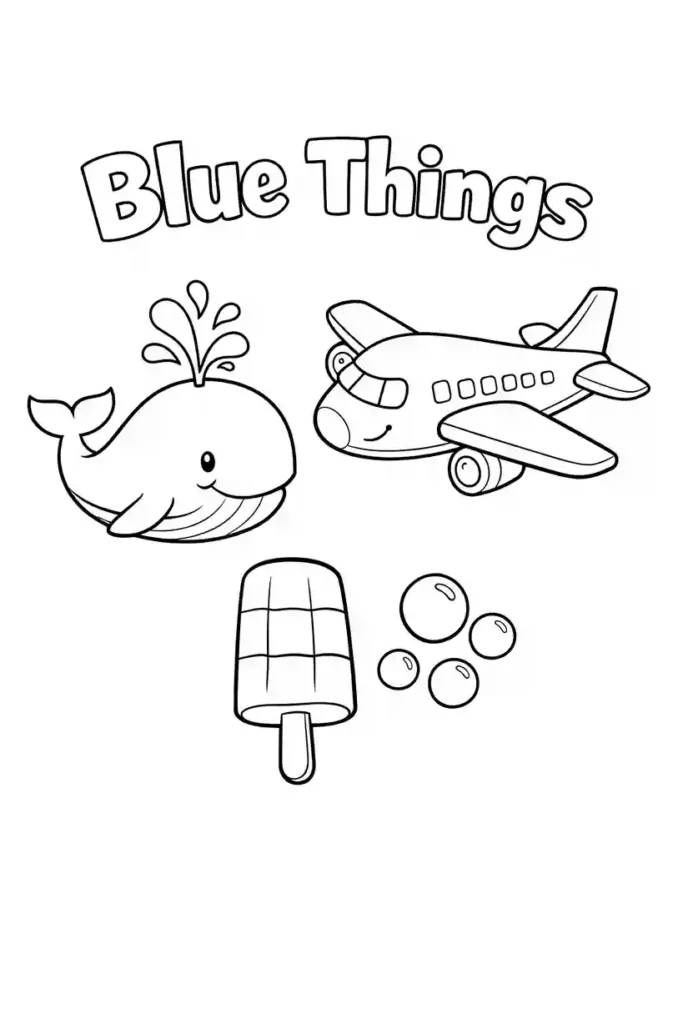

Sky, ocean, blueberries, dolphins, and more — a wide object vocabulary that makes “Blue Week” easy to fill with genuinely distinct images.
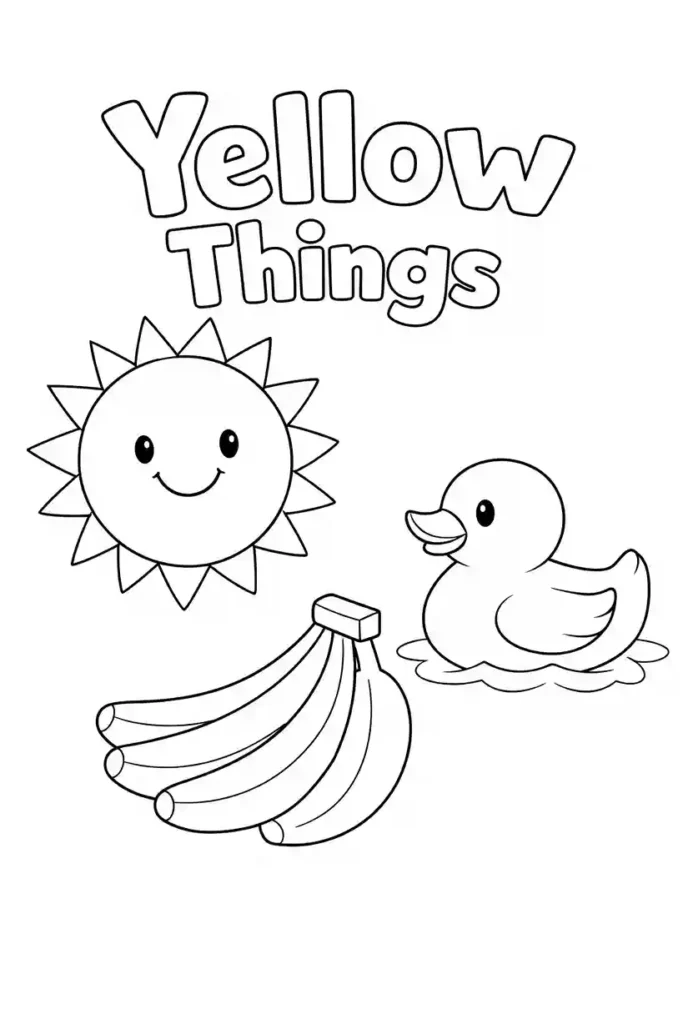
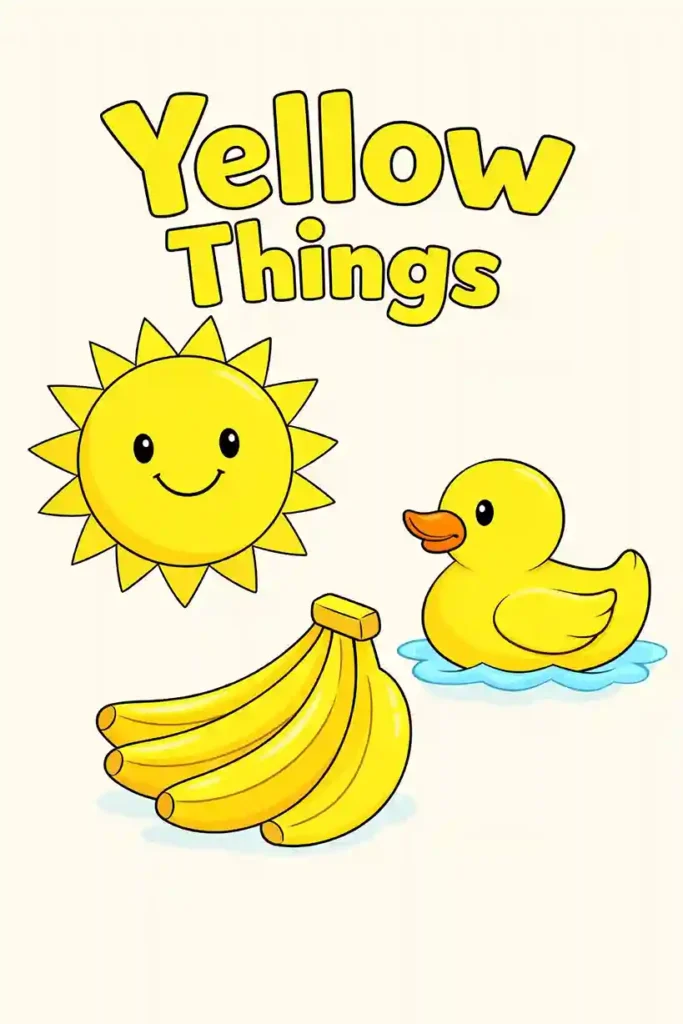
Sun, bananas, school buses, sunflowers — high-contrast images that work especially well for very young children just beginning to identify colors.
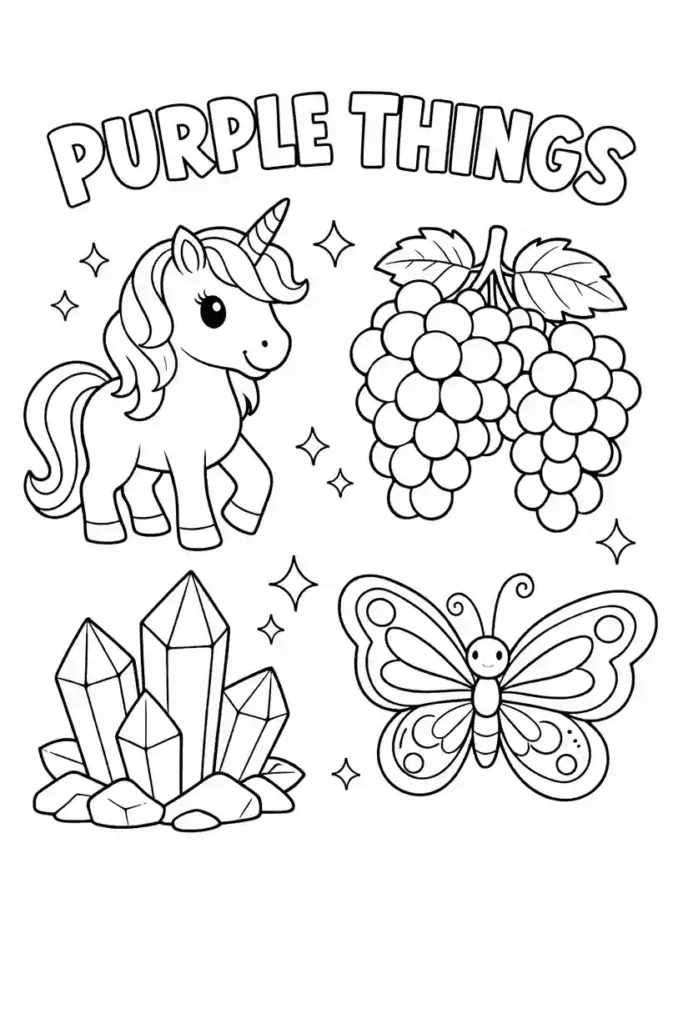
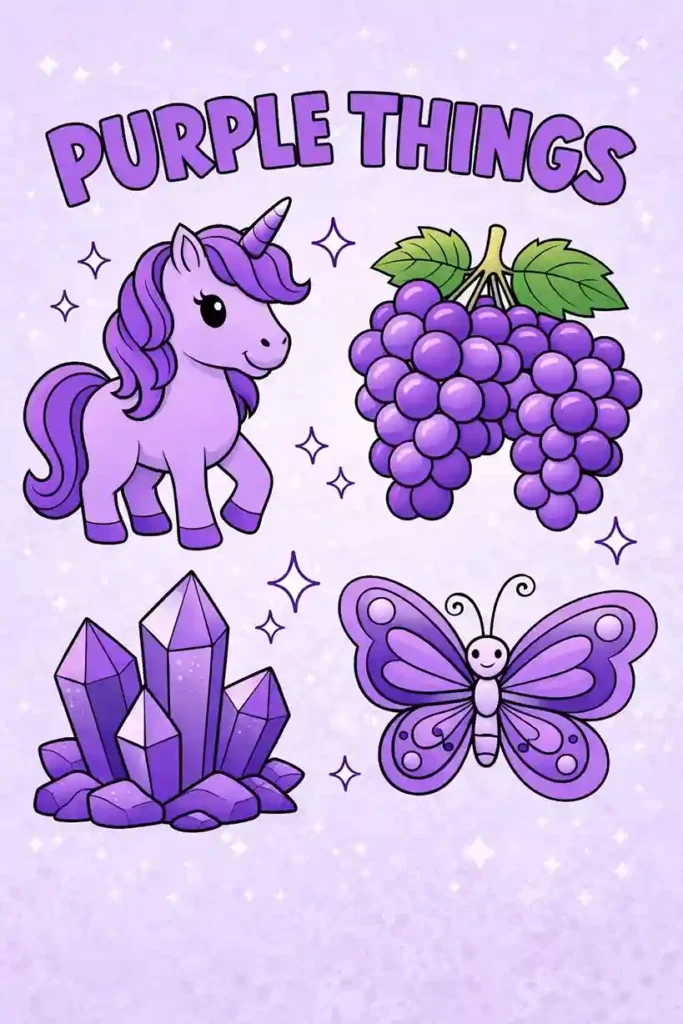
Lavender, grapes, eggplant, butterflies — a favorite with slightly older kids and a natural bridge into color mixing conversations.
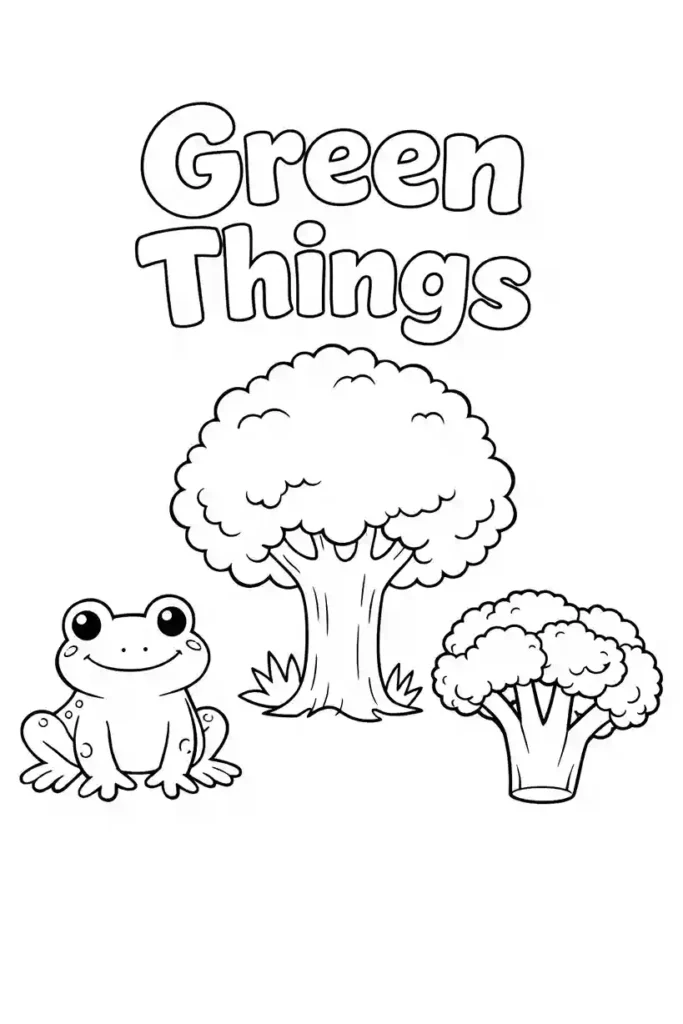
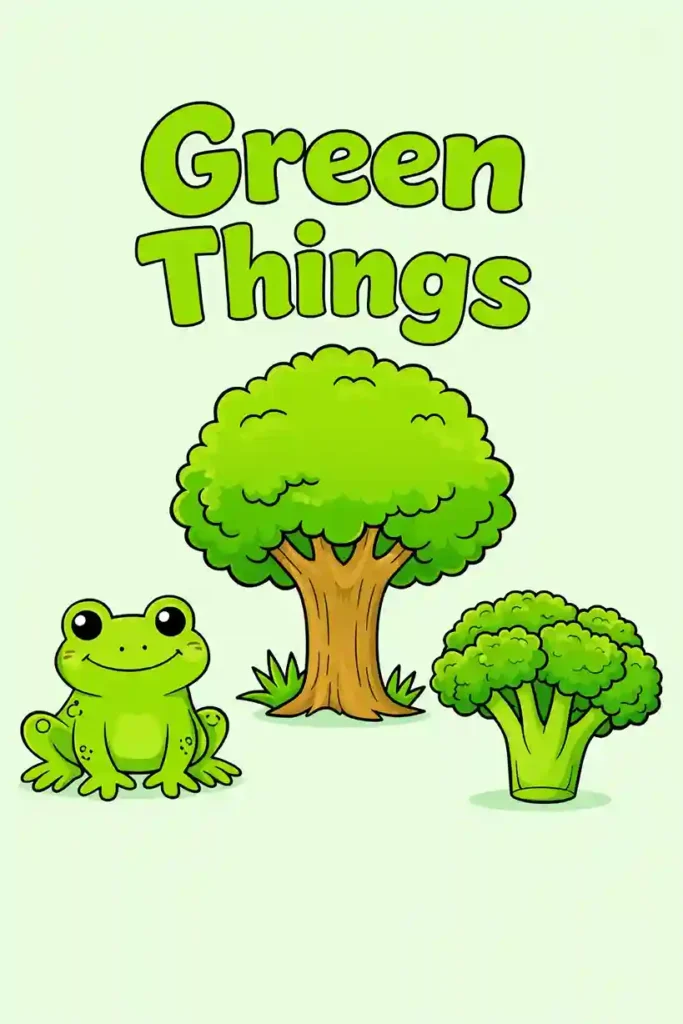
Frogs, trees, broccoli, turtles — naturally bridges color learning with nature themes, and a popular pick for spring classroom units.
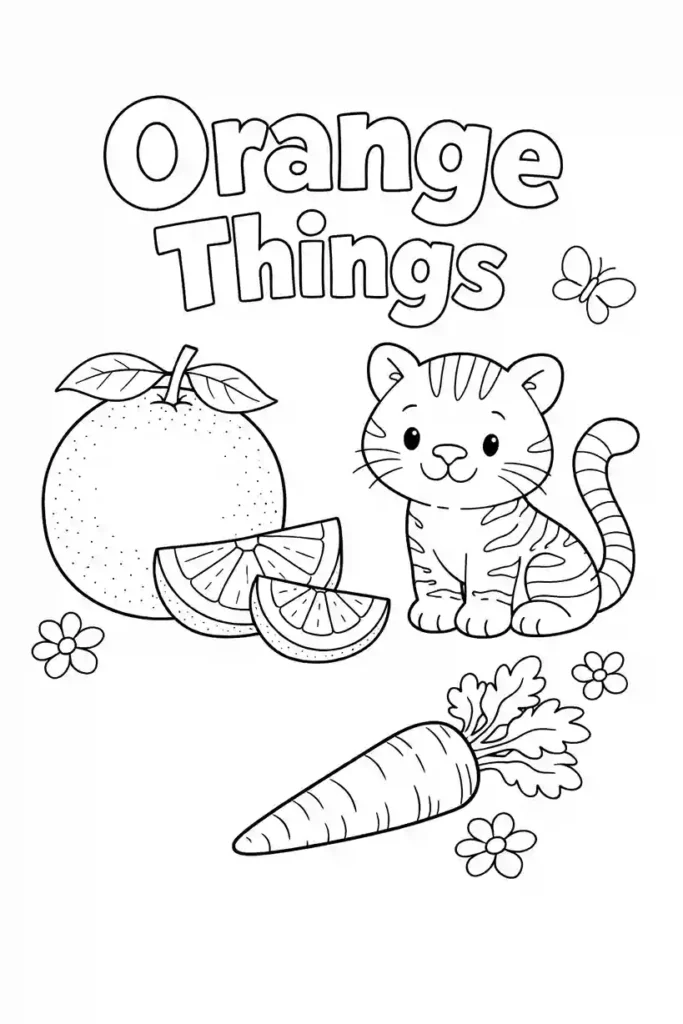
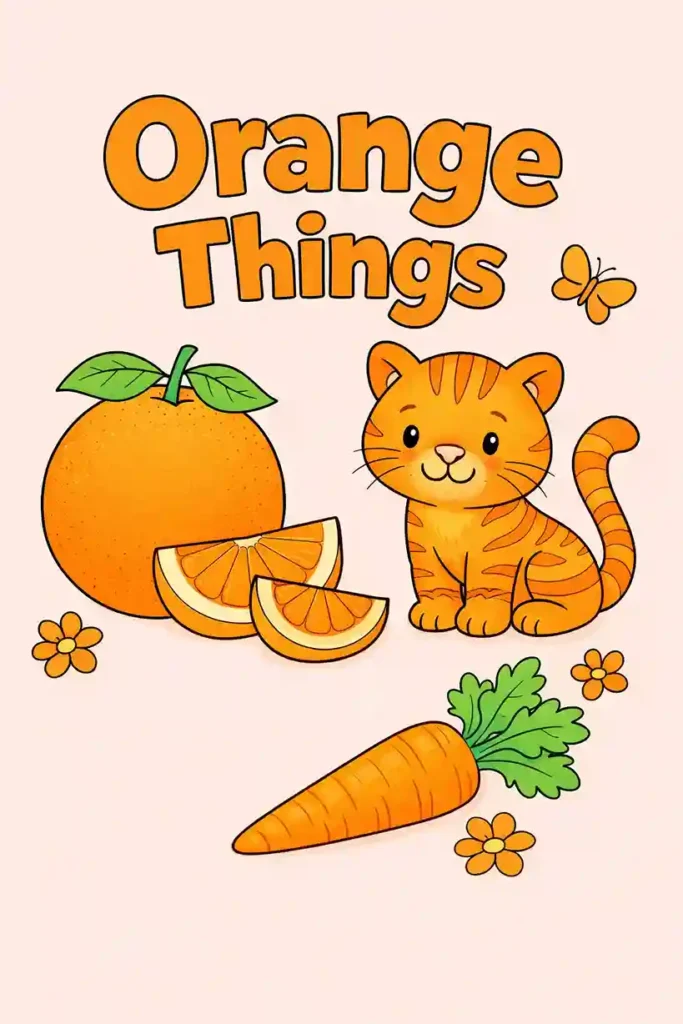
Pumpkins, oranges, tigers, autumn leaves — a strong seasonal crossover that works equally well for fall-themed weeks and pure color reinforcement.
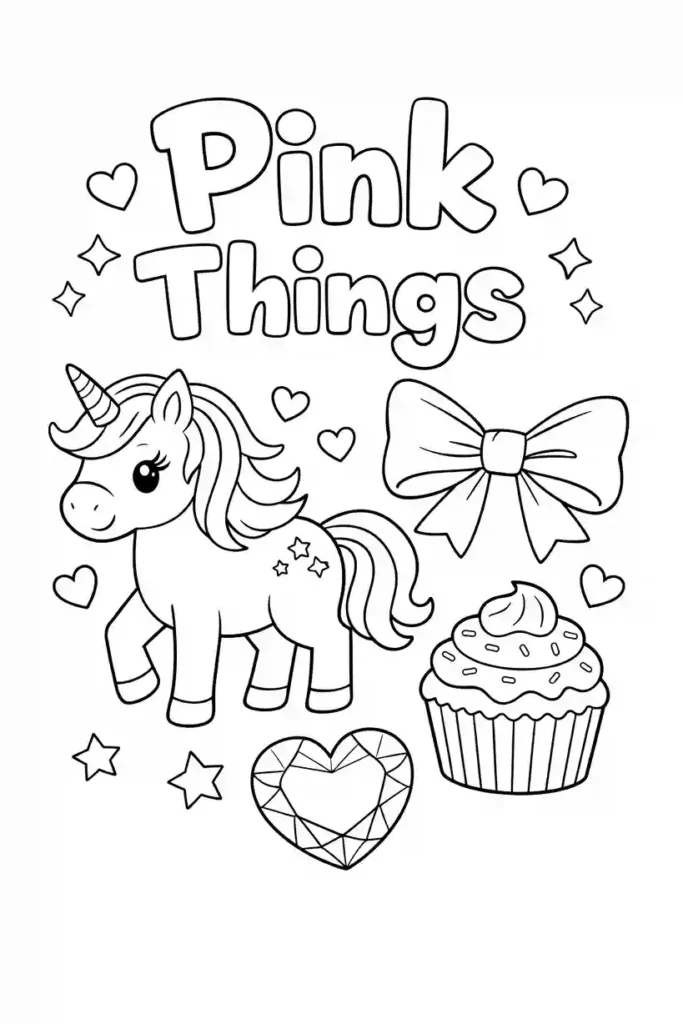
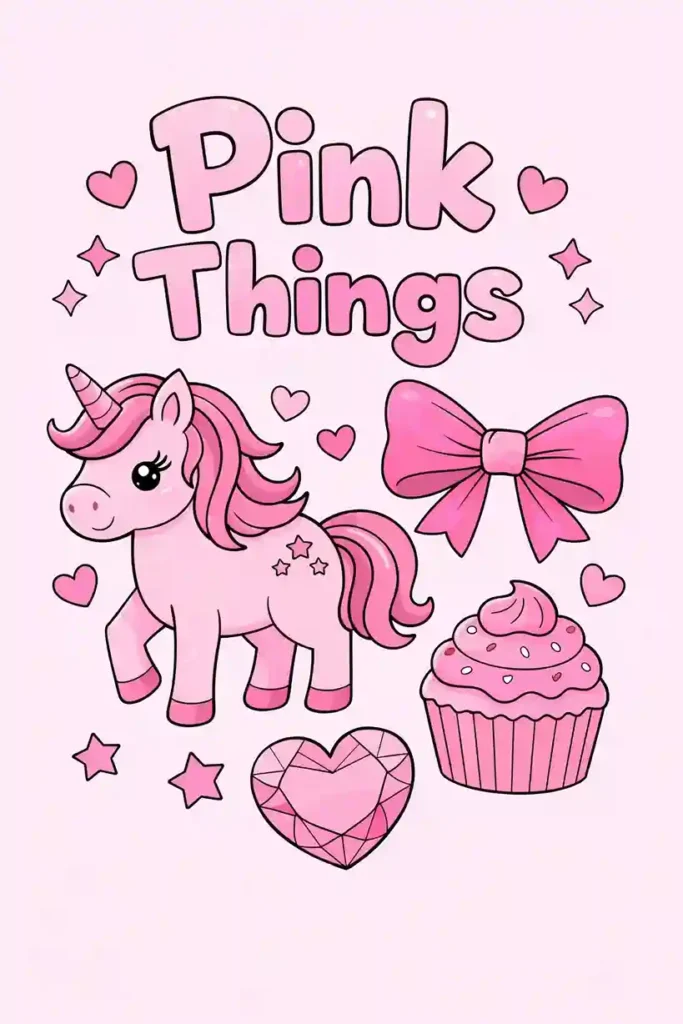
Flamingos, pigs, flowers, candy — particularly popular with younger children and pairs well with red pages for a “shades of red” mini-unit.
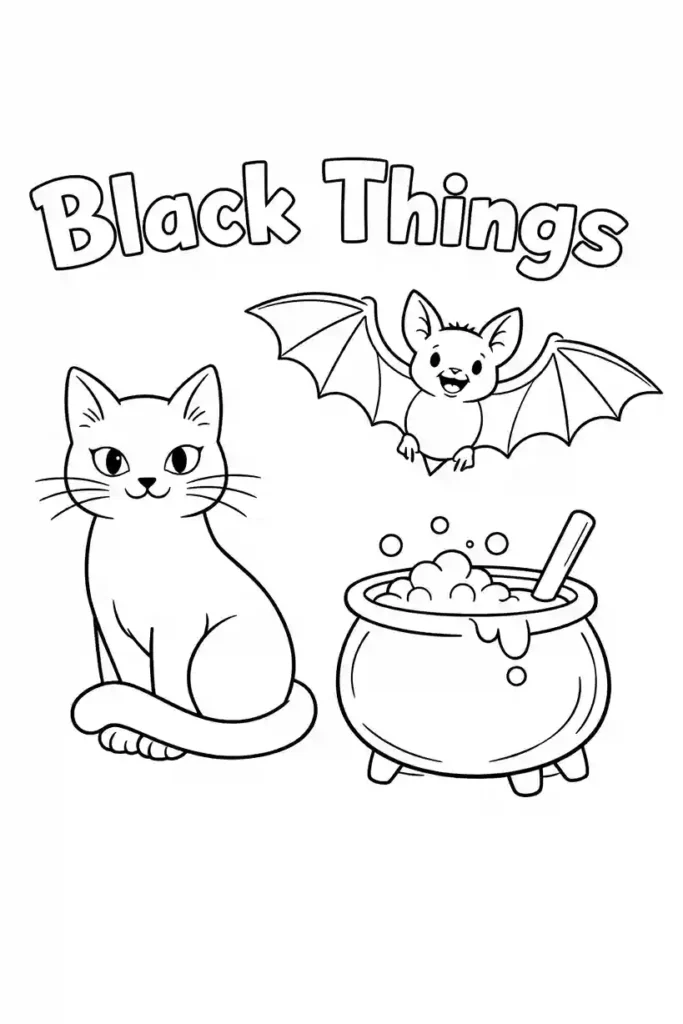
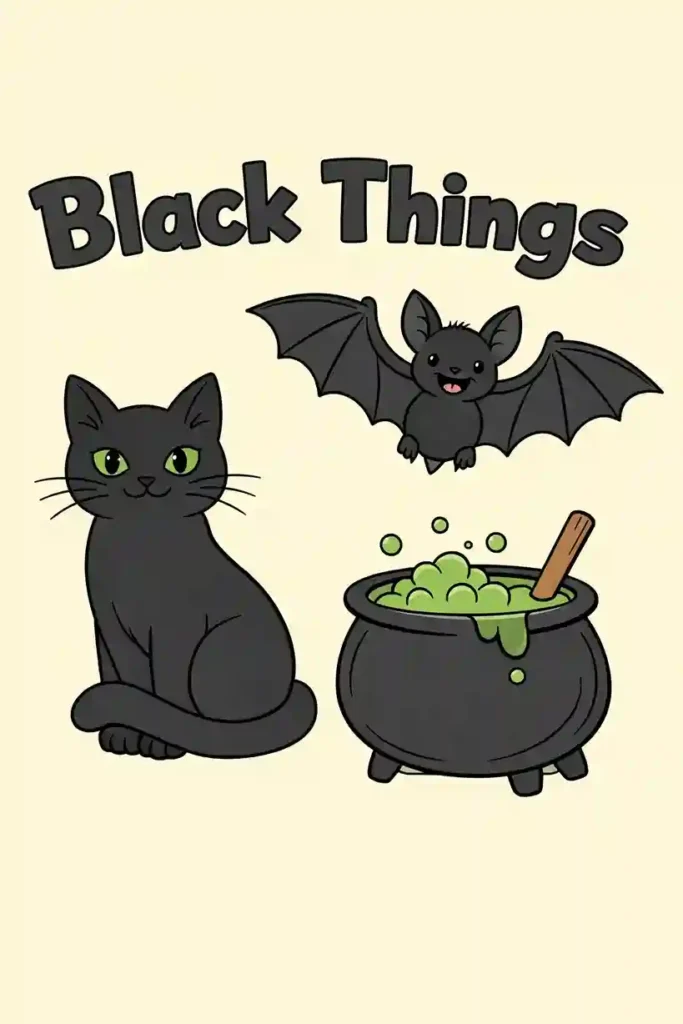
Penguins, cats, tires, orcas — strong contrast makes these visually striking and doubles as an introduction to dark colors and shadow concepts.
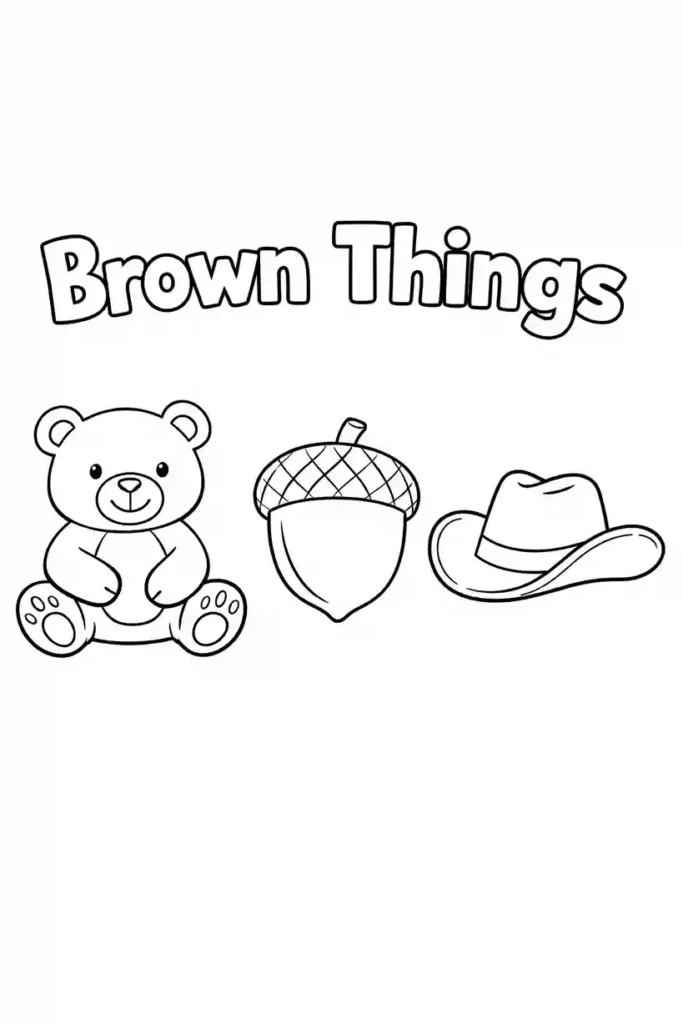
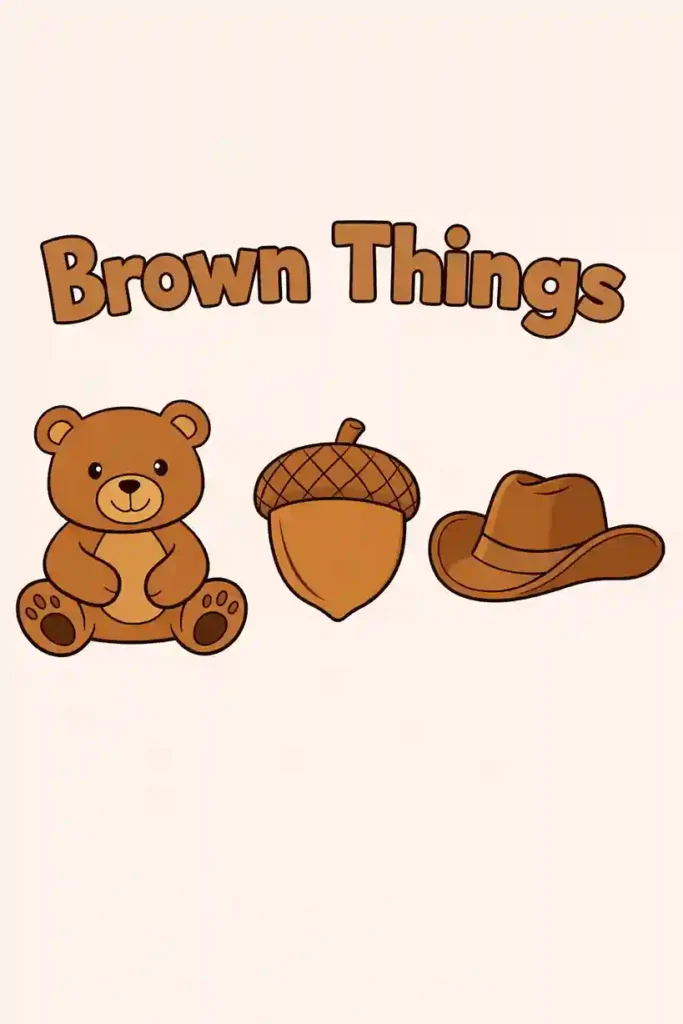
Bears, acorns, chocolate, tree trunks — an often-overlooked color that gets dedicated reinforcement here, useful for introducing earth tones to children ages 5–8.
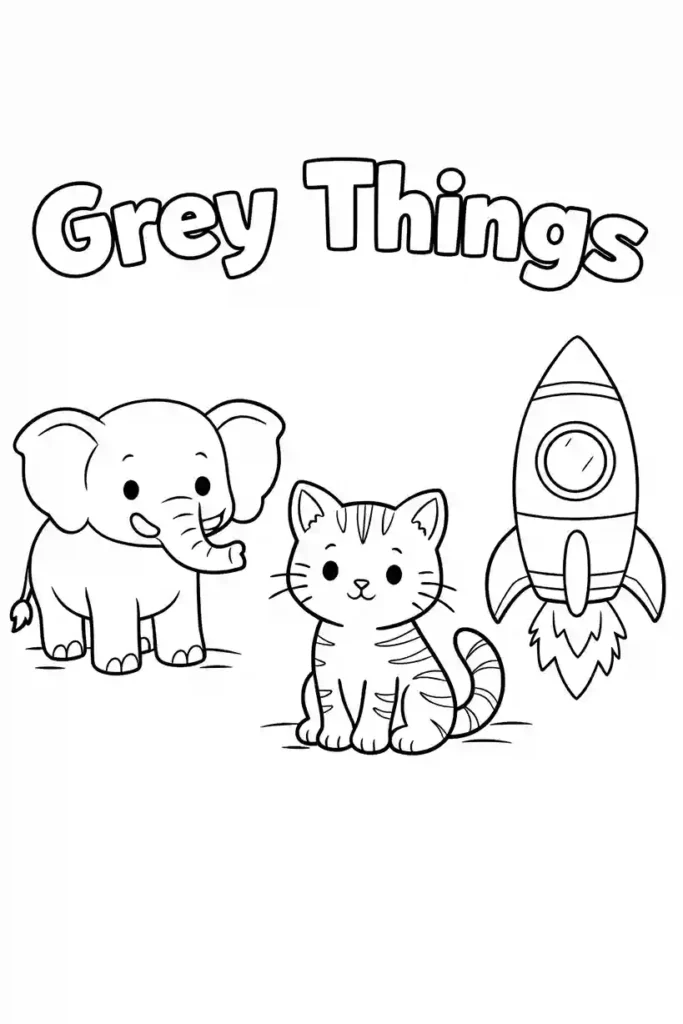

Elephants, rocks, storm clouds, wolves — pairs naturally with black and white pages for a complete neutral colors mini-unit.
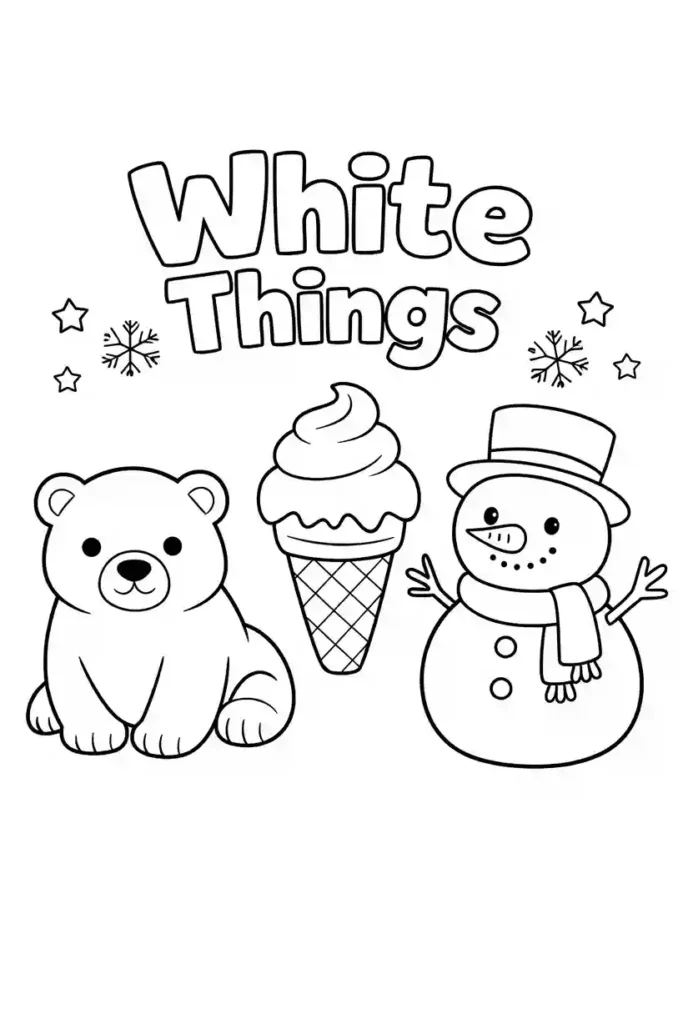
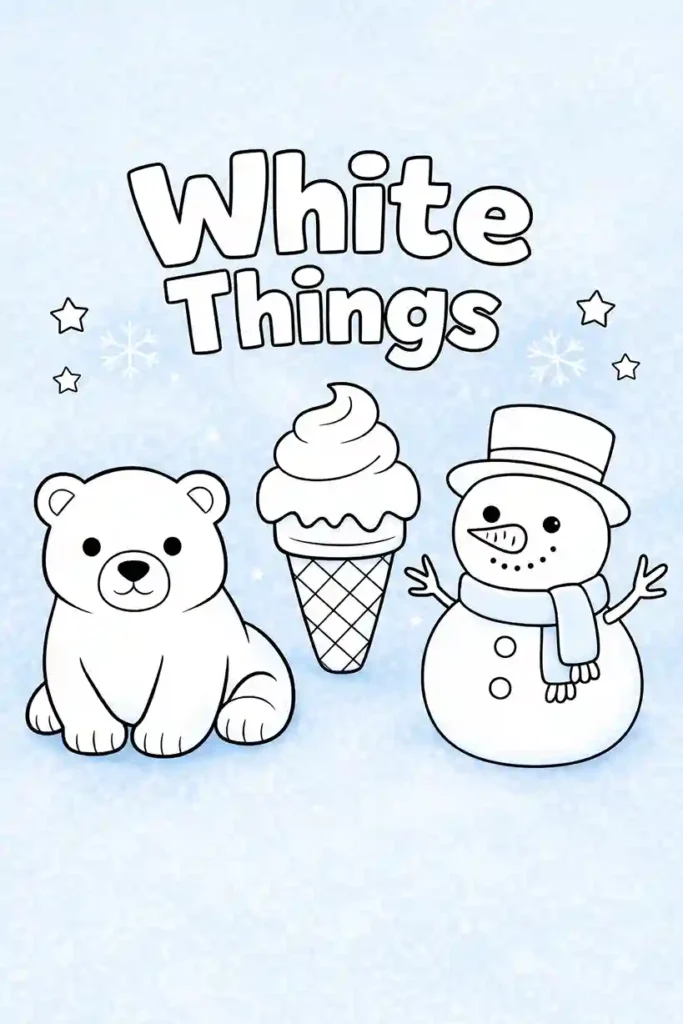
Polar bears, clouds, snow, swans — a uniquely creative challenge that encourages children to think about outline and background rather than fill.
The collection is growing to cover every color a child encounters — including rainbow and multicolor pages currently in development. New pages are added regularly, so bookmarking this hub ensures you always find what’s newest.
What’s in the Learning Colors Coloring Pages Collection?
The collection is built around one principle: one color per page, every time. Rather than mixing colors in a single sheet, each sub-page isolates a single color and fills it with familiar objects — things a child already knows and can name. Red gets apples, fire trucks, and roses. Blue gets the sky, the ocean, and blueberries. That structure is deliberate: children who can already see a color but can’t yet name it need repeated, focused exposure to one color word at a time, not a rainbow of competing inputs. The pages are organized into three logical groups — primary colors (red, blue, yellow), secondary and mixed colors (green, orange, purple, pink), and neutrals (brown, black, white, grey) — which mirrors the sequence most early childhood curricula actually follow.
Parents of toddlers ages 2–4 will find the primary color pages most immediately useful. Teachers running color-week units — a common preschool and kindergarten structure — can build an 11-week learning sequence from this hub alone, pulling one color page set per week. Each sub-page carries enough distinct object images to fill a full week of activities without repetition.
Why Color-Specific Pages Work Better Than Rainbow Sheets
A generic rainbow coloring page shows six colors at once. No single color gets more than a stripe. That’s fine as art — but it’s weak as instruction. A child who doesn’t yet know “purple” won’t learn it from a one-inch band on a spectrum. Color-specific pages solve this by giving an entire page to one color: eight to ten objects, all the same color, all familiar. The repetition is the lesson.
Each color sub-page here is also built around object vocabulary that’s genuinely rich. “Blue things” alone spans sky, ocean, blueberries, police cars, bluebirds, and sapphires — there’s no shortage of distinct images to draw from. That depth means a teacher running a “Blue Week” gets variety across five days without printing the same image twice.
For homeschool parents building a color recognition unit, the primary-to-secondary-to-neutral structure means there’s a logical sequence ready to follow. Start with red, blue, and yellow. Move to green, orange, and purple. Finish with the neutrals. That’s a full color curriculum, not a coloring dump.
Frequently Asked Questions (FAQs)
How do coloring pages help children learn colors?
Coloring pages help children learn colors by pairing the color word with familiar objects — a red apple, a blue sky — while the physical act of coloring reinforces the connection. Color-specific pages that show only one color at a time are more effective than mixed sheets because children can focus on a single color long enough for it to stick. Research in early language development consistently shows that the gap between seeing a color and naming it closes faster with repeated, focused exposure to one color word at a time. These learning colors coloring pages are built around exactly that principle.
What colors should I teach first to a toddler?
Start with red, blue, and yellow — the primary colors — because they appear most frequently in a young child’s environment and in the books, toys, and foods they already know. Most child development frameworks expect consistent color identification to be in place by age 3–4, and the primaries are the foundation. Once those three are solid, green, orange, and purple follow naturally as secondary colors that a child can start to understand as combinations. The sub-pages here are organized in exactly that order: primaries first, secondaries second, neutrals last.
What age should kids be able to identify colors?
Most children can reliably identify and name basic colors by age 3 to 4, though recognizing colors visually often happens earlier — sometimes as young as 18 months. The gap between seeing a color and naming it is well documented in language development research, and it’s one reason color-specific coloring pages are a useful tool during that window. If a child can point to “the red one” but can’t yet say “red,” pages that pair the color word with familiar red objects help build that verbal label. Every child develops at their own pace; the pages here work across a wide range — from toddlers learning their first colors to early elementary kids reinforcing what they know.
Are there coloring pages that show only one color at a time?
Yes — that’s the entire structure of this collection. Every sub-page here is dedicated to a single color and features only objects of that color, so a child printing the blue page sees blue things exclusively: sky, ocean, blueberries, dolphins. There are no mixed-color sheets in this hub. You’ll find dedicated pages for all major colors — red, blue, yellow, green, orange, purple, pink, brown, black, white, and grey — with rainbow and multicolor pages in development. Each page is free to print with no signup required.
Color learning often pairs naturally with other recognizable categories — pairing a red page alongside our animal coloring pages featuring red creatures (cardinals, ladybugs, red pandas) gives a child two reinforcing contexts in one session. If you’re building a broader curriculum, our fruit and vegetable coloring pages complement the color pages directly, since produce is one of the richest real-world sources of color variety for young children.